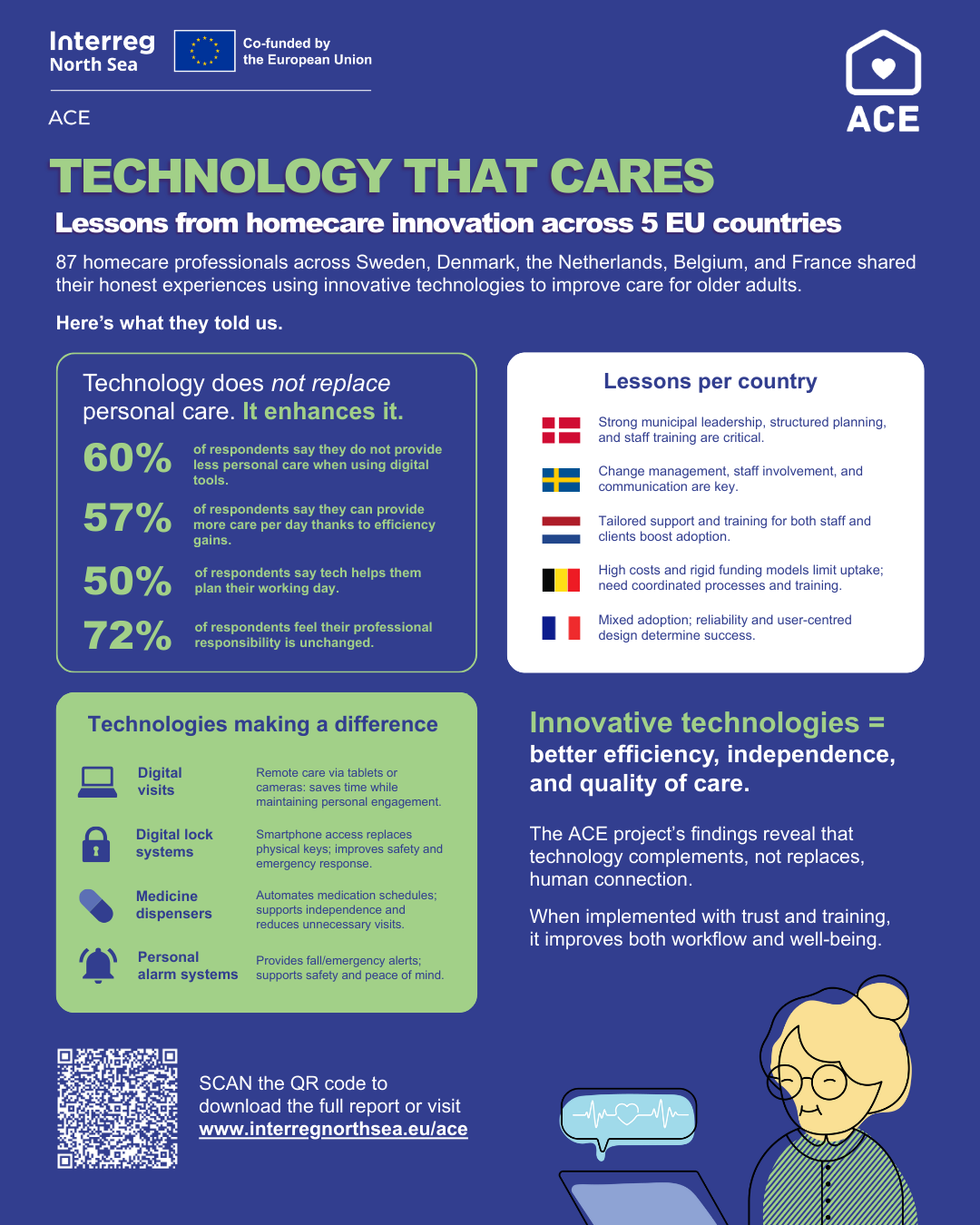
Frontline homecare workers, managers, and technology specialists from Sweden, Denmark, the Netherlands, Belgium, and France shared their honest experiences using innovative technologies to transform care for older adults. These insights, gathered by the ACE partners, reveal what works, what challenges remain, and practical lessons for improving services.
The ACE approach
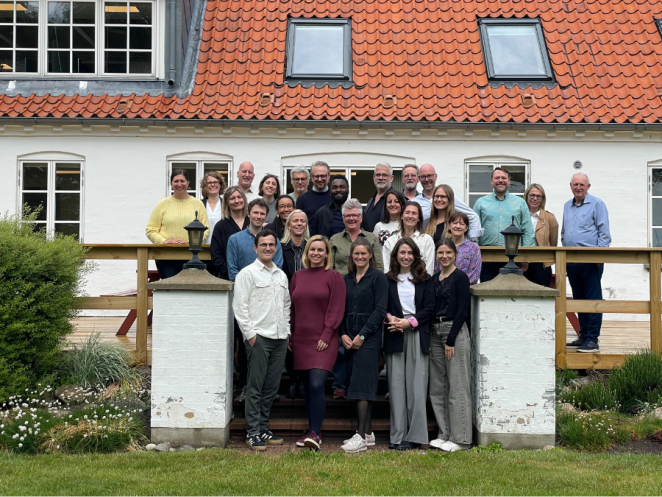
The ACE project brings together partners across the North Sea Region to accelerate the adoption of innovative, people-centred homecare solutions. ACE connects solution providers with care services, pilots technologies, and supports scaling solutions that enable safer, more independent living.
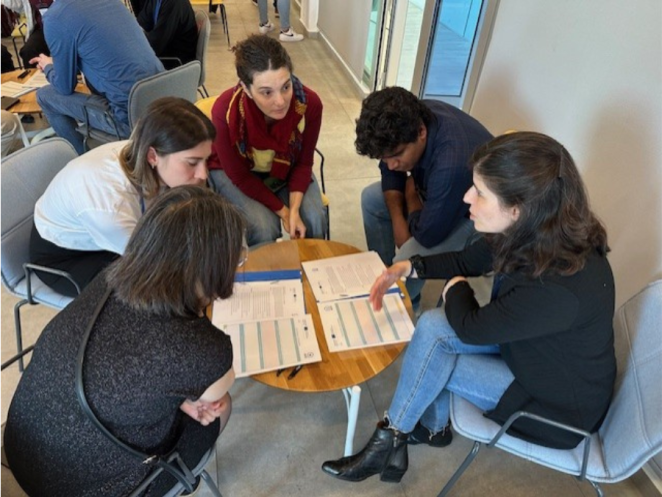
Through an online questionnaire, ACE gathered insights from 87 respondents on the technologies used by care providers, their impact on workflows, and barriers to adoption. Conducted in national languages and translated into English, the survey captured perspectives from both frontline staff and management, offering a comprehensive view across five countries.
Who responded?
Roles: About half frontline care staff, the rest in management, administration, or technology consultancy.
Organisation size: Over half from large organisations (250+ employees), around a quarter from small organisations.
Organisation type: 60% municipalities, 16% private providers, 7% non-profits, 5% public hospitals, 5% foundations or other healthcare organisations.
Sweden and Denmark had easier access to respondents due to municipal employment structures, while recruitment in other countries required more outreach, reflecting broader differences in care systems across the region.
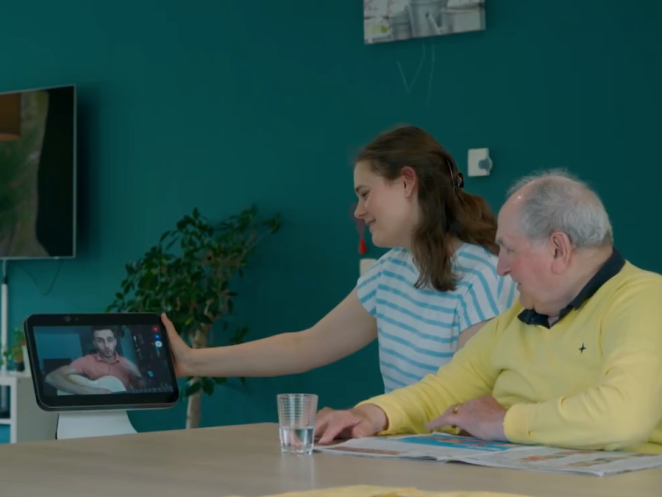
One of the most striking findings is that 60% of care staff report they do not provide less personal care despite using digital tools. Screen visits, digital locks, and medicine dispensers allow staff to maintain, and sometimes even enhance, the quality of personalised care.
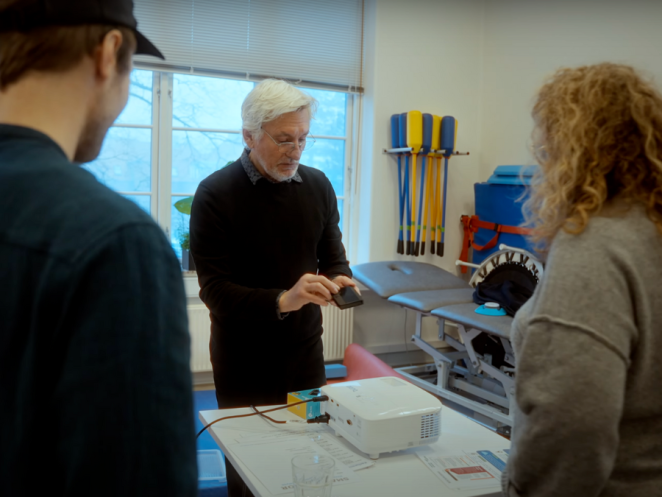
Key technologies making a difference in daily homecare
Virtual or digital visits (Denmark, Sweden, Netherlands): Tablets or cameras enable remote check-ins, allowing care staff to monitor and support citizens efficiently while maintaining personal engagement.
Digital lock systems (Denmark, Sweden): Smartphone-based access replaces physical keys, saving time, reducing administrative work, and improving emergency access
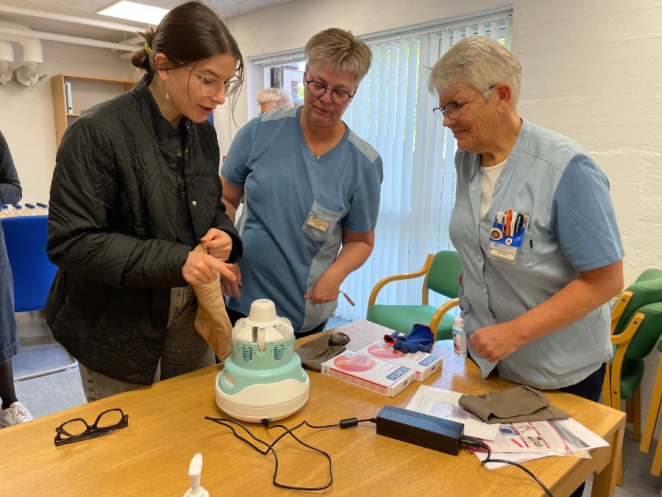
Medicine dispensers (Denmark, Sweden, Netherlands): Automated dispensers ensure timely medication, reduce unnecessary visits, and support independent living.
Personal alarm systems (Belgium, France, Sweden): Alerts for falls or emergencies enhance safety and peace of mind both inside and outside the home.
Digital care enhances, not replaces, personal care
One of the most striking findings is that 60% of care staff report they do not provide less personal care despite using digital tools. Screen visits, digital locks, and medicine dispensers allow staff to maintain, and sometimes even enhance, the quality of personalised care.
Over 70% of respondents also say their professional responsibilities remain fully intact, while about half report that technology helps them plan their working day, reducing travel and freeing time for meaningful interactions.
This reframes personal care: it’s not always face-to-face. Technology can complement human attention, making care both more flexible and more effective.
Lessons from partner countries
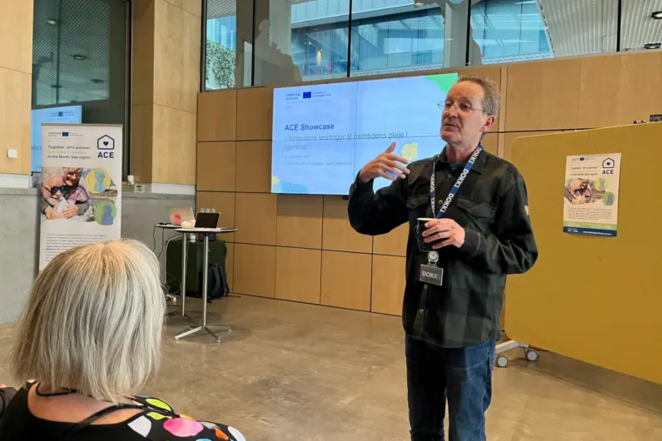
Denmark & Sweden: Municipal leadership, structured implementation plans, staff training, and engagement are key. Care technologies require time, resources, and careful change management to succeed.
The Netherlands: Tailored support, integration with existing workflows, alignment with client and family needs, and organisational backing determine adoption. Training older adults in using digital tools is also important.
Belgium: High costs, complex funding structures, and reliance on municipal or organisational approval can limit adoption. Strong coordination, refresher training, and user involvement improve success.
France: Technology uptake is mixed; reliable, relevant, and user-centred solutions are accepted, while less effective tools are abandoned. Cost and technical reliability remain barriers, especially for older populations.
For a full breakdown of lessons per country, read our report.
Overcoming adoption barriers and the road ahead
While cost, administrative complexity, and local funding models remain obstacles, successful adoption depends on early staff engagement, training, clear roles, and reliable, user-friendly technologies. The ACE findings show that when implemented thoughtfully, homecare technologies can enhance efficiency, independence, and care quality.
By sharing knowledge across borders, tailoring solutions to local contexts, and focusing on practical, people-centred tools, we can shape a smarter, more connected, and compassionate future for homecare across the North Sea Region.
Do you have a question for the ACE team? Contact us.