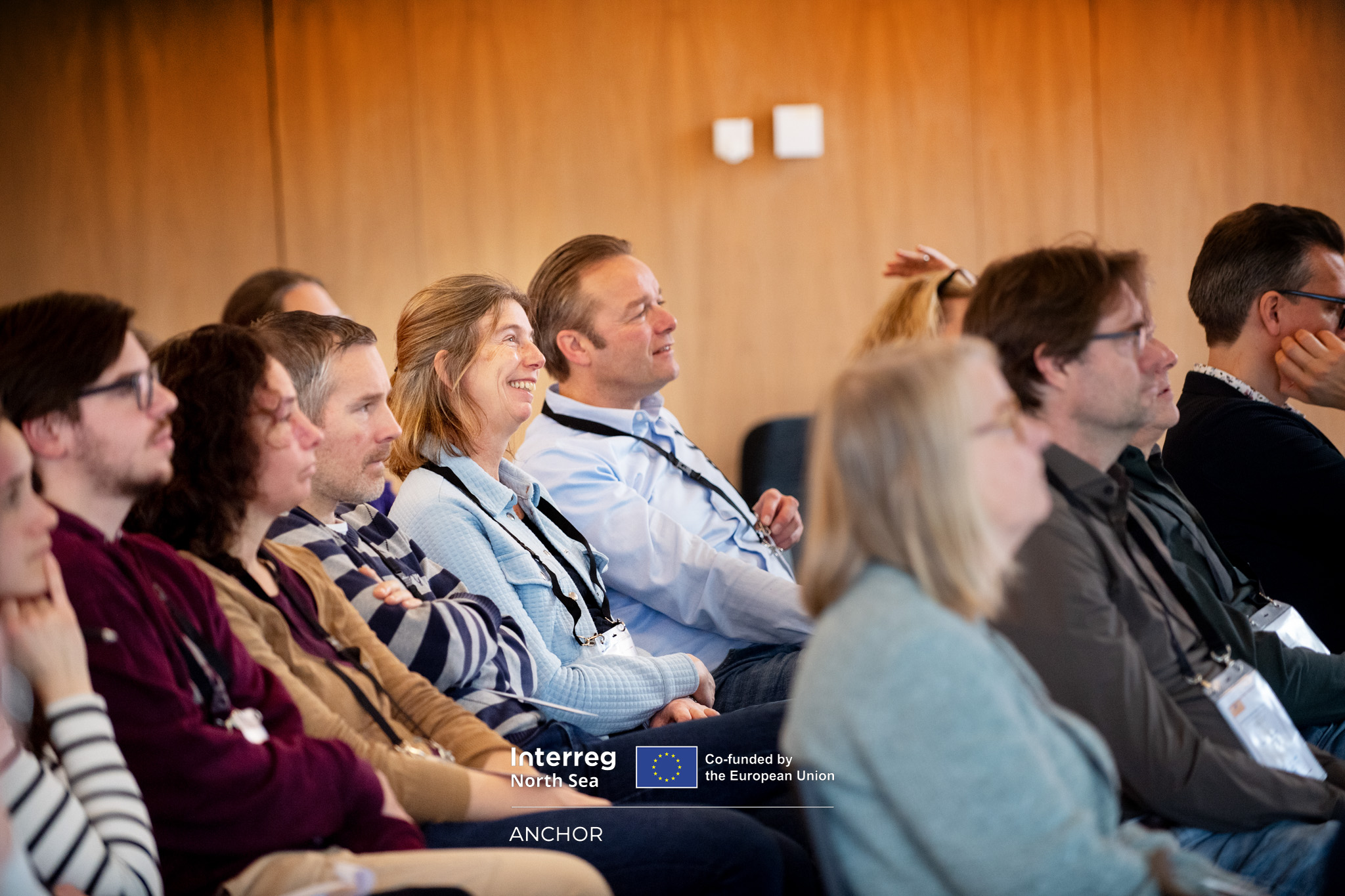
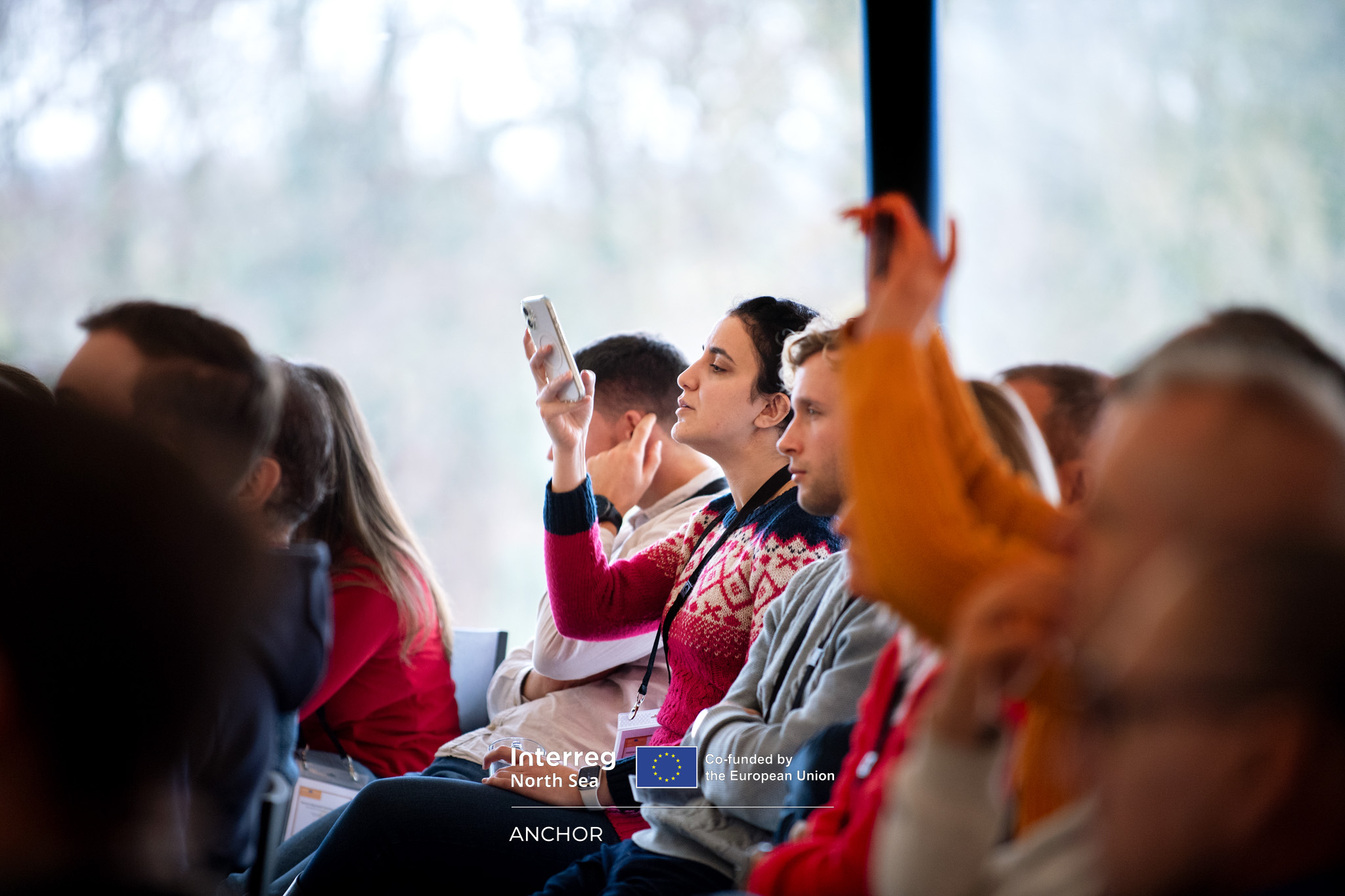
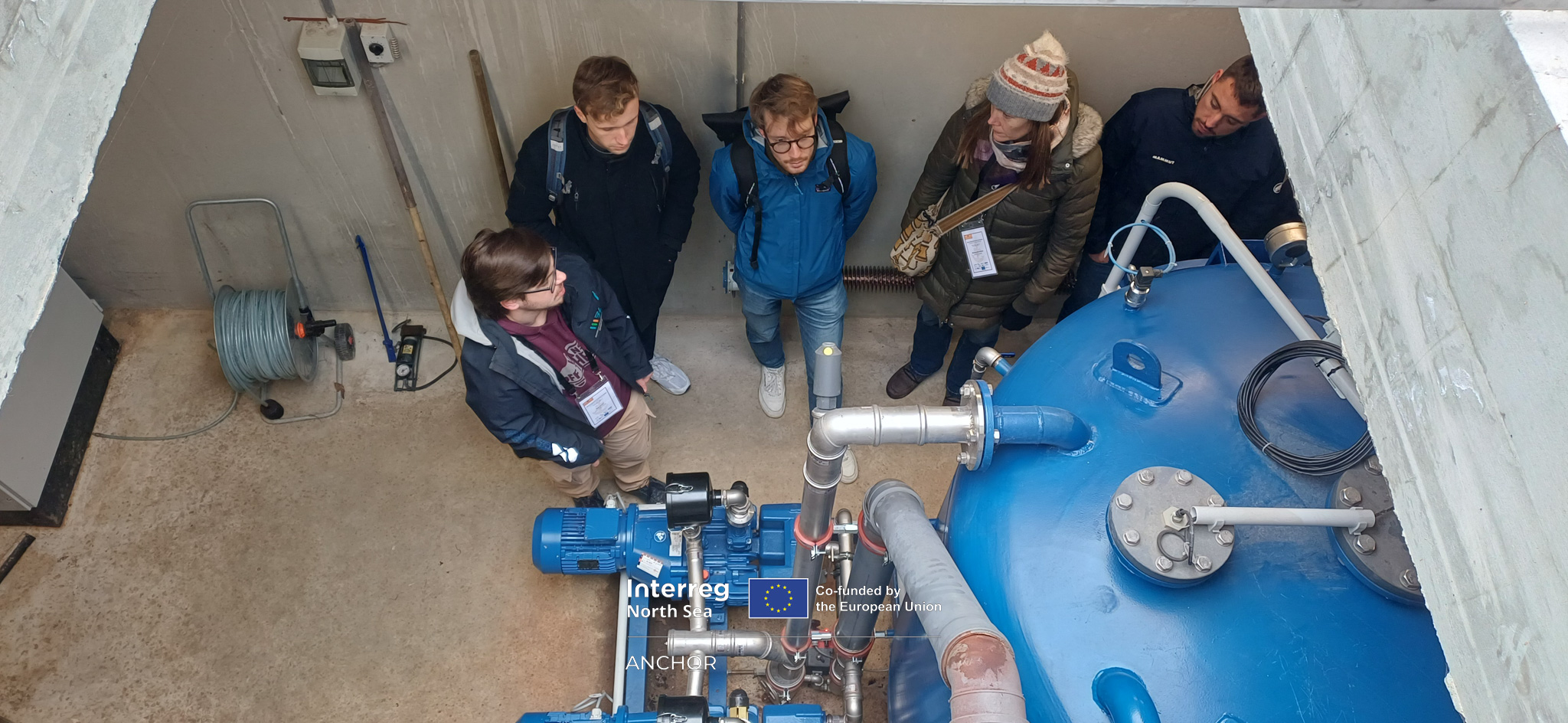
On Wednesday, November 26, the Discovery Museum in Kerkrade hosted the ANCHOR event Source-Separated Systems In Practice: Learning From The Superlocal Demo Site. Participants from Flanders, the Netherlands, Germany, and Sweden came together to exchange experiences on the real-life implementation of source-separated wastewater systems, using Superlocal as a long-running and tangible reference point.
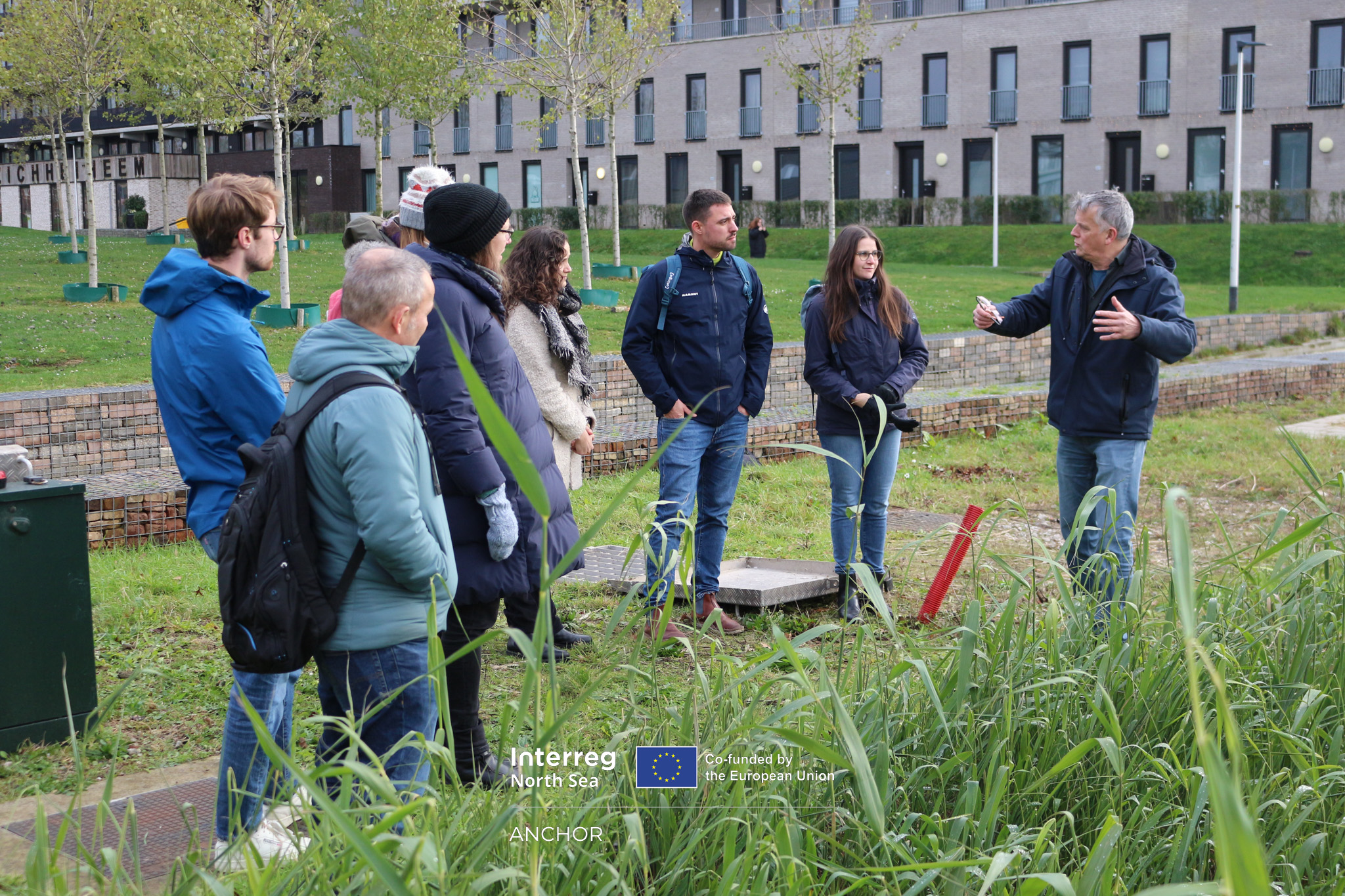
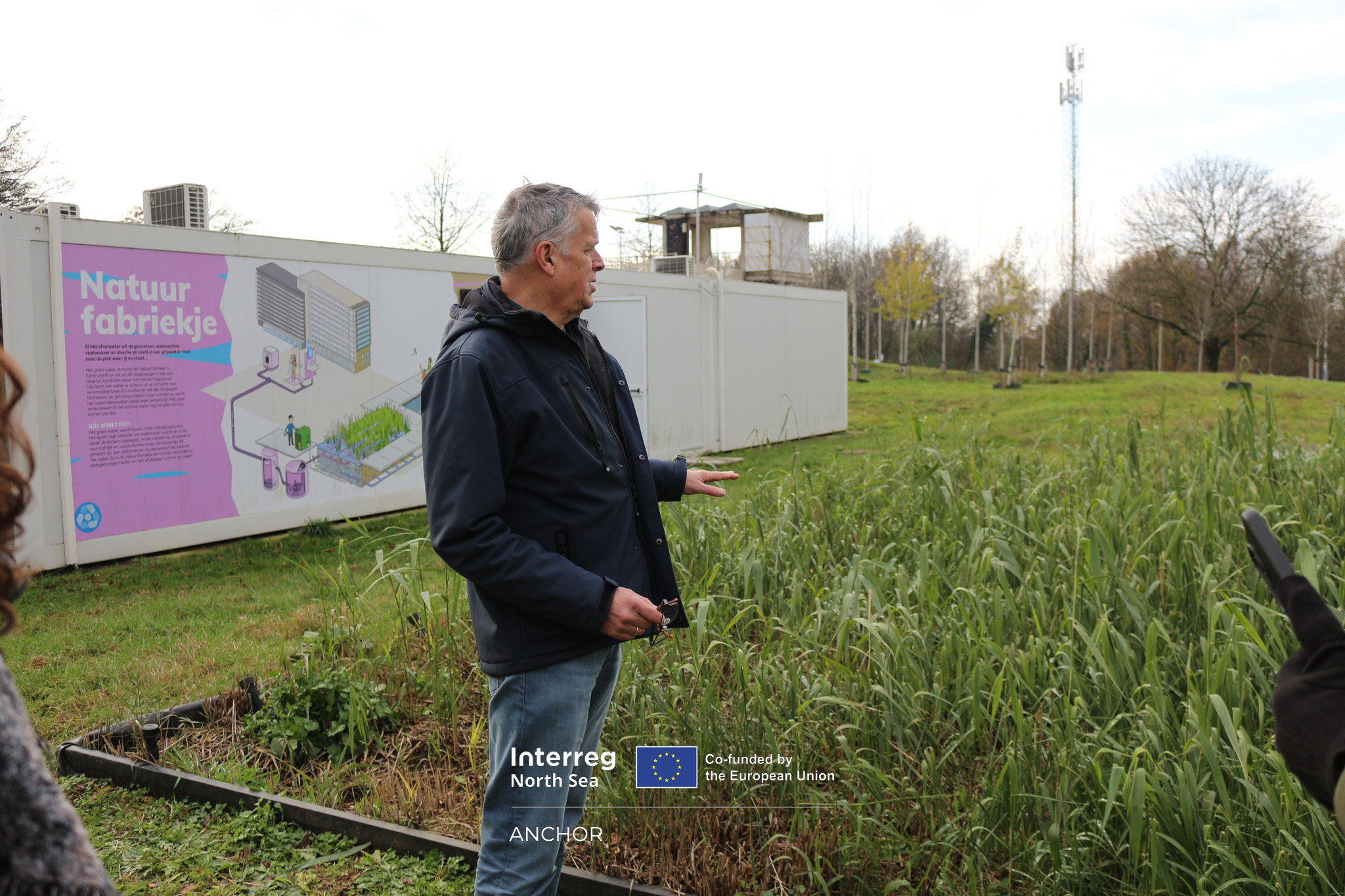
The day combined a symposium with discussion, followed by a guided visit to the Superlocal neighbourhood—both physically and digitally—highlighting how nearly a decade of experimentation has shaped an integrated approach to circular urban water management.
Nearly Ten Years Of Experience At Superlocal
The symposium was opened by Arnold Jansen, member of the Executive Board of Waterschap Limburg, who expressed pride in what has been achieved at Superlocal. He emphasized the importance of sharing experiences openly, critically reviewing results, and learning together across regions.
Ad de Man (Waterschap Limburg) and Geraldine Minten (WML) then reflected on almost ten years of Superlocal in practice. Superlocal is more than a technical demonstration of source separation: it is a neighbourhood where social well-being, learning-by-doing, and long-term commitment are central. One of the key messages was that such projects take time—often five to ten years from first idea to full realization—and require the right mix of competencies, motivation, and close collaboration with technology suppliers.
Residents play a crucial role in this process. Geraldine stressed that inhabitants are generally positive about the new technologies and should be treated as active participants in the experiment. Their engagement turns them into ambassadors for the system.
Questioning Assumptions About Water Quality
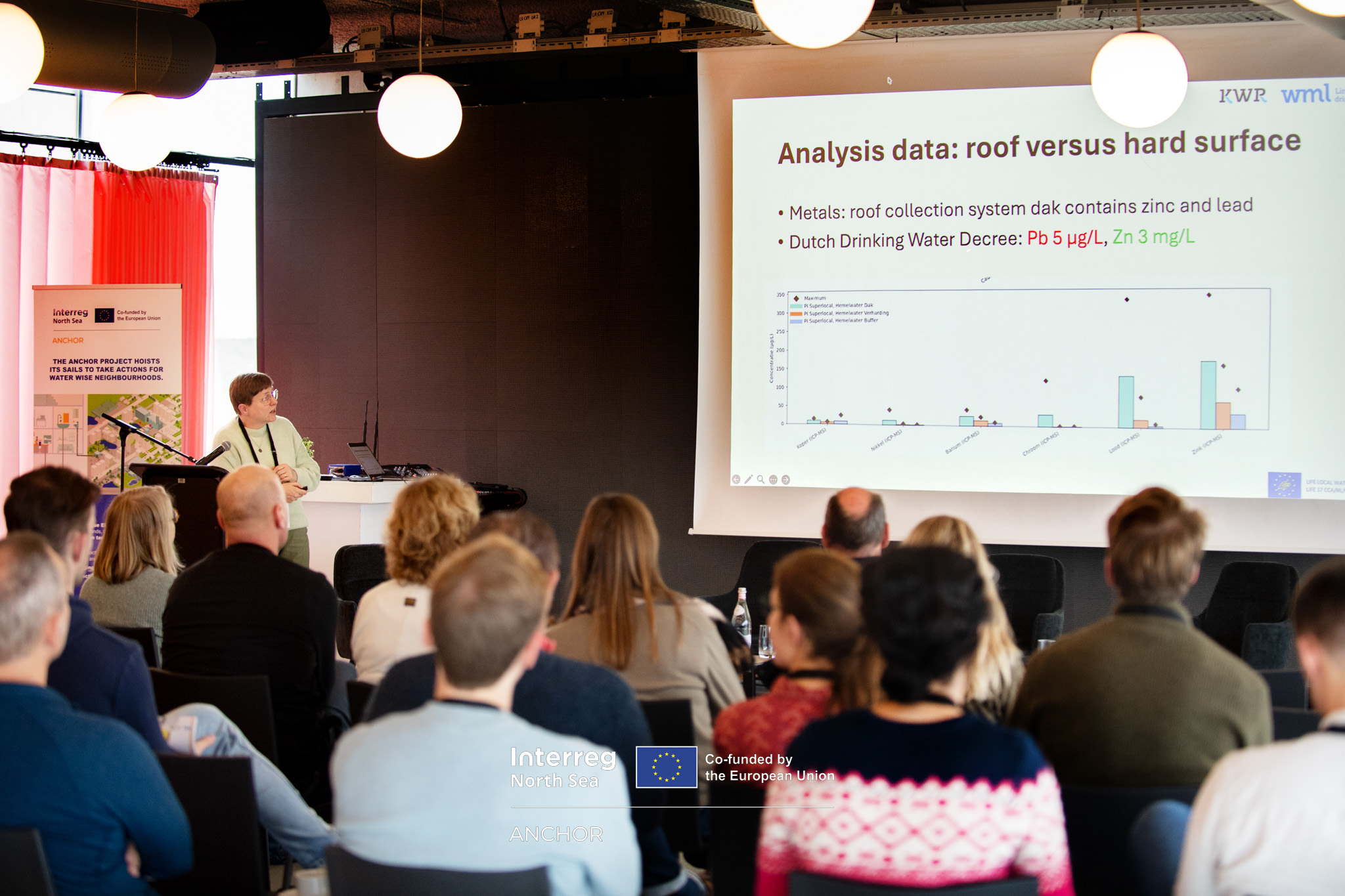
That innovation also requires critical reflection was illustrated by an intermezzo from Roberta Hofman (KWR Water Research), who addressed a seemingly simple question: Is rainwater healthy? The answer turned out to be nuanced. Analyses revealed the presence of pharmaceutical residues in rainwater samples, underlining that alternative water sources still require proper treatment and monitoring before reuse.
Exchanging Perspectives Across Demo Sites
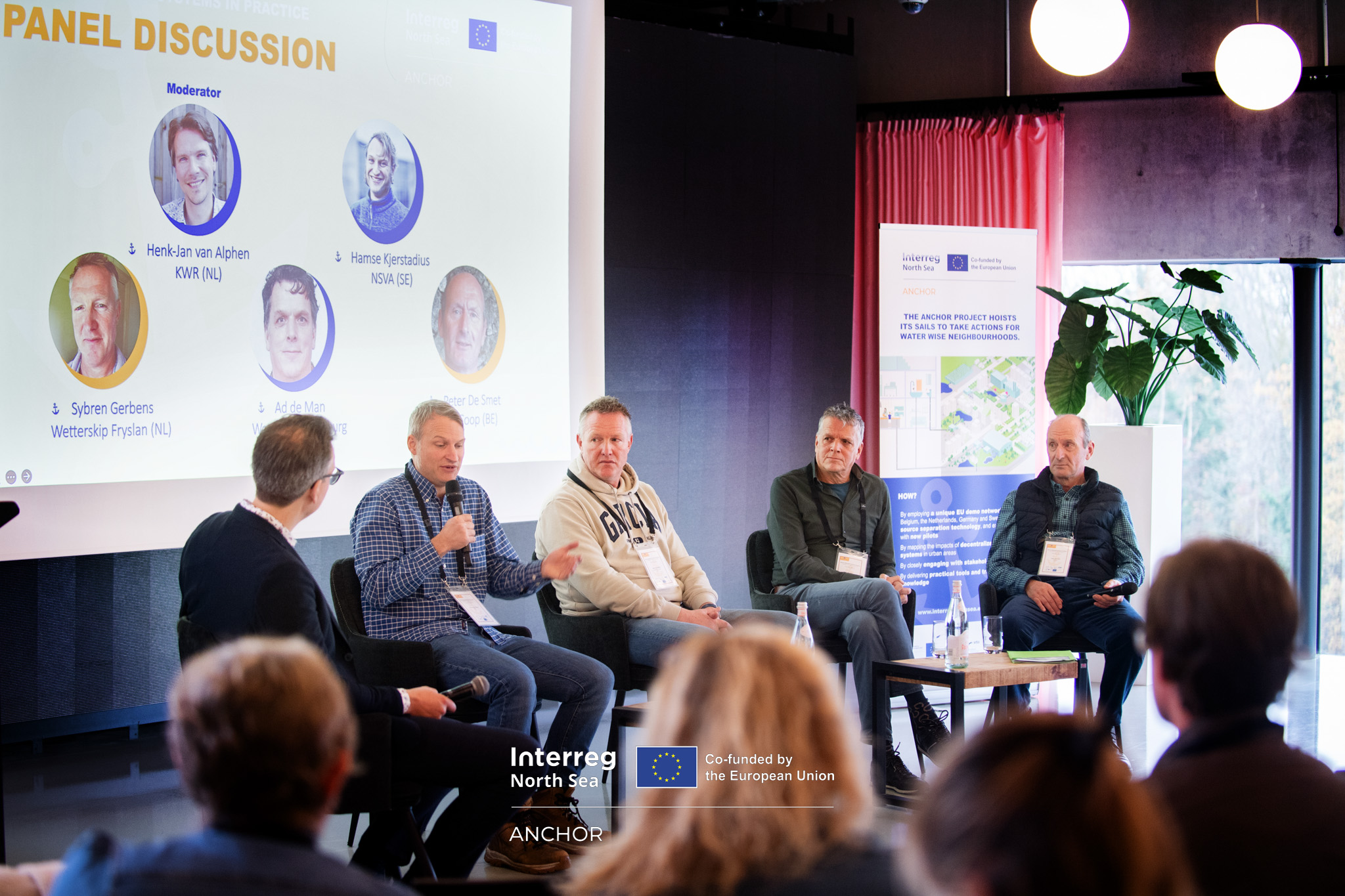
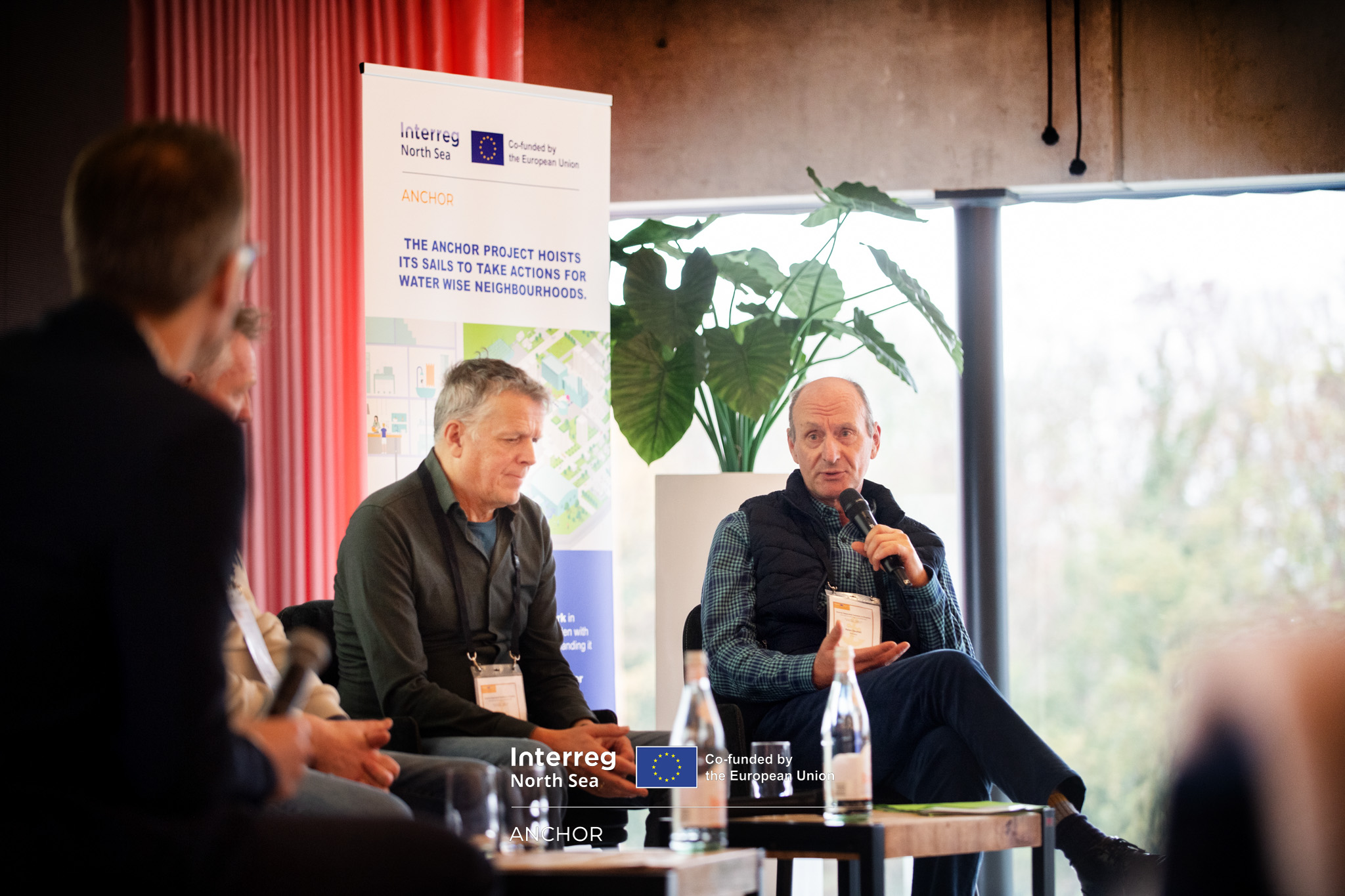
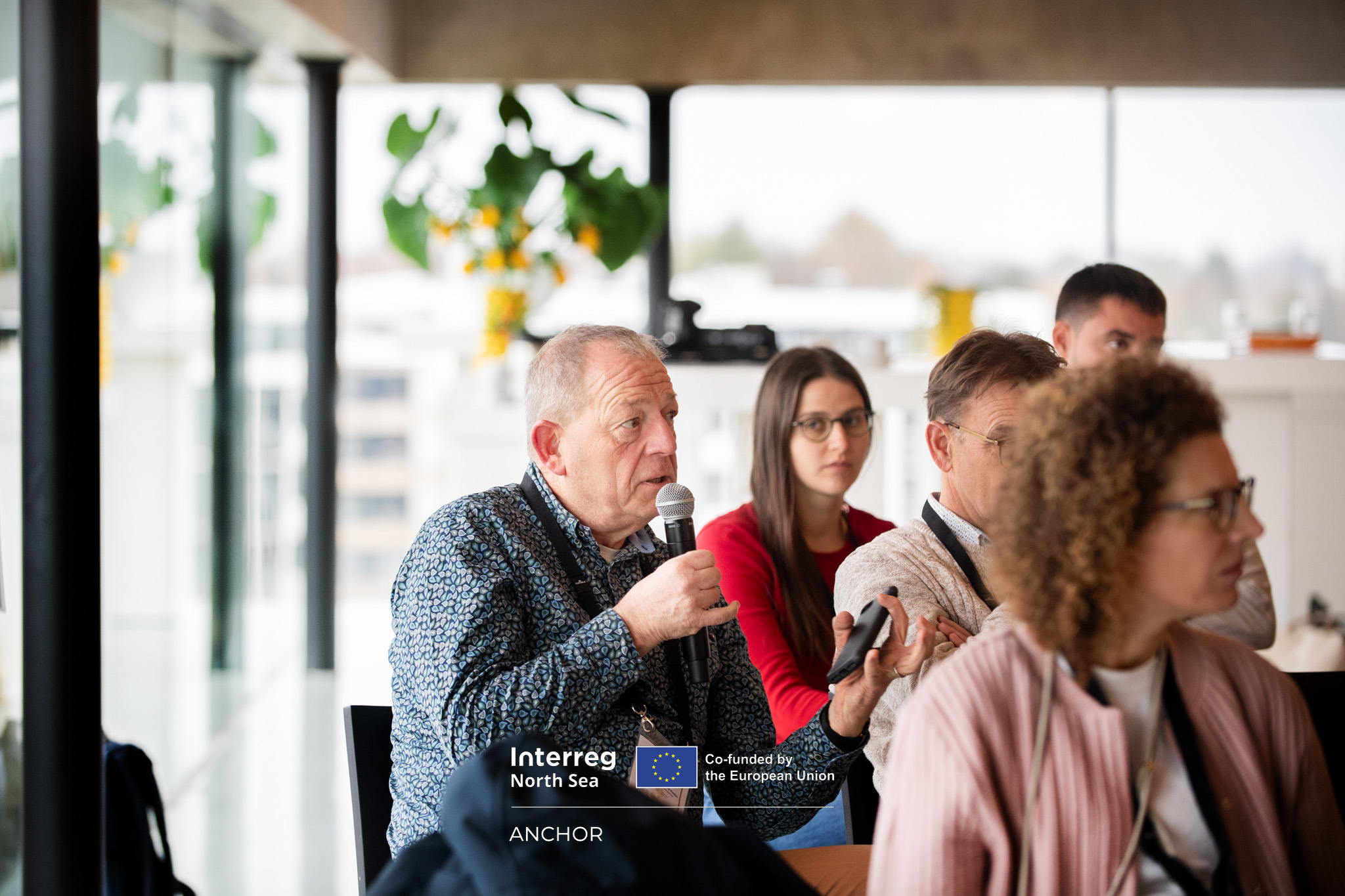
The morning concluded with a panel discussion moderated by Henk-Jan van Alphen (KWR), featuring Hamse Kjerstadius (NSVA), Peter De Smet (DuCoop), Ad de Man (Waterschap Limburg), and Sybren Gerbens (Wetterskip Fryslân). The panel explored motivations for applying source separation, ranging from saving drinking water and recovering resources to contributing to broader climate-neutral ambitions. In projects such as De Nieuwe Dokken, energy production and savings were also key drivers.
A recurring challenge discussed was maintaining engagement throughout long development trajectories. Experiences from Oceanhamnen showed that extensive dialogue in early phases is essential, while DuCoop highlighted cooperative investment models as a way to keep stakeholders involved. Across cases, the message was clear: communication needs to be more intensive than initially expected, supported by concrete showcases that make abstract concepts tangible.
Exploring Superlocal Through A 360° Virtual Tour
To support learning beyond the event itself, ANCHOR also offers a 360° virtual tour of the Superlocal demo site. Developed by the Bauhaus-Universität Weimar within the ANCHOR project, the immersive tour allows visitors to explore Superlocal step by step through 25 interconnected 360° images.
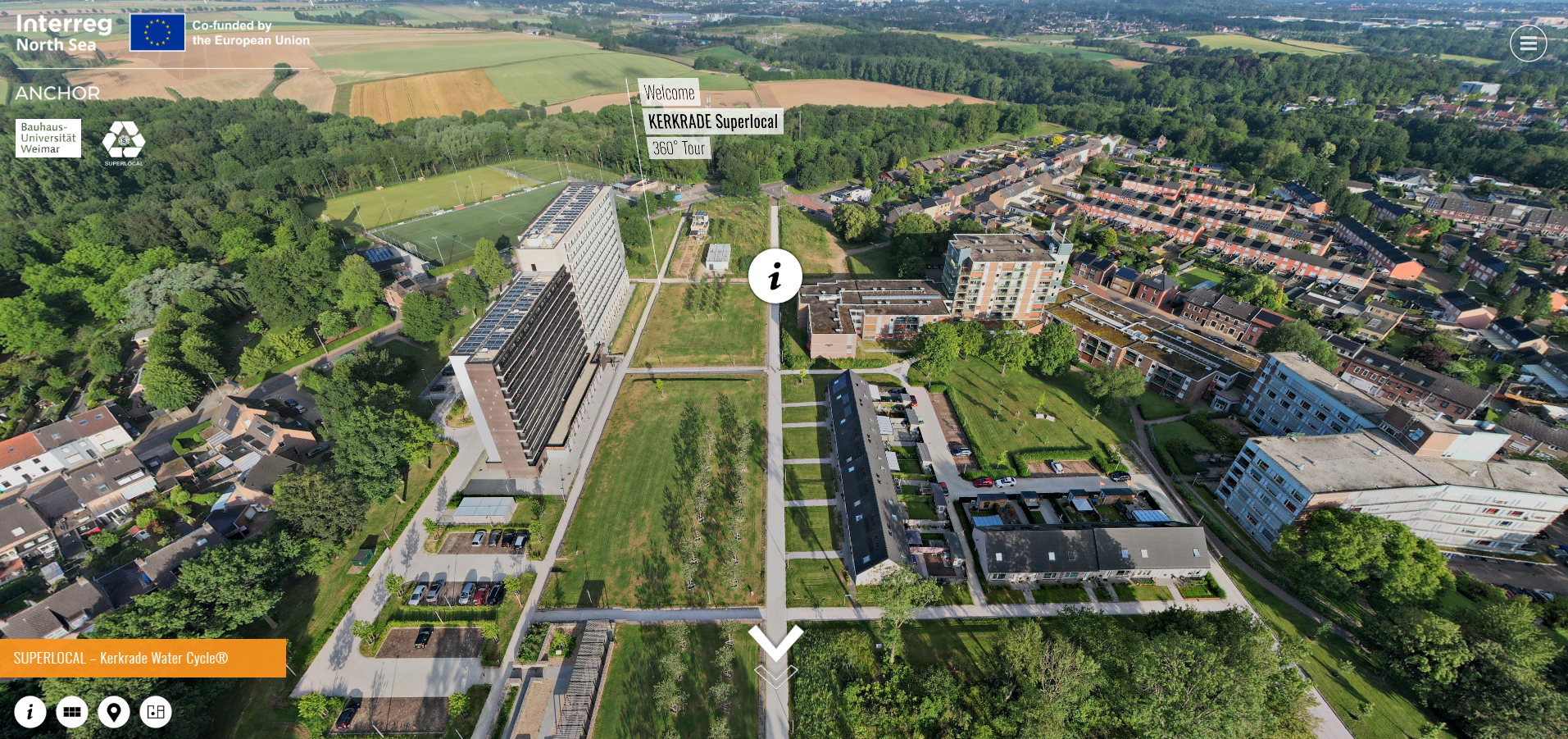
The virtual tour presents the vision behind Superlocal and explains how rainwater, greywater, and blackwater are locally managed within an optimized water cycle. It shows how wastewater is treated as a source of valuable resources and how circular water management is embedded in everyday neighbourhood life. By making the system visible and accessible, the tour helps bridge the gap between technical design and lived experience—both for professionals and for a wider audience interested in sustainable urban development.
What ANCHOR Takes Forward
The Kerkrade event reaffirmed that source-separated systems are not only about technology, but about time, trust, and people. Long-term commitment, strong collaboration, engaged residents, and continuous knowledge exchange are key conditions for success. With tools such as the Superlocal 360° virtual tour, ANCHOR continues to make these experiences accessible, supporting learning and replication across the North Sea region.