

As part of the EU Interreg project Biodiverse Cities, Aarhus Municipality is restoring 350 hectares of municipally owned farmland in the south of Aarhus and 70 hectares in the north, turning former fields into nature areas where people, plants and wildlife can thrive.
The idea is simple: help nature return by rebuilding the conditions it needs - healthier water systems, more varied vegetation, and grazing animals that keep landscapes open and diversely populated.
The ins and outs of farmland restoration in Aarhus
Restoring farmland is not only about “leaving it alone”. Many former fields are dominated by a handful of fast-growing plants, and the wildflowers that support insects and birds often struggle to come back on their own. That is why the municipality is boosting nature recovery by planting locally sourced wildflower seeds and plant material in selected fields, so meadow and grassland species can establish more quickly and reliably.
Since 2024, Natur360 has been supporting Aarhus Municipality with hands-on advice, on-site implementation and monitoring - helping test and refine what works best across the pilot areas.
What’s been happening on the ground
In 2025, work focused on selecting the priority fields to begin work on and then preparing them for restoration. The approach combines two main steps. First, soil preparation helps reduce the “memory” of intensive farming. Fields are ploughed and harrowed several times over the season to weaken the most competitive plants and give wildflowers a better chance. Second, the team introduced local species in two ways:
- sowing locally collected native seeds, and/or
- spreading species-rich “green hay” (freshly cut hay from nearby wildflower meadows, which contains seeds and plant material) onto the prepared fields.
Between June and September 2025, Natur360 collected around 7.2 kg of seed material from 51 typical grassland species from local donor sites. At the same time, volunteers and partners contributed around 2 kg of seed material from 73 species - showing how citizen involvement can directly strengthen nature restoration. In autumn, seed sowing and green-hay transfer took place across the project areas.
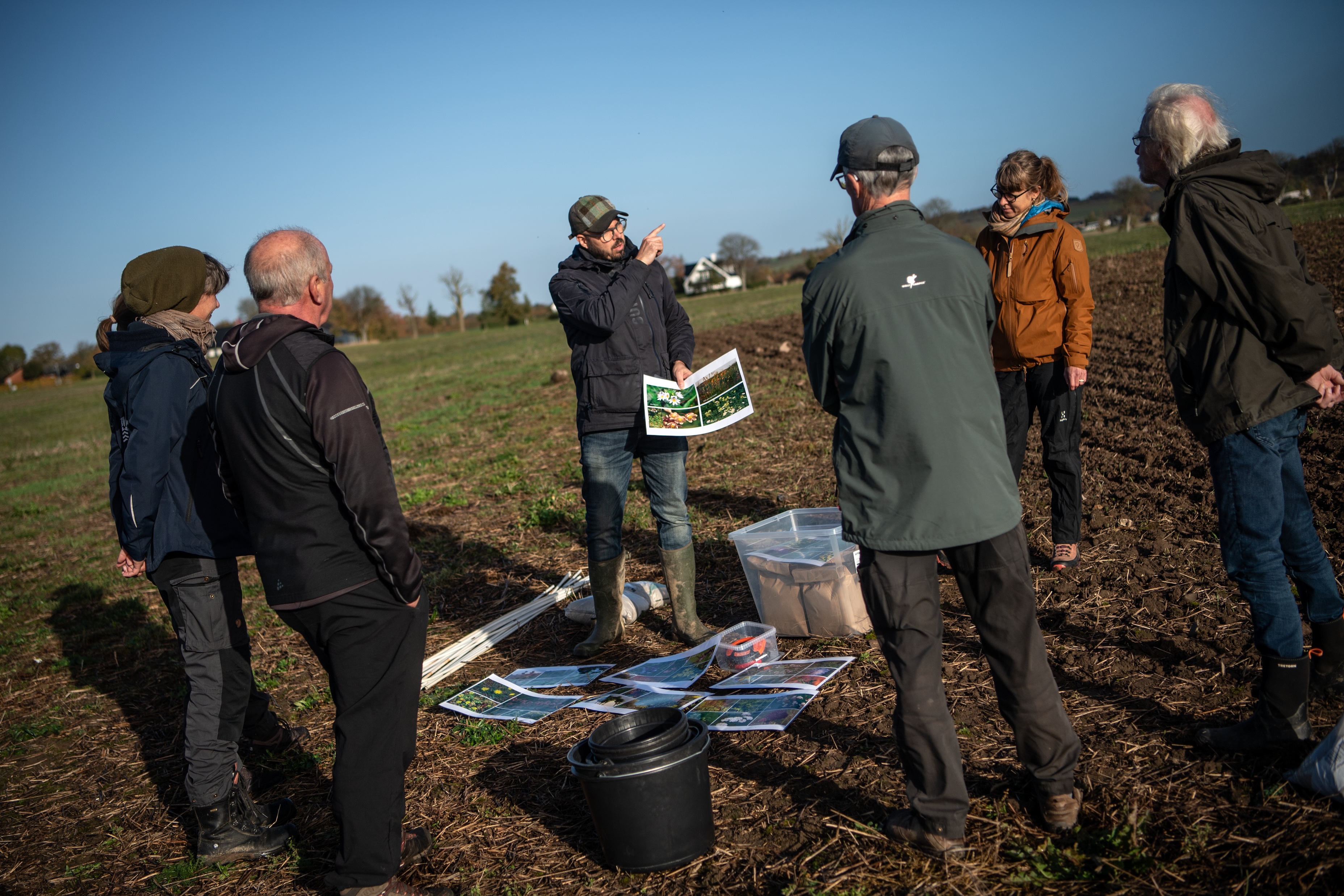
Photo credits: Aarhus Municipality
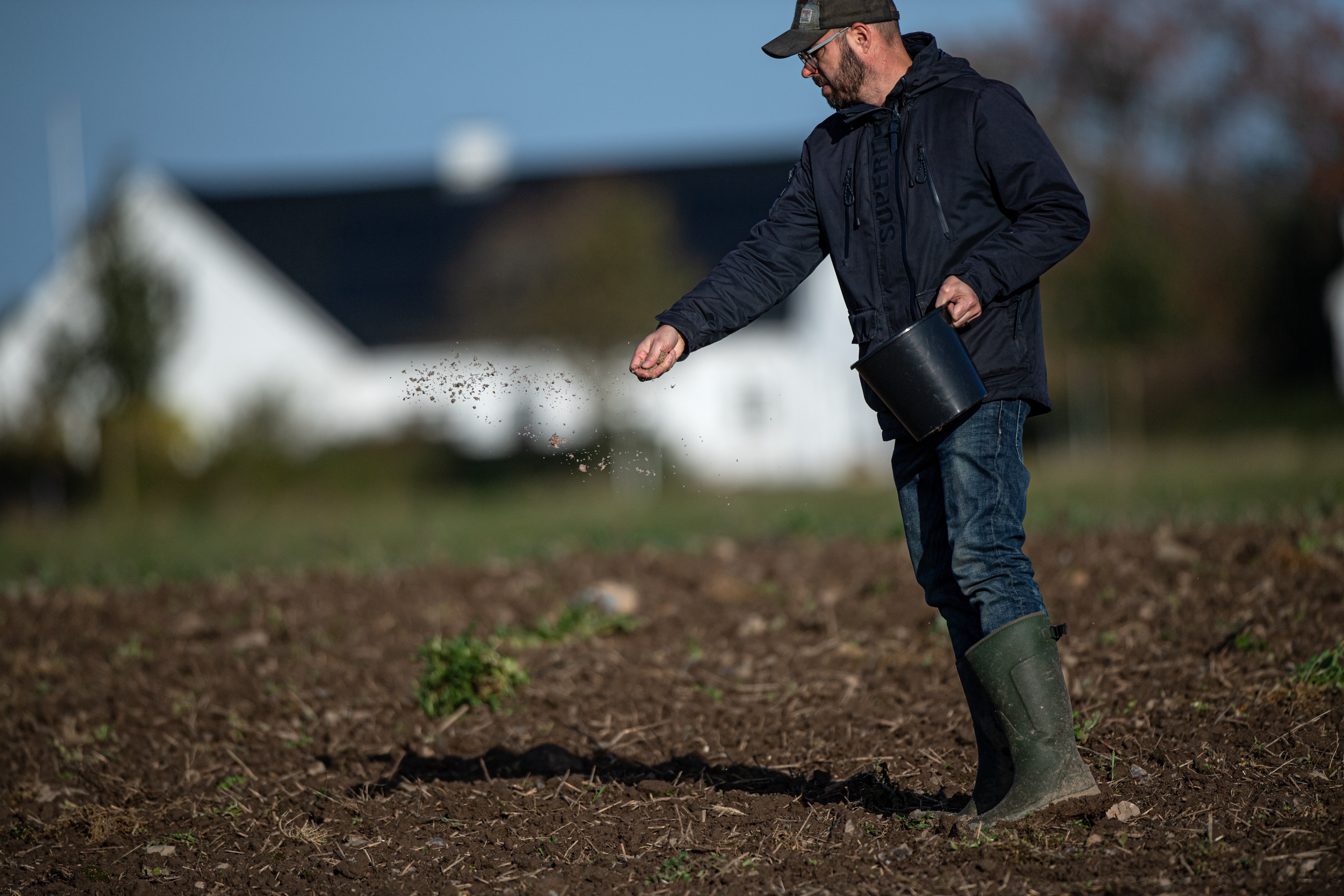
Early learnings: follow-up care makes the difference
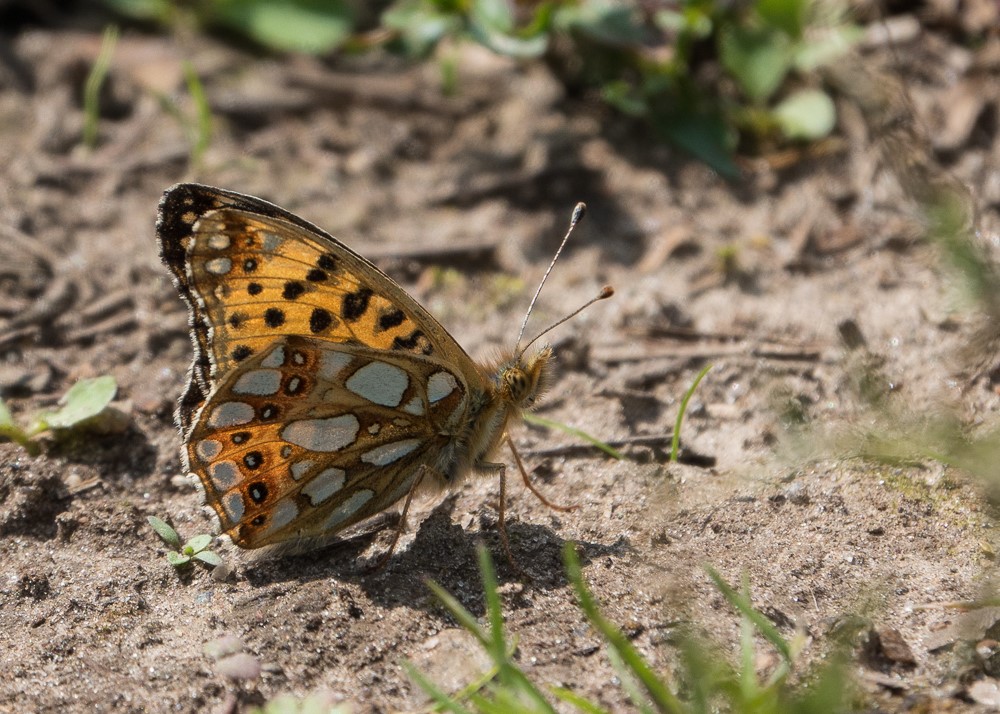
One clear lesson is that aftercare is crucial. In newly restored fields, tall, fast-growing species (such as thistles) can take over quickly unless they are managed. At Vilhelmsborg Nord, for example, fields were mown and the cut vegetation removed to reduce nutrient build-up and give wildflowers more light and space. Early monitoring from summer into early autumn already indicates a shift towards more varied vegetation and the appearance of several newly introduced species.
Grazing also plays a central role with cattle helping to keep vegetation in balance. Winter grazing is especially valuable, as it limits dominant plants and supports low-growing meadow species that need open conditions to thrive.
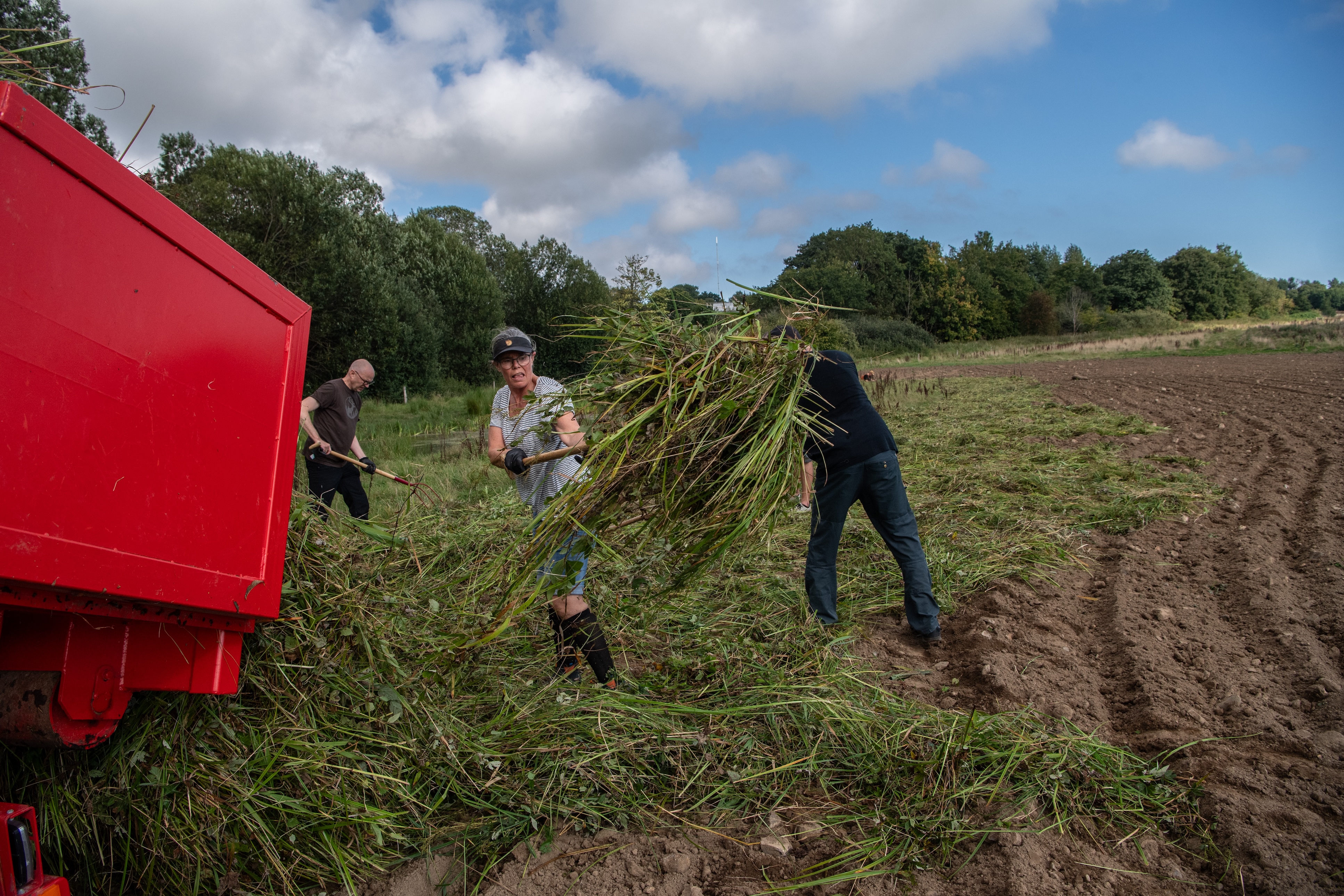
Photo credits: Aarhus Municipality (left); Dubbeld Samplonius (right)
What comes next in 2026
Natur360 has compiled a report with a set of recommendations to guide Aarhus through the next project phase. The key focus areas it sets out are: (1) to scale up the work, as the treated fields where work has so far been successful are still only a small part of the total project area, and (2) to strengthen follow-up management so the gains already made are sustained.
We look forward to watching the Aarhus team continue their work as the Biodiverse Cities project moves into its final pilot phase.