

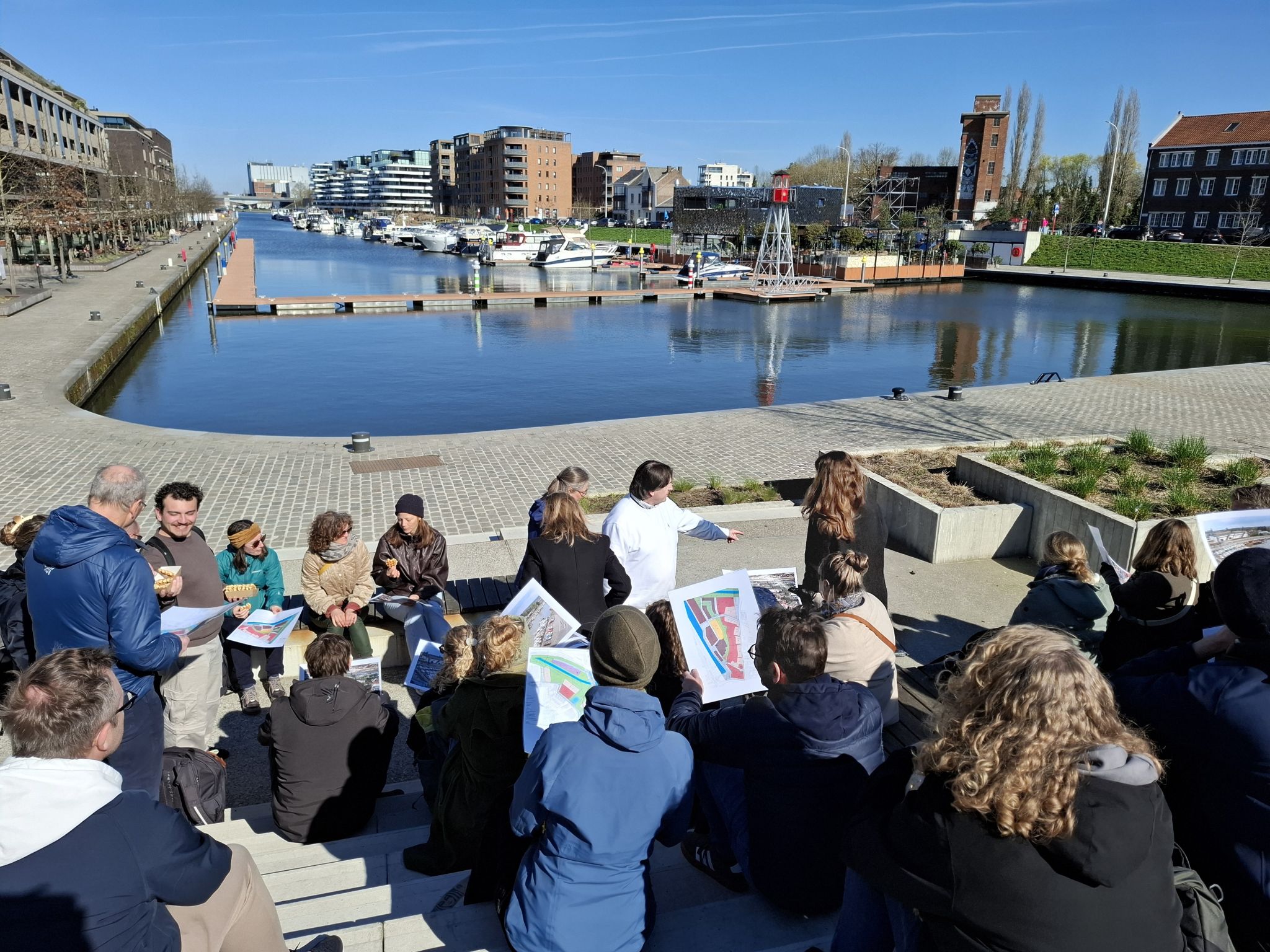
The Biodiverse Cities partnership gathered in Hasselt for its 8th and final partner meeting, marking a key moment as cities move into the final phase of their pilots and begin consolidating lessons for replication across Europe. Partners explored how Hasselt is using the River Demer as a backbone for urban biodiversity, while exchanging practical insights on governance, data, and citizen engagement. The meeting also opened its doors to a wider audience through a Transnational Policy Event, reinforcing one of the project’s core ambitions: translating local experimentation into knowledge that can support cities across the North Sea Region and beyond.
Inviting the public to learn from the Biodiverse Cities partnership
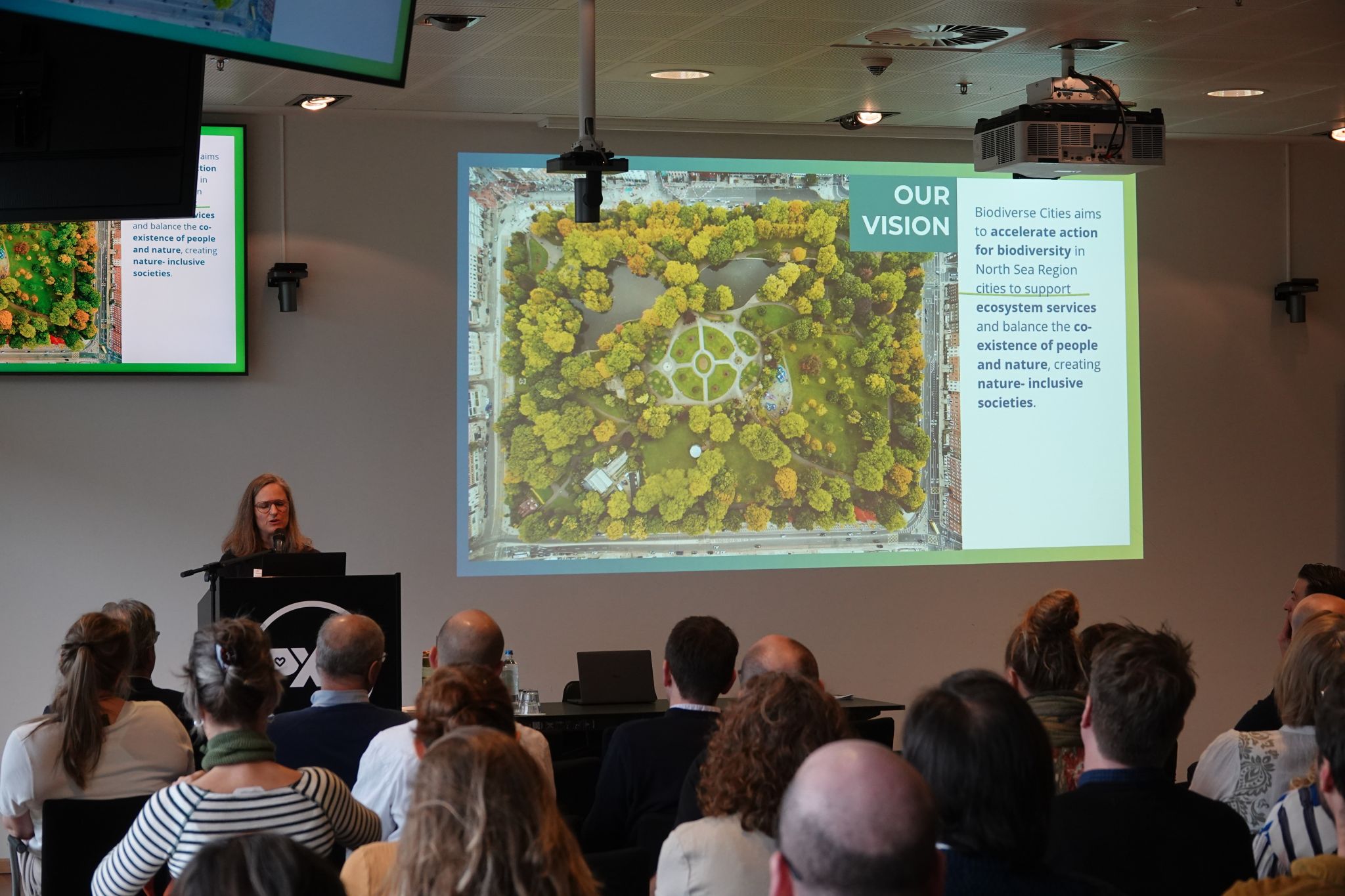
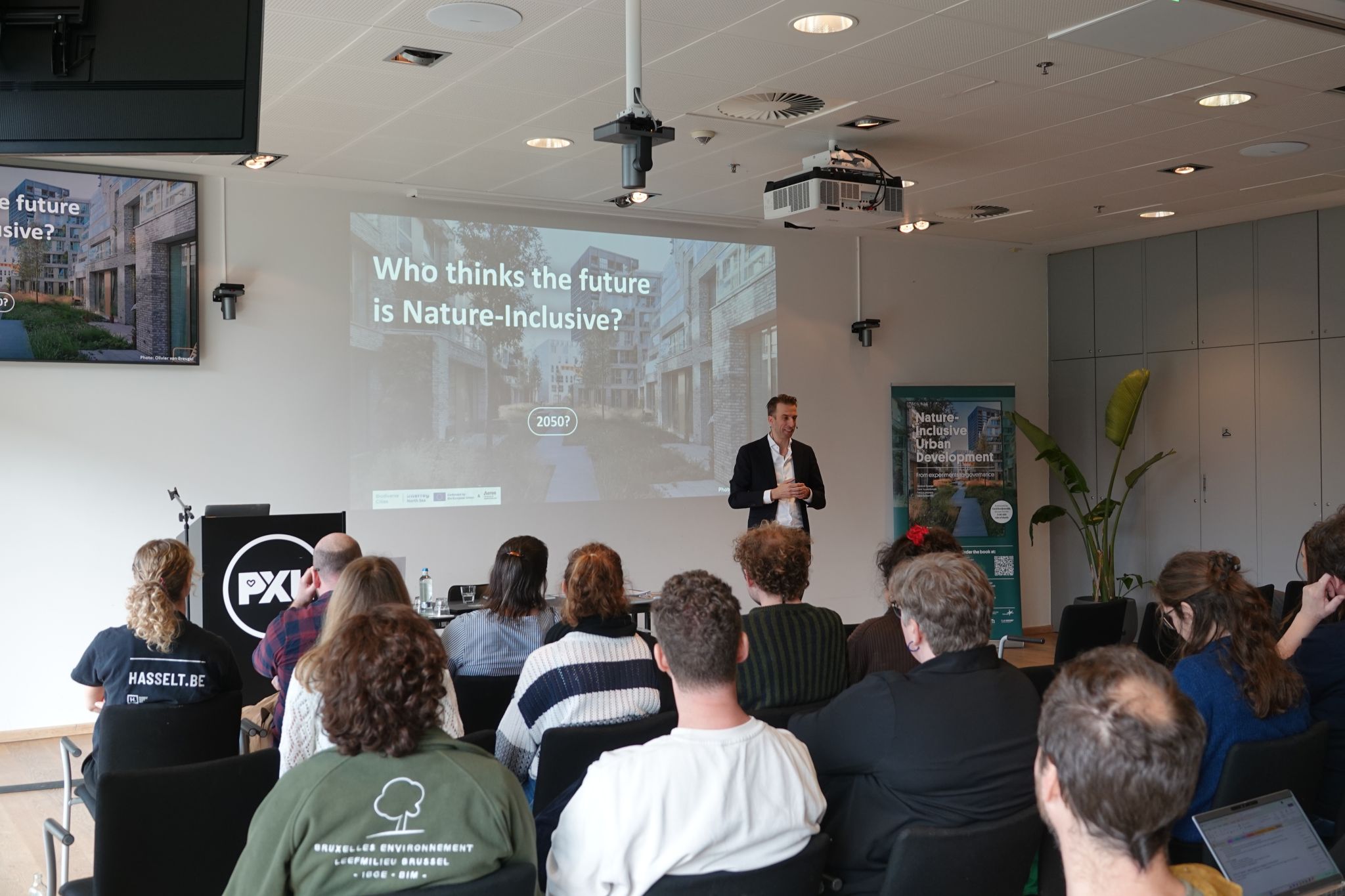
The meeting kicked off with a public event titled ‘Building Nature-Inclusive Cities’, bringing together researchers, practitioners, and policymakers to reflect on how biodiversity can be structurally embedded into urban development.
A keynote by Professor Hans Van Dyck from UCLouvain set the tone, highlighting the importance of ecological enrichment - not only to improve urban environments for people, but also exploring how cities can be designed to improve habitats for multiple species. This perspective was complemented by Dr Gideon Spanjar and Dr Patrick Limpens from Aeres University of Applied Sciences, who shared methodologies developed within the project to help cities move from high-level ambitions to actionable biodiversity roadmaps. Participants also gained valuable insights into the biodiversity study of the Demer Valley in Hasselt, presented by Tobias Nauwelaers from Sweco and Thomas Impens from Provinciaal Natuurcentrum Limburg.
A key takeaway from the event was the need to shift from isolated green interventions to system-level thinking. Rather than treating biodiversity as an add-on, cities must integrate it into spatial planning, investment strategies, and cross-departmental processes.
The River Demer area as a living laboratory for urban biodiversity
At the heart of Hasselt’s approach lies the River Demer, which functions as an ecological corridor for both aquatic and riparian species.
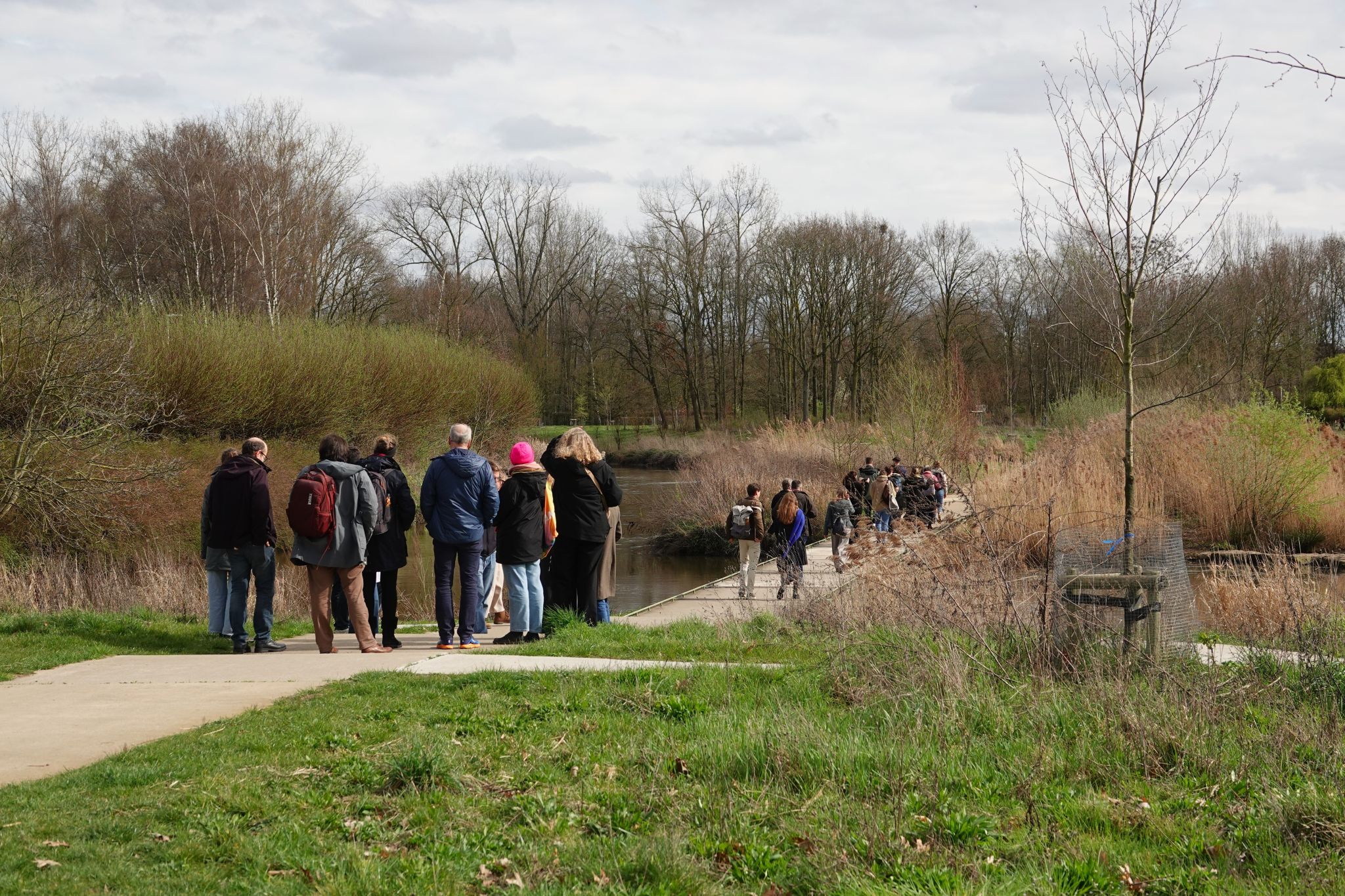
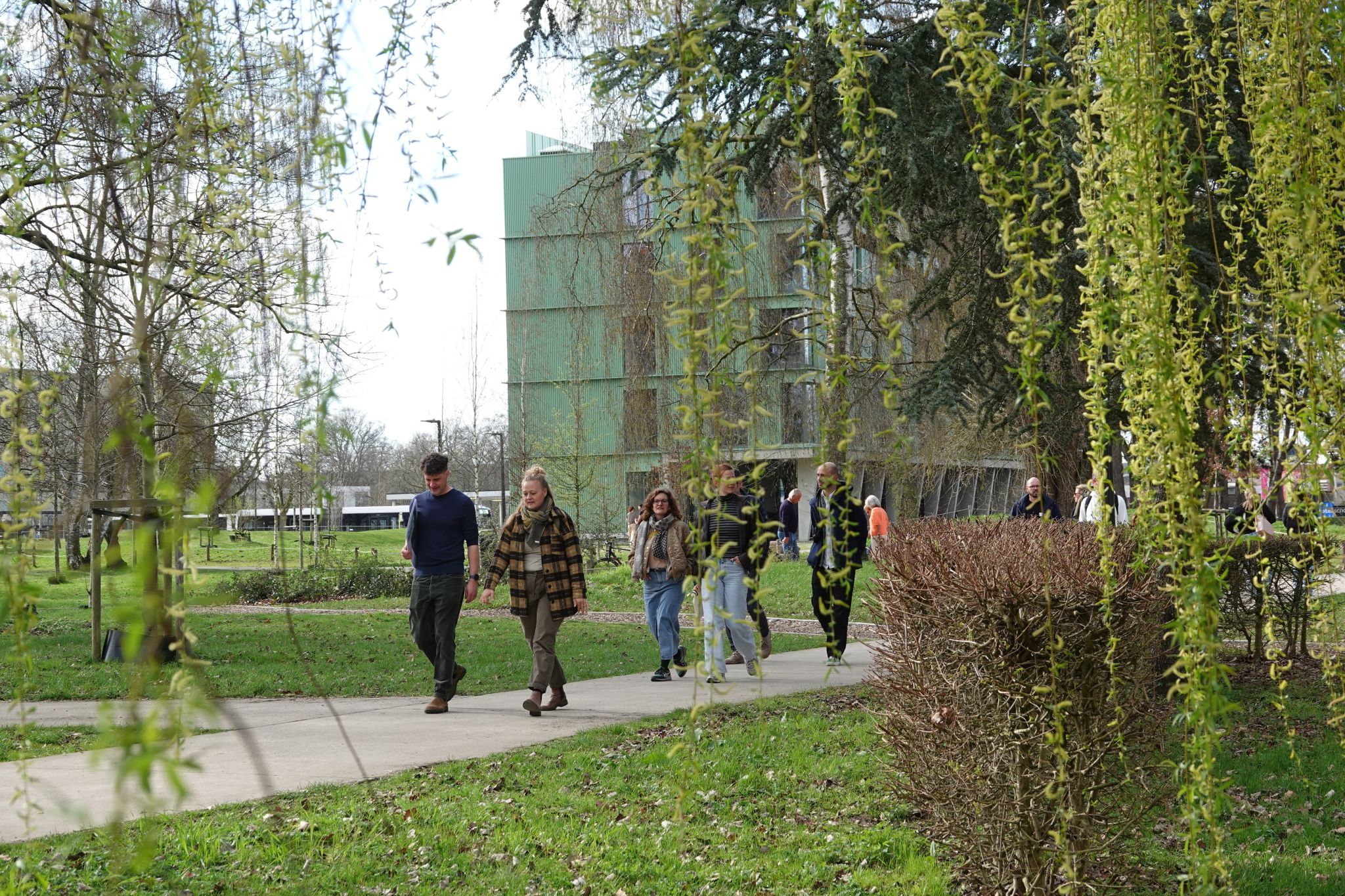
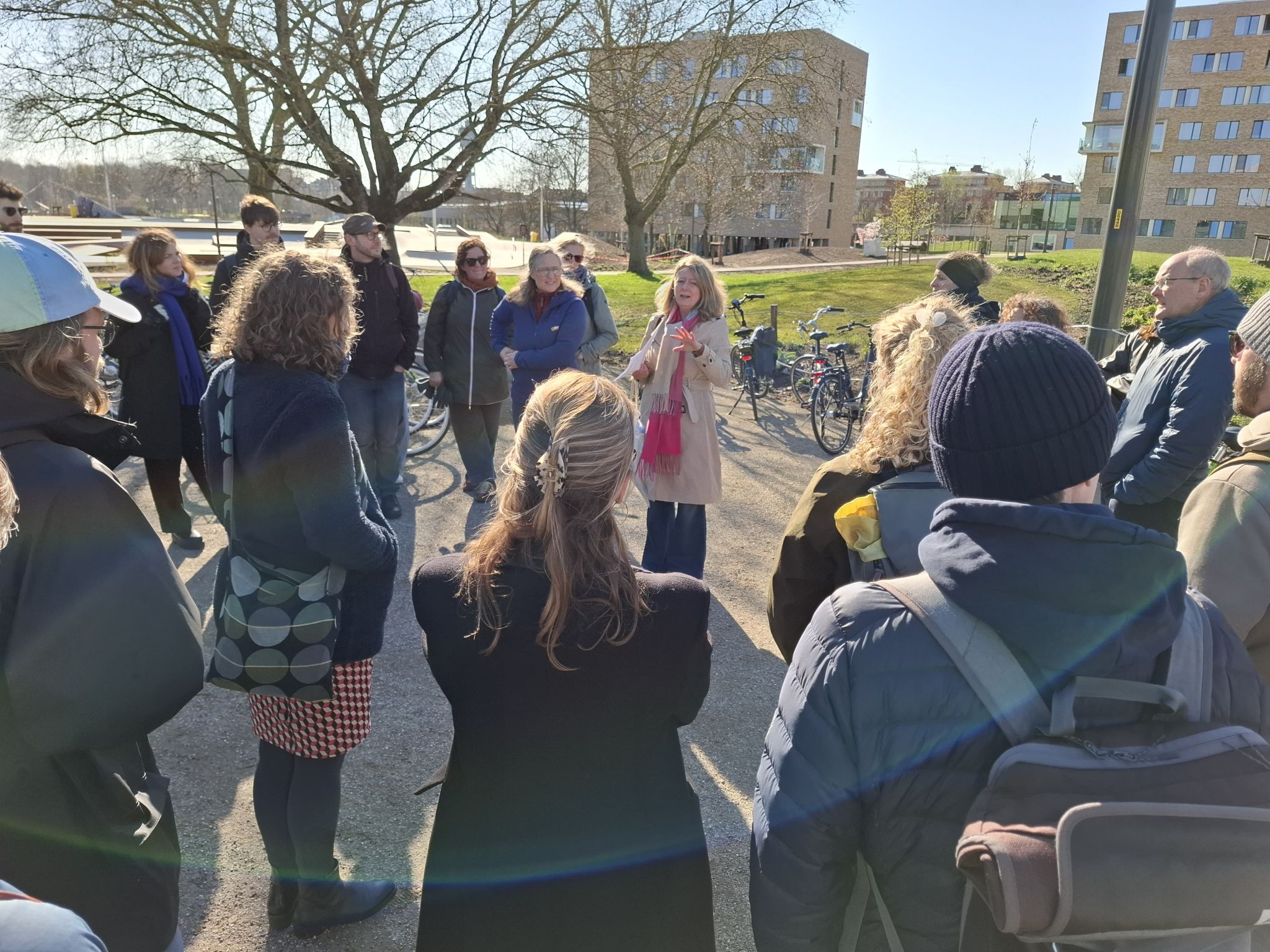
During a bicycle field visit through the Demer Valley, partners explored how this corridor can be extended further into the city. Concrete measures implemented in Kapermolenpark illustrated this in practice, including nesting walls for sand martin and kingfisher birds, bat roosts to provide shelters for bats to rest, hibernate and raise their young, alongside insect hotels and brushwood piles.
The site also demonstrated how dynamic conditions, such as fluctuating water levels, can support a diversity of ecosystems, including wetland vegetation.
Tackling fragmentation: from pilot site to connected system
A central challenge discussed throughout the visit was ecological fragmentation. While the Demer corridor functions relatively well in certain areas, barriers remain within the urban fabric, limiting species movement and ecosystem continuity.
Ongoing studies led by Sweco Belgium are mapping these barriers and identifying solutions - from addressing infrastructure bottlenecks such as canal crossings to introducing wildlife entry points.
For other cities, this highlighted an important lesson: urban biodiversity strategies must go beyond site-level interventions and actively address connectivity at landscape scale.
Equally important is the integration of biodiversity into future development. Hasselt’s introduction of buffer zones along the river (which prevent construction directly adjacent to the Demer), demonstrates how planning regulations can create long-term space for nature.
Schools, data and co-evaluation: unlocking new pathways for implementation
Beyond the site visits, partners exchanged insights from across the Biodiverse Cities pilots, pointing to several emerging themes with strong replication potential.
One key reflection was the role of schools as catalysts for urban greening. By working with educational institutions, cities can unlock both physical space and community engagement, embedding biodiversity into everyday environments while fostering long-term cultural change.
Another focus was on improving nature data collection, combining citizen input with new technologies to better understand urban ecosystems and inform decision-making. This was closely linked to discussions on co-evaluation in citizen science, where residents are not only contributors of data but active participants in assessing impact and shaping interventions.
Together, these approaches underline a broader shift: from top-down planning to more participatory, data-informed and adaptive models of urban biodiversity governance.
From experimentation to action: shaping the Biodiversity Action Plans
As the project approaches its final phase, partners also used the meeting to advance their Biodiversity Action Plans - a key output designed to embed project learnings into long-term city strategies.
These plans aim to translate pilot experiences into concrete actions, policy integration, and cross-departmental alignment, ensuring that biodiversity is not treated as a standalone initiative but woven into broader urban development agendas.
At the same time, discussions began on the final Biodiverse Cities conference, where partners will present their results and share practical tools and insights with a wider audience of cities and practitioners.
Looking ahead: scaling impact beyond the project
As the project moves into its final phase, the Hasselt meeting reinforced the importance of connecting local pilot experiences to broader urban development strategies.
With a strong focus on implementation and knowledge sharing, the next step will be to translate these learnings into practical approaches that can be applied by cities across Europe. We look forward to sharing these next steps with you.