

A session hosted by the COPPER project at the EU Sustainable Energy Week (EUSEW) on June 12, 2025, brought together cities, distribution system operators (DSOs), and market innovators to forge a path for the future of urban energy.
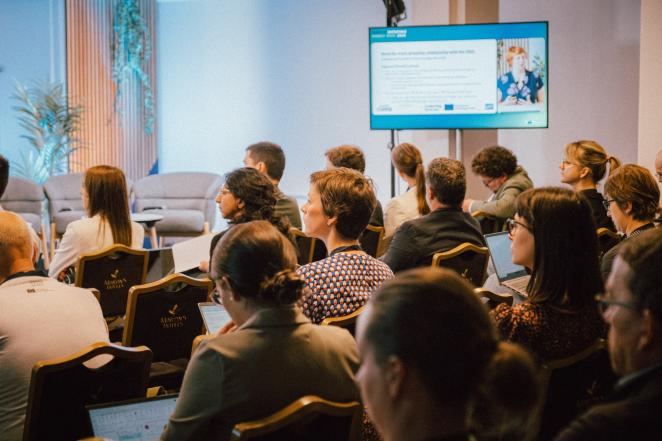
The event, "Empowering Cities: Local energy action planning for a competitive future," highlighted the urgent need for a shift in how local energy systems are planned and managed. With the EU aiming for climate neutrality, the session highlighted that the energy transition is fundamentally a local story, happening in our cities, streets, and homes.
The core message was clear: the old model of centralized power is being replaced by a decentralized system of clean, local power" and this requires unprecedented collaboration. The REPowerEU plan's ambitious targets—including connecting 500GW of new renewable capacity and accommodating 50 million heat pumps at the local level by 2030—require an estimated €375-425 billion investment in distribution grids alone.
The session introduced Local Energy Action Planning (LEAP) as a crucial governance model for managing this transition. LEAP involves municipalities setting clear energy ambitions and forging formal collaboration agreements with DSOs and other stakeholders to align urban development with grid planning.
Moderated by Benedict Gardner of Bax Innovation, the panel featured a diverse lineup of local energy actors who shared insights and best practices for accelerating the local energy transition:
- Cathy de Bruyne, Director of the Environment and Climate Service, City of Ghent
- Vincent van Ryssegem, Team Lead for Climate & Environment Policy, City of Antwerp
- Patrick Dellaert, Senior Key Account Manager, Fluvius
- Bruno Sousa, Policy Director, E.DSO
- Tzeni Varfi, Head of Policy, SmartEn
- Michal Kuzmič, Head of Multidisciplinary Collaboration, UCEEB
- Benedict Gardner (Moderator), Innovation Consultant, Bax & Company
Key Takeaways
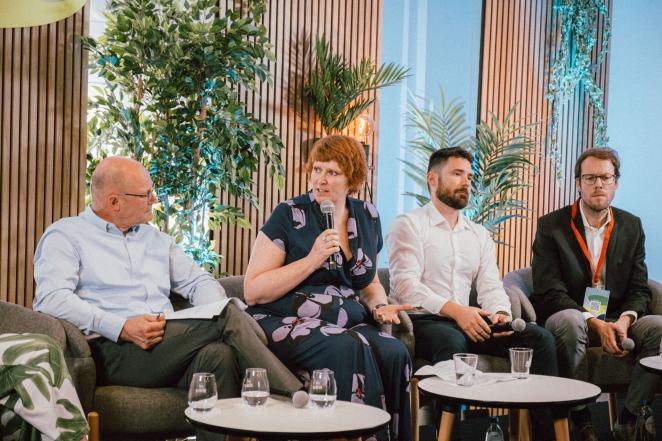
A dialogue driven by data - importance of DSOs like Fluvius and cities like Antwerp coming together to share data
A recurring theme was that effective planning must be built on a foundation of shared, detailed data. Vincent van Ryssegem from the City of Antwerp presented the "Networks for Tomorrow" project, a collaboration with DSO Fluvius. By mapping the impact of city policies on the distribution grid, they are working towards a digital twin of the local energy system. Similarly, Patrick Dellaert of Fluvius introduced "Plan mee lokaal" (Plan with us locally), a service that enriches grid investment plans with specific local data from municipalities, moving from broad assumptions to targeted, effective action.
Proactive to reactive energy management from both cities and DSOs
The dialogue signaled a fundamental shift from reactive problem-solving to proactive, strategic management. Cathy de Bruyne of the City of Ghent explained their move to establish a single point of contact with Fluvius, fostering a collaborative model to anticipate and manage grid impacts from new heating and cooling plans. This proactive stance is mirrored by DSOs. Bruno Sousa of E.DSO argued for integrated planning to build a resilient grid, while Fluvius detailed its "no regret" investment plan, designed to prepare grids for the future by reinforcing networks before congestion becomes a critical issue.
Need for flexibility and incentives for energy sharing actors
The session also highlighted the growing role of new market actors and business models. Tzeni Varfi from SmartEn stressed the importance of Demand-Side Flexibility (DSF), urging cities to embed flexibility into their planning for housing, EV charging, and infrastructure to unlock local value and affordability. Michal Kuzmič of UCEEB shared the surprising growth of energy communities in the Czech Republic. Despite administrative hurdles and a lack of financial incentives like discounts on distribution fees, over 40 communities have registered, demonstrating a powerful, non-economic drive for local energy independence that policy should nurture. This is complemented by successful models like ASTER in Flanders, which offers solar energy at cost price to social housing tenants, and Cleanwatts, which facilitates 70MWp of energy sharing.