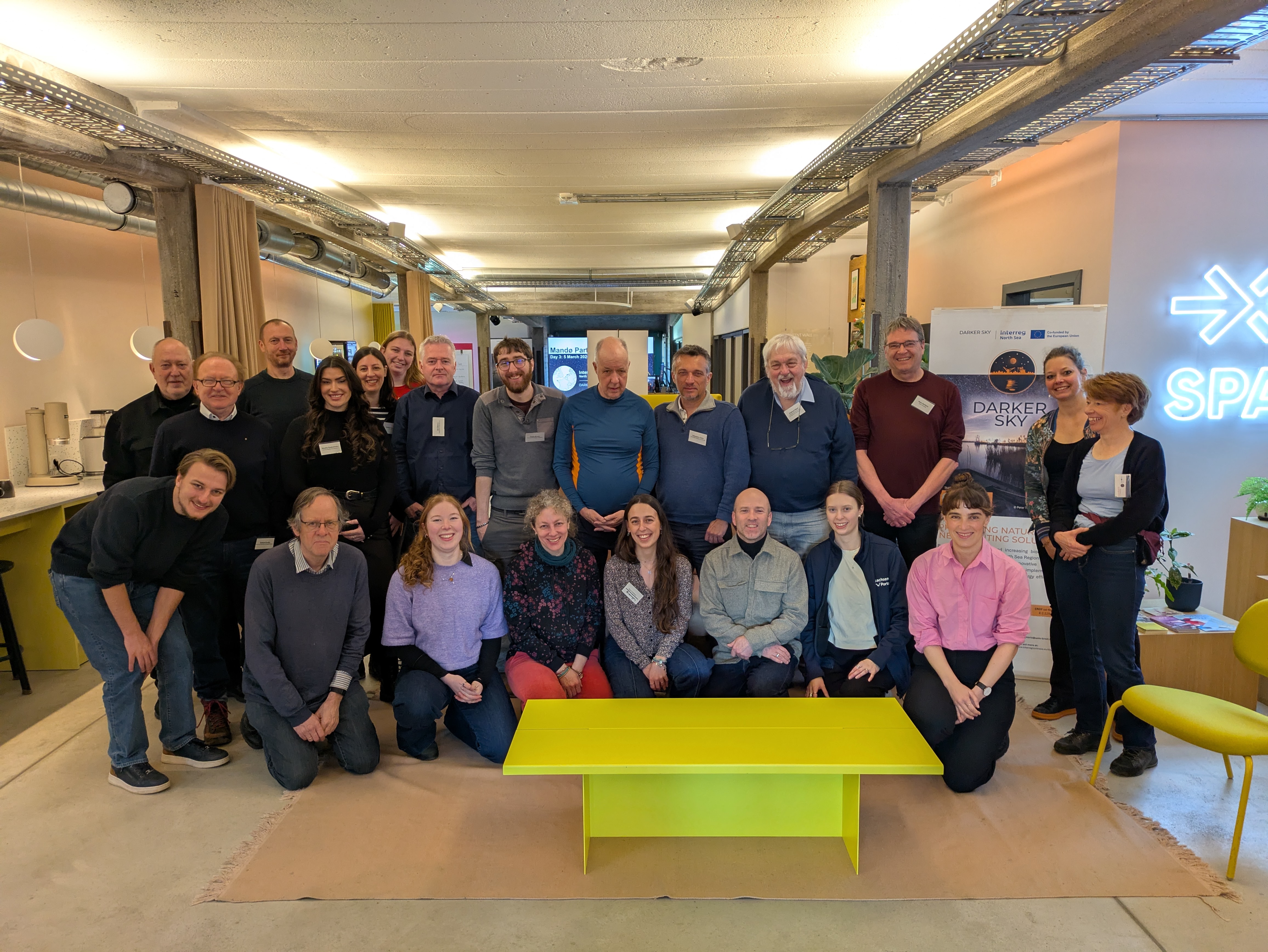
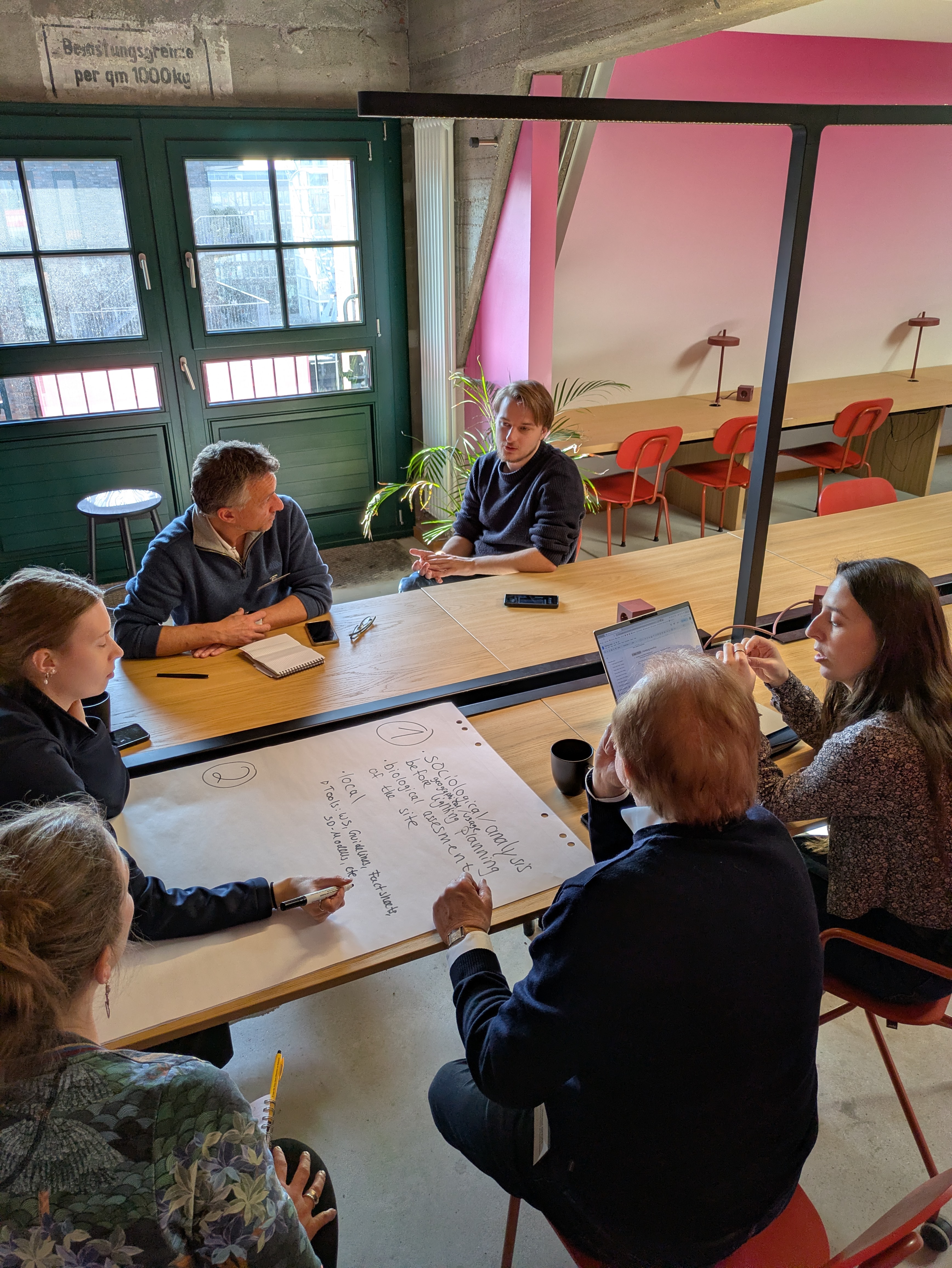
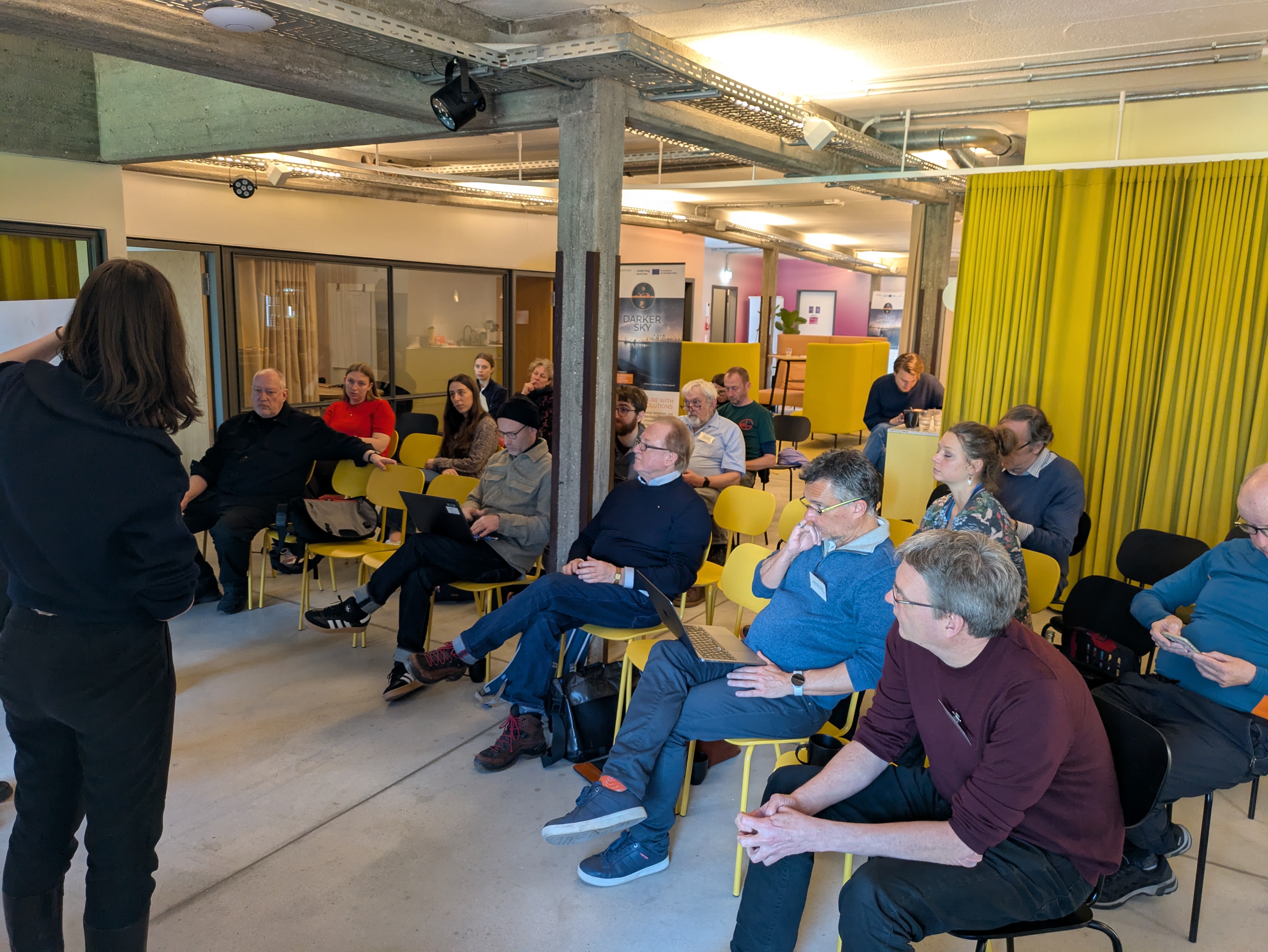
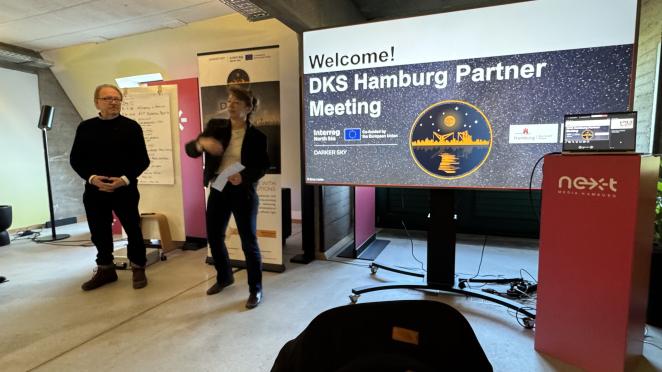
Last week we met in Hamburg for the second-last partner meeting of DARKER SKY! Our partners Bezirksamt Altona and Hamburg University of Applied Sciences hosted the meeting.
Moving into the final project phase
The timing was important. In about six months the project will come to an end, so we are now moving into the final phase. This means completing our analyses and preparing the project outputs that will be published in the coming months.
The meeting was a moment to reflect on the project progress and to take stock of the work so far. While we are aware that the final months will be busy, everyone is very motivated and committed to bringing the project results together!
One focus of the meeting was the presentation of first results from the demonstrator sites across the North Sea region. These early findings showed us first indications of how the modified lighting, aimed to reduce light pollution and improve lighting quality, effects local biodiversity at our sites.
All DARKER SKY demonstrator sites are very different. They range from small harbours and rural towns to larger port areas and major cities. This diversity can make it challenging to compare results directly. At the same time, it is one of the strengths of the project. The consortium brings together partners with different expertise, local conditions and experiences. By exchanging insights and observations, we are learning from these differences and gaining a broader understanding of how lighting is handled across the five project countries.
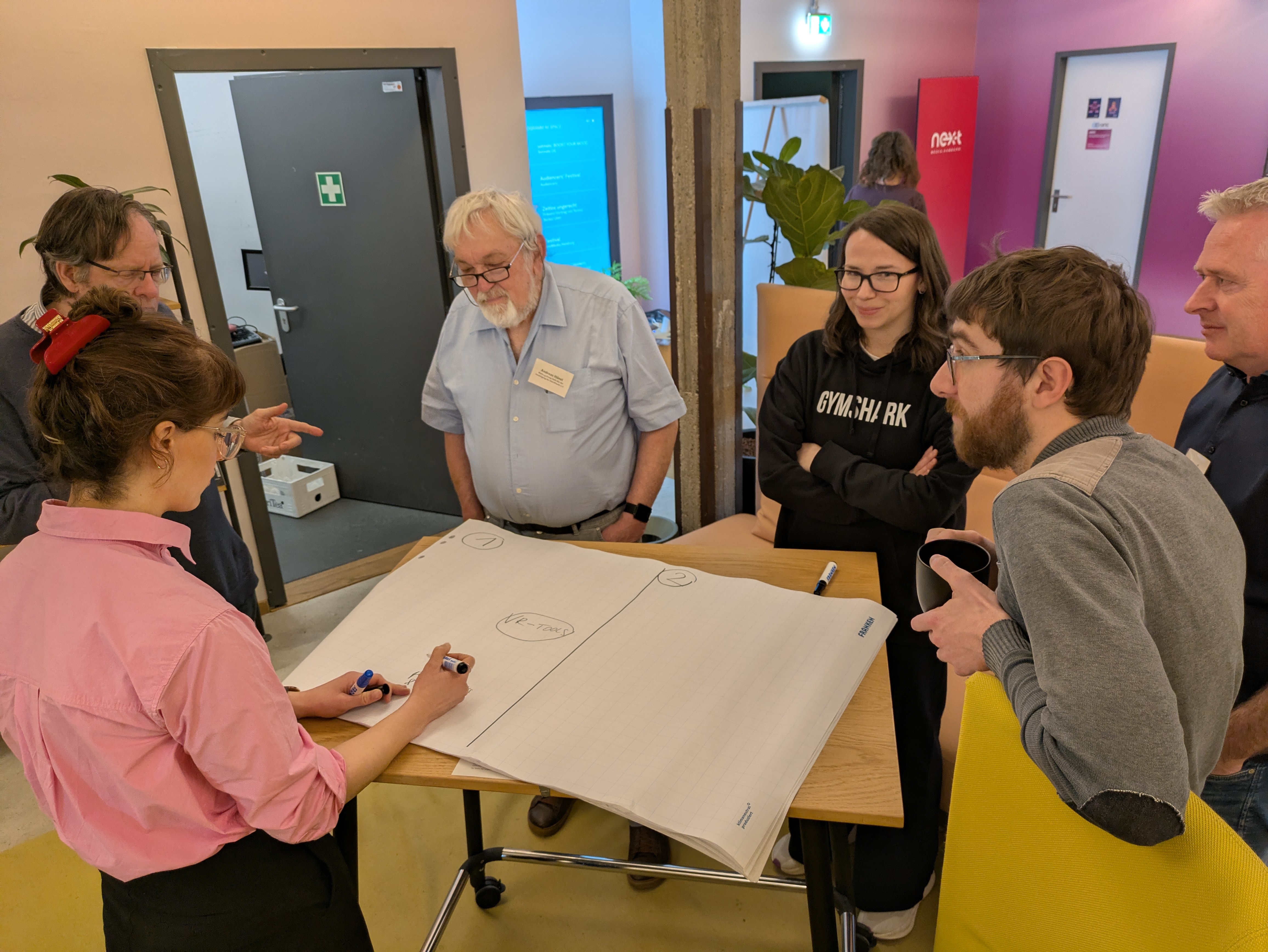
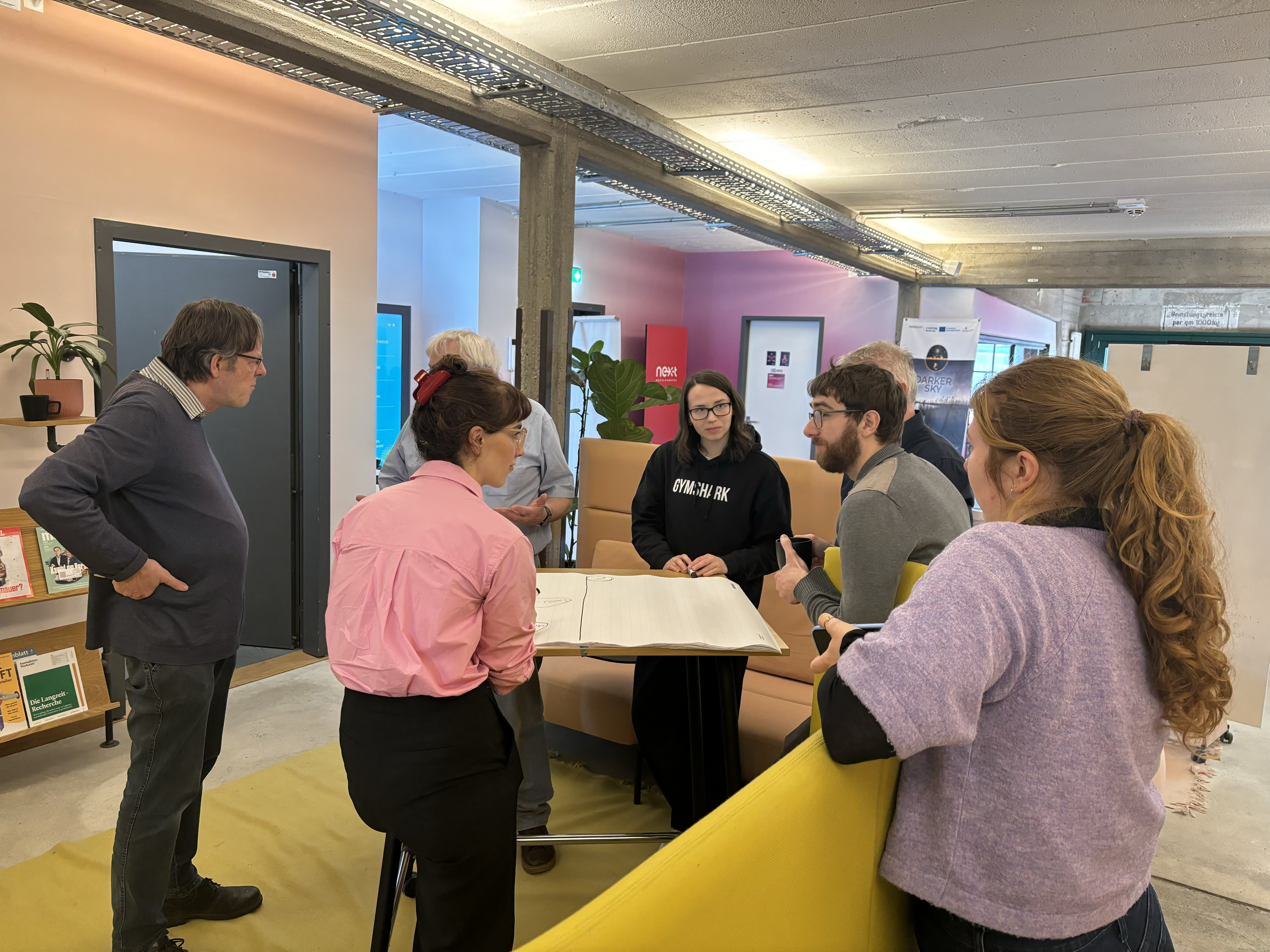
Workshops during the meeting helped us move forward on our key outputs. In one session we gathered input for a summary of the co-design approaches used across the pilot sites. Each location has approached lighting changes differently and worked with communities and stakeholders in different ways, offering various forms of participation and engagement.
Another workshop focused on the development of our transnational strategy. This strategy will provide a cross-border framework for decision-makers in the North Sea region to reduce light pollution and strengthen dark ecological corridors. It will include policy recommendations that support ecological connectivity and more coordinated approaches to sustainable night-time environments.
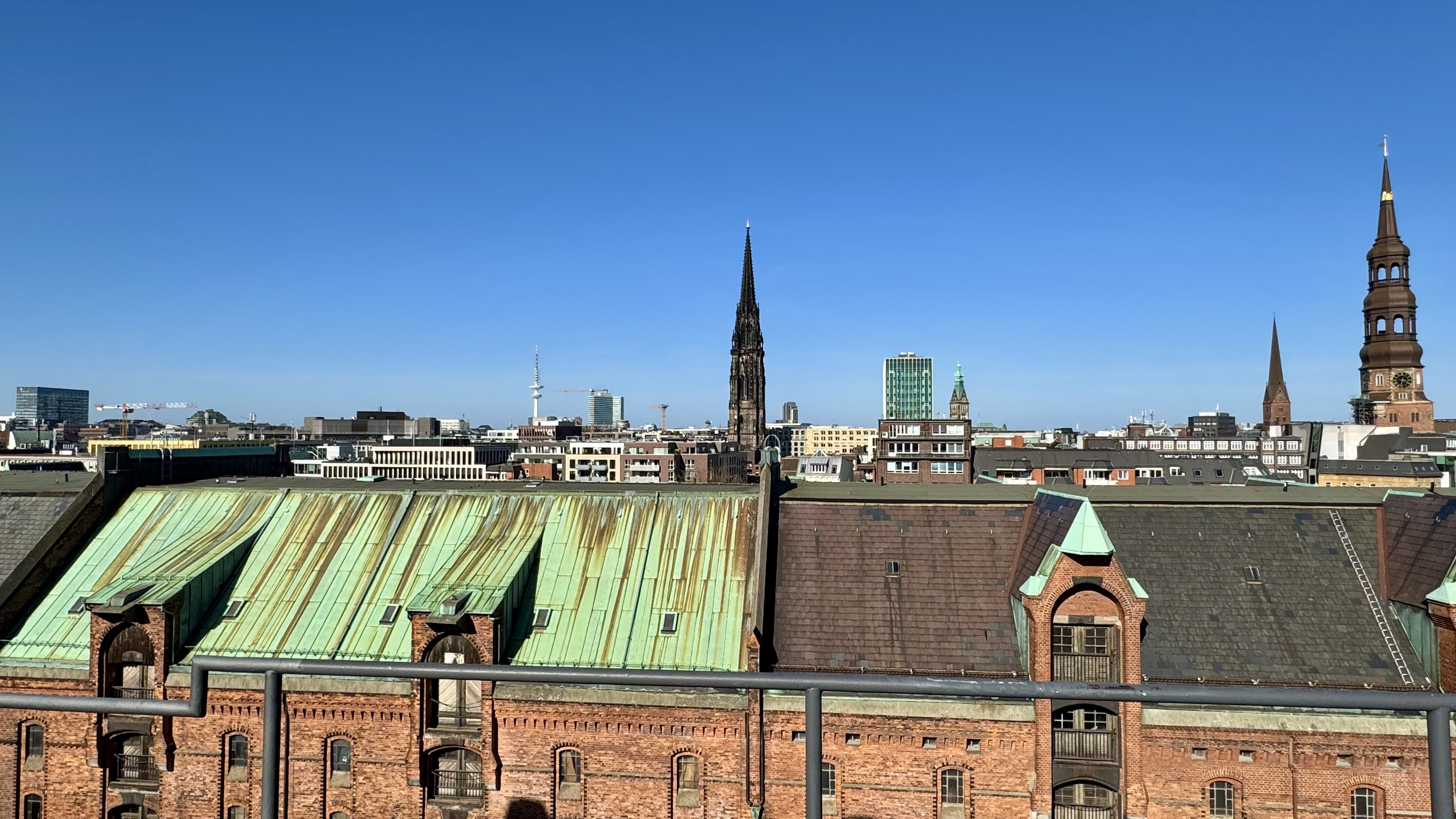
Experiencing Hamburg
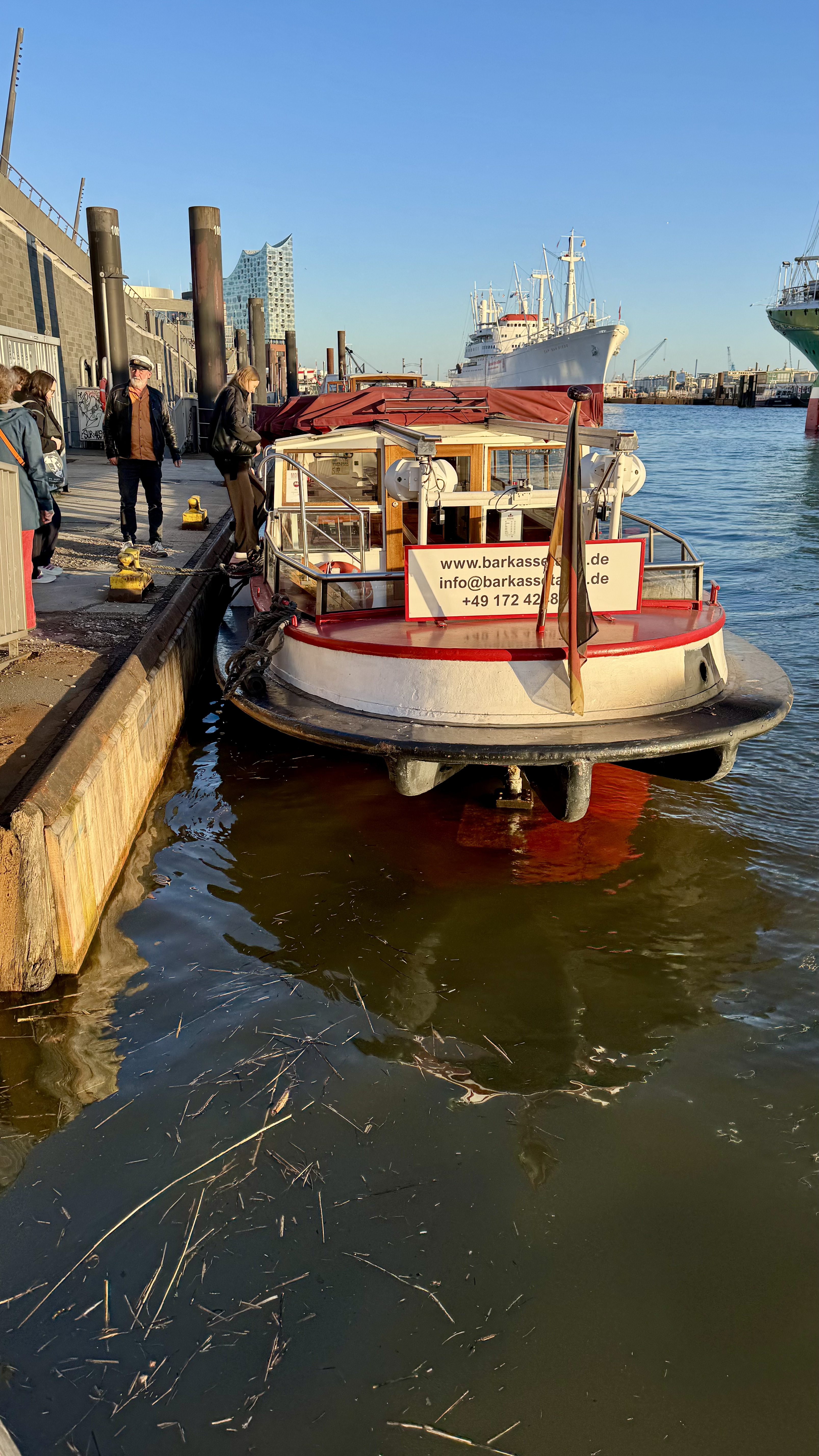
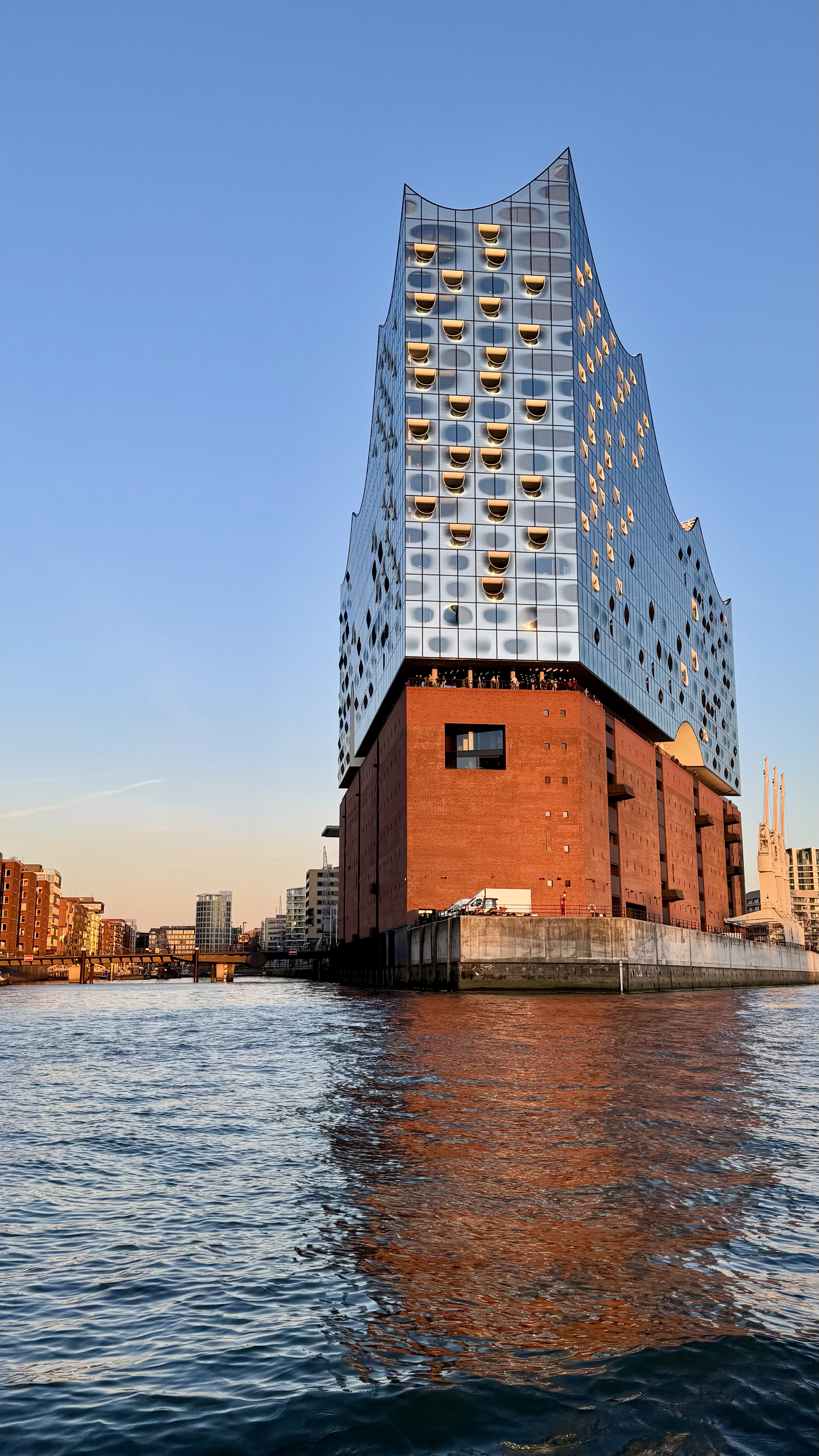
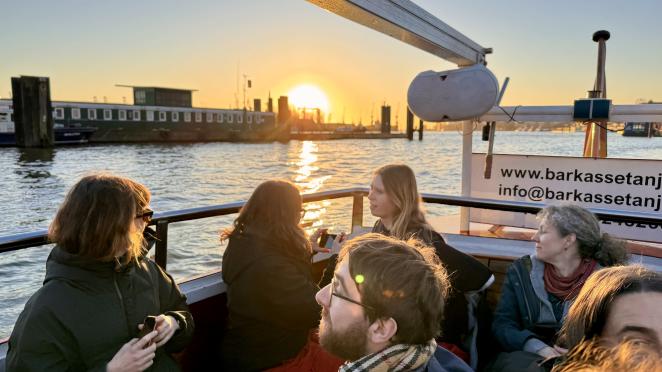
Besides the working sessions, the programme also allowed us to experience some of the local context. After the first day of meetings, we joined an alternative harbour tour through the port of Hamburg at sunset.
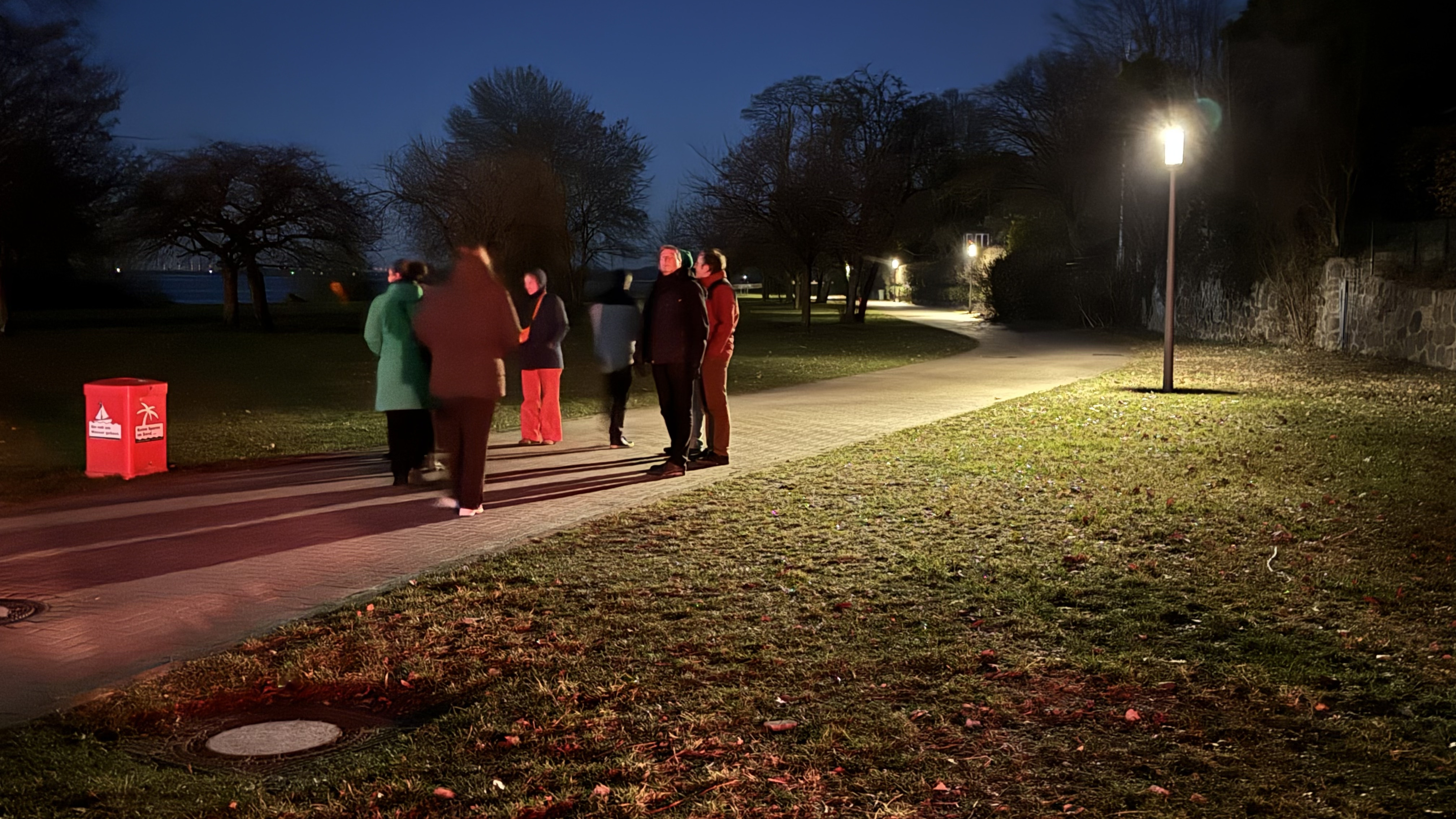
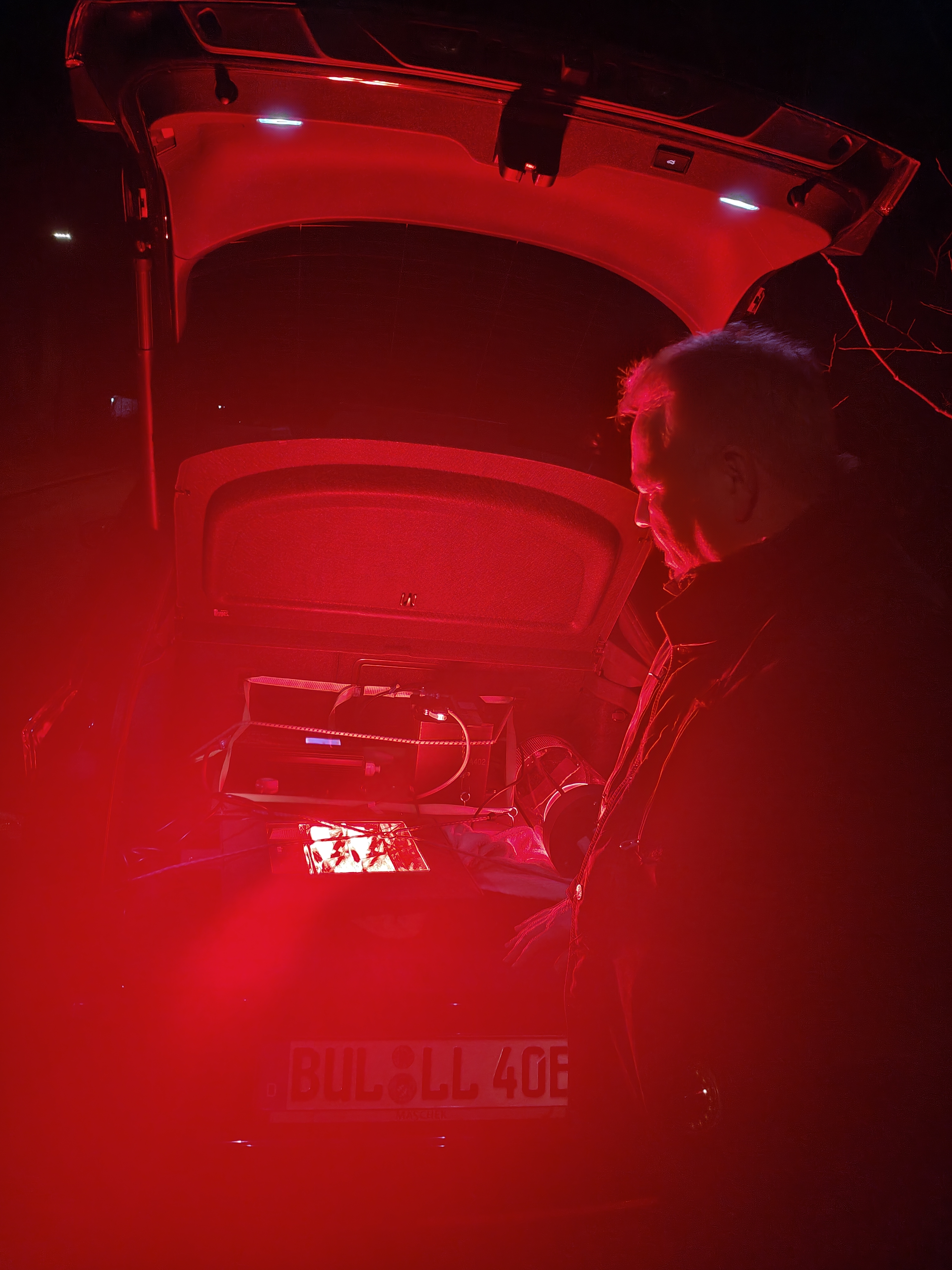
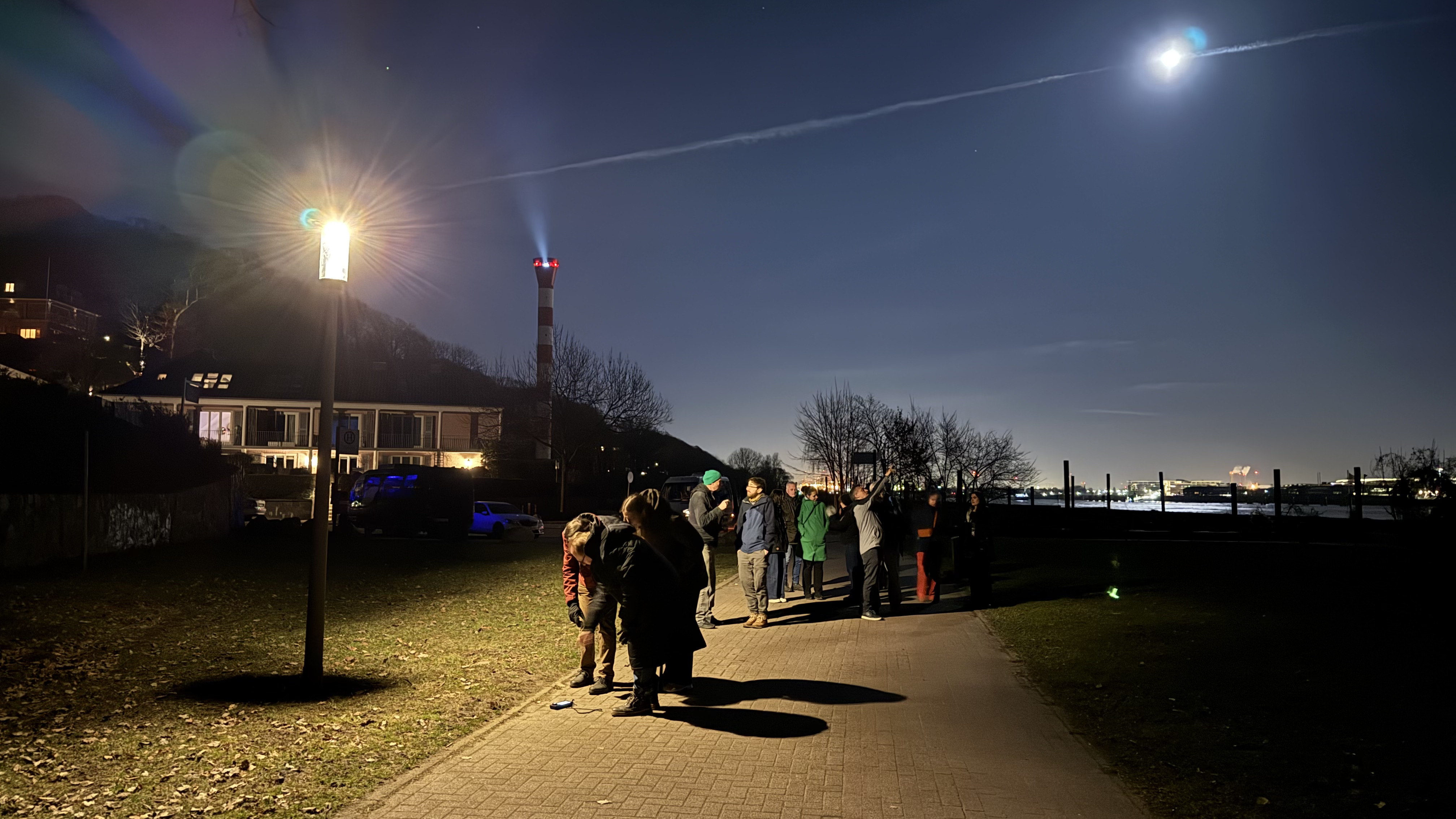
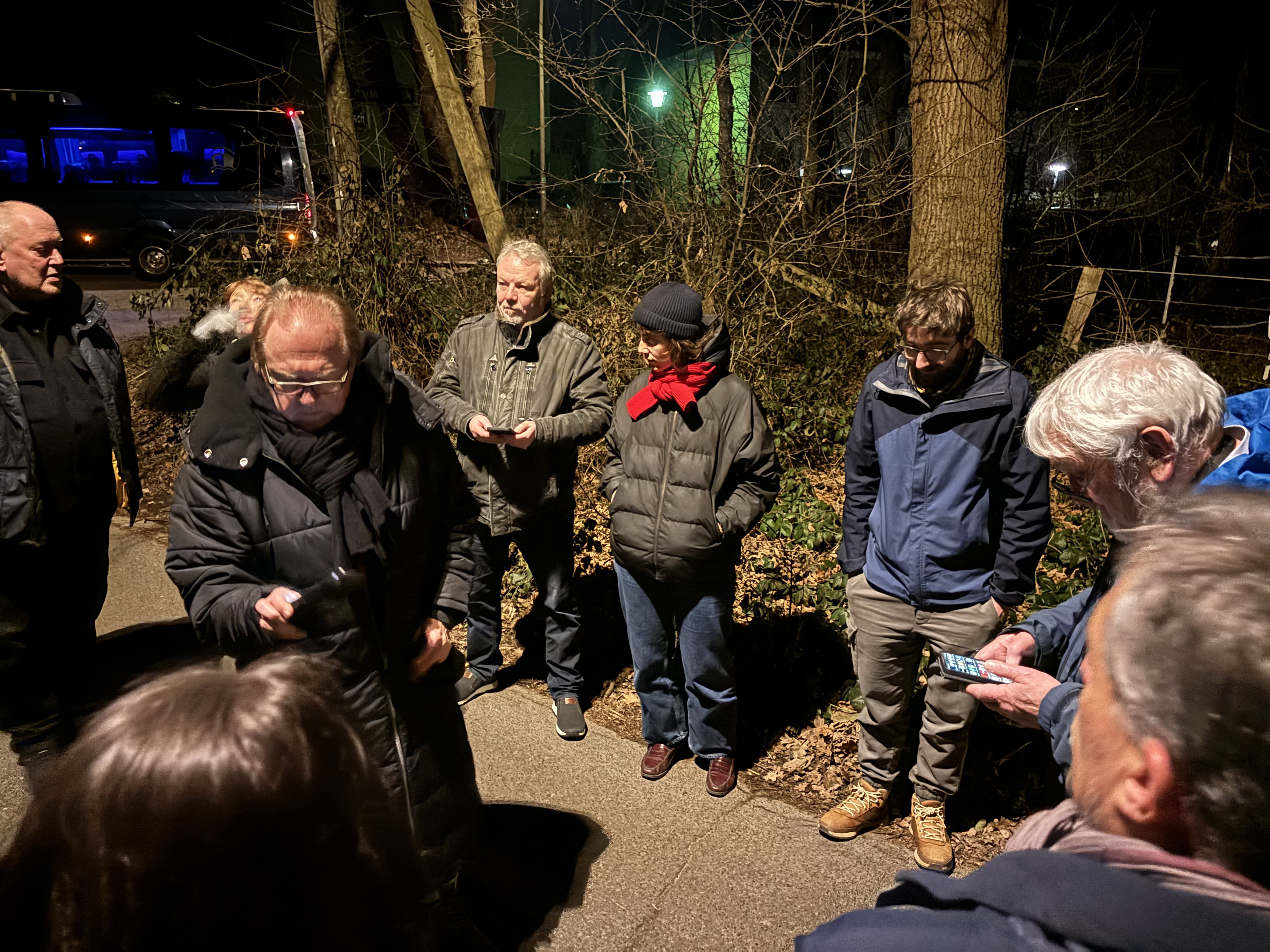
Later that evening we visited Hamburg’s two demonstrator sites: the Elbe Hike & Bike Trail along the Elbe River and Bullnwisch, a street on the outskirts of the city. At both sites the lighting has been modified as part of the project. DARKER SKY helped initiate the renewal of these lighting installations and opened a wider dialogue on light pollution with local and regional stakeholders. The work combined technical infrastructure changes with awareness-raising and participatory planning formats. Hamburg University of Applied Sciences introduced the use of Extended Reality (XR) tools in planning and discussion processes, while the Altona district administration strengthened cooperation with the municipal lighting operator Hamburg Verkehrsanlagen.
The meeting brought the project partners together again, gave us a clear view of our progress, and helped prepare the next steps. We are now moving into the final phase of the project. Stay tuned for the results!
All photos: © DARKER SKY