

How can digital health solutions move through the “valley of death” toward real-world implementation? That was the central question explored during a recent DigiH4A workshop at We Are Days 2025 in Antwerp. Project partner VITO brought together a small but highly experienced group of healthcare providers, SMEs, payers, regulators, and research organisations to learn from their experiences and practical insights in Belgium.
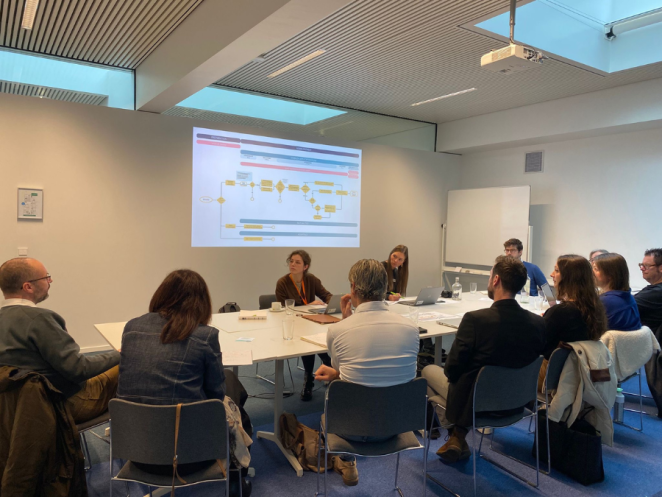
Belgium's digital health landscape
Belgium has a strong but complex healthcare system. Hospitals often invest a lot of their own resources in digital health solutions (DHS), from staff training to patient follow-up, but the benefits often fail to outweigh these substantial investments. Funding and incentive structures remain fragmented, and both care providers and citizens face operational and digital literacy barriers. Workshop participants highlighted that reimbursement pathways remain difficult to navigate. In Belgium, reimbursement is linked to recognised care pathways rather than to technology itself, but SMEs often lack a clear overview of how DHS can be integrated, assessed, and reimbursed within those pathways. DigiH4A aims to bridge the implementation gap for European SMEs across Belgium and beyond by focusing on reimbursement models, market access, and new cost–benefit analysis methods.
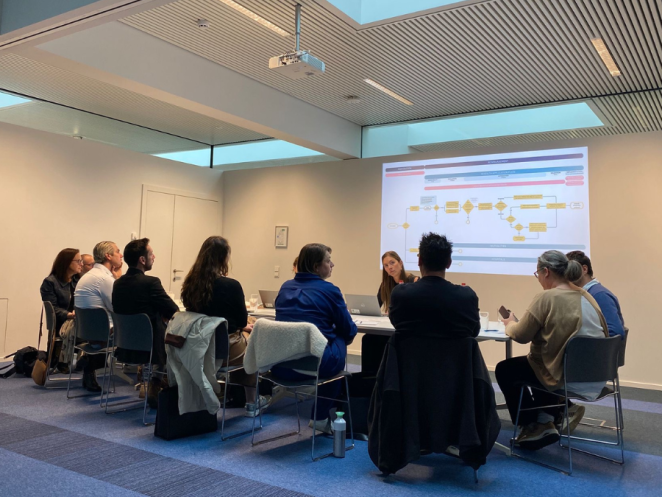
Where digital health stalls in Belgium
The half-day session began with a short presentation on DigiH4A, followed by a Belgium-specific seminar on market access, and a workshop on reimbursement. Participants examined barriers to scaling DHS, from limited access to clinical datasets and patient and care provider readiness, to the operational burden on hospitals. The workshop also explored Belgium’s reimbursement system, facilitated by NIHDI and a multidisciplinary team that jointly decides which digital solutions are reimbursed. However, participants also noted that transparency around decision-making and timelines often stalls at the multidisciplinary team level. This raised concerns about how decisions are made or the absence of relevant stakeholders needed for balanced evaluation.
Key challenges identified included:
- Funding and incentives: Fee-for-service models discourage care providers from adopting digital solutions that reduce billable activities, keeping prevention and mental well-being underfunded.
- Data and evidence: Access to large, standardised datasets is limited, making clinical evaluation difficult and evidence generation a challenge for SMEs.
- Adoption and workflow: Integrating DHS requires guidance and workflow adaptation, placing a burden on healthcare staff. Patients often require support to engage meaningfully with digital tools.
- Procurement uncertainty: Without a clear framework defining goals and expected value for DHS, hospitals hesitate to procure digital solutions, and SMEs face unpredictable pathways.
- Reimbursement complexity: Limited clarity and consistency in reimbursement pathways create uncertainty for both hospitals and SMEs.
Yet participants also identified opportunities:
- Incentive-aligned care: Policies could promote care quality over volume and hybrid care models integrating digital and traditional nursing.
- Patient-centred design: Low-threshold access and personal contact remain key to building trust and improving adherence. Guided interpretation of data and managing expectations can support this.
- Data access and collaboration: The European Health Data Space (EHDS) and new data compensation models could support SMEs and healthcare providers in generating evidence and scaling solutions.
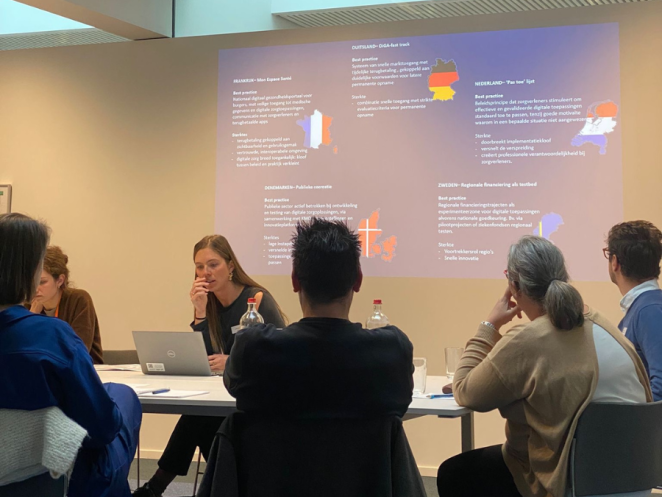
Reflections and next steps
The seminar reinforced a central insight: digital health adoption in Belgium is blocked more by systemic structures than by technology. Personal contact, clear communication, and guidance are essential for both patients and providers, while policies and funding models must evolve to enable sustainable implementation. The reimbursement discussion further underscored that transparency, consistency, and stakeholder inclusion will be essential to unlock wider adoption of digital solutions.
For DigiH4A, these insights will feed directly into upcoming pilots, including: simplifying evidence requirements, supporting healthcare providers in implementation, emphasising digital health literacy for patients, and testing incentive-aligned approaches. The seminar also confirmed a broader need across the North Sea region: better data access, clearer frameworks, and patient-centred strategies are crucial to making digital health work for all.
We’d love to hear from you! Get in touch.