

The DigiH4A partnership recently gathered in Lille to push the project into its next phase — shifting from high-level planning to the hands-on production of tools that healthcare systems, SMEs, and public authorities can use in practice.
The Lille meeting marked a decisive step toward achieving DigiH4A’s core mission of removing the real-world barriers that prevent proven digital health solutions from being adopted at scale. Among the key components of this mission that were discussed in Lille were the steps that would allow the project to move closer towards its “North Star”: a future where a digital solution validated in one country can more easily cross borders and adapt to local reimbursement pathways.
Every method, model, and guide developed in the project is being shaped with a clear product–market fit in mind, ensuring that “takers” — hospitals, solution providers, and national health actors — can apply results directly. This approach closely aligns with the Interreg North Sea Take Up strategy, which prioritises outputs designed for long-term adoption rather than short-lived pilot activity.
Pinpointing stakeholder needs
The meeting opened with a deep dive into insights gathered from stakeholders across participating countries. Rather than relying on assumptions about market needs, partners drew on desk research and direct feedback from healthcare providers, authorities, and companies. The goal was to identify shared priorities across regions while recognising country-specific requirements that cannot be compromised.
These insights now form a prioritised list of stakeholder needs that will guide the project’s work until completion, ensuring that forthcoming tools and methods respond to real-world requirements rather than theoretical assumptions.

Building the cost-benefit model
One of the flagship products under development is the DigiH4A cost–benefit model: a practical tool designed to quantify how digital health solutions create value. In Lille, partners explored how impact can be measured at multiple levels — from individual patients, to hospitals, to national healthcare systems.
Building on existing best practices, the model will define clear categories such as clinical outcomes, workflow efficiency, and economic resource use. This will give implementers and decision-makers a shared evidence framework with which to assess whether a solution is worth investing in.
Mapping the route to access healthcare markets
Getting a digital health solution into a healthcare system remains notoriously complex. Partners reviewed a market access framework that maps the journey from an SME’s initial idea to full-scale national deployment. The discussion focused on the critical pillars every solution must address to reach a decision point: legal and ethical compliance, technical integration, organisational readiness, and financial feasibility.
This map will serve as a diagnostic tool, helping solution providers and public actors understand where they sit in the system — and what forces they must influence to move from pilot to sustainable implementation.
Tackling the realities of reimbursement pathways
Reimbursement remains one of the most significant adoption barriers — and a central focus of DigiH4A. In Lille, partners advanced work on a Reimbursement Action Pathway, examining how countries such as Belgium, Germany, and France are developing fast-track mechanisms for digital health, while other systems such as Denmark or Sweden tackle ongoing fragmentation and structural complexity.
Discussions centred on a shared “North Star” vision: a future where a digital solution validated in one country can more easily cross borders and find a sustainable route to payment elsewhere. This work directly feeds into DigiH4A’s ambition to turn reimbursement complexity into practical, navigable guidance for innovators and health authorities alike.
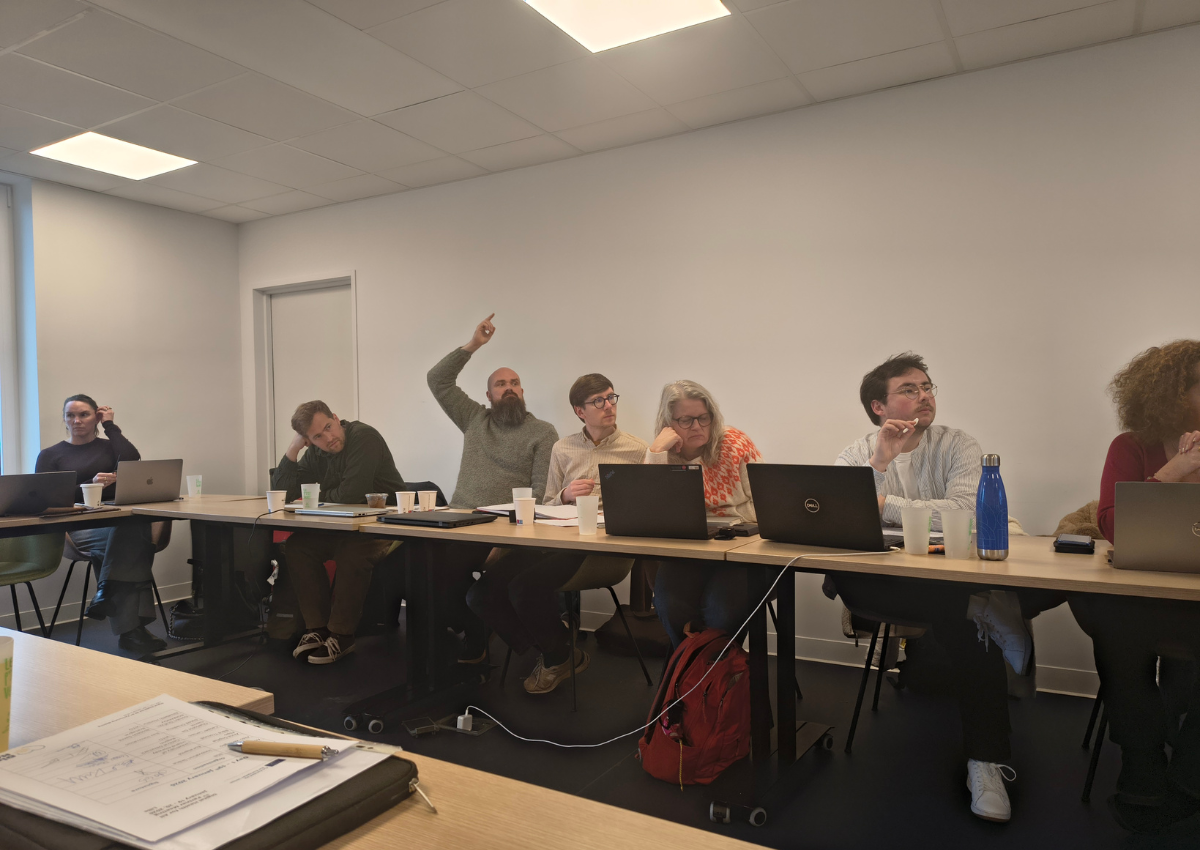
Real-world cases as vessels for success
Partners also checked in on the specific healthcare cases they are each focusing their efforts on in their countries. This includes heart failure in Sweden and France, mental health disorders in the Netherlands, COPD in France, the Hospital@home programme in Sweden and chronic backpain in Denmark. These cases remain the primary vessels for testing the products developed through DigiH4A. From remote monitoring to specialist collaboration tools, these cases act as real-world testing grounds for DigiH4A’s methods and models, generating the evidence needed to prove which solutions work best in real-world contexts.
A recurring challenge identified in Lille was the familiar “pilot cliff”: what happens when short-term funding ends. To counter this, partners are embedding reimbursement and sustainability planning into their healthcare cases from the outset — ensuring that successful pilots have a viable path to long-term adoption.
Setting DigiH4A pilot standards
Finally, the partnership agreed on what it means to be a DigiH4A pilot. Since the project delivers intangible yet powerful products — such as evaluation methods, market access tools, and reimbursement guidance — partners set clear criteria for participating SMEs. Priority will be given to companies with high solution maturity and ambitions to scale internationally, ensuring that every pilot directly contributes to making digital health adoption faster, easier, and more sustainable.
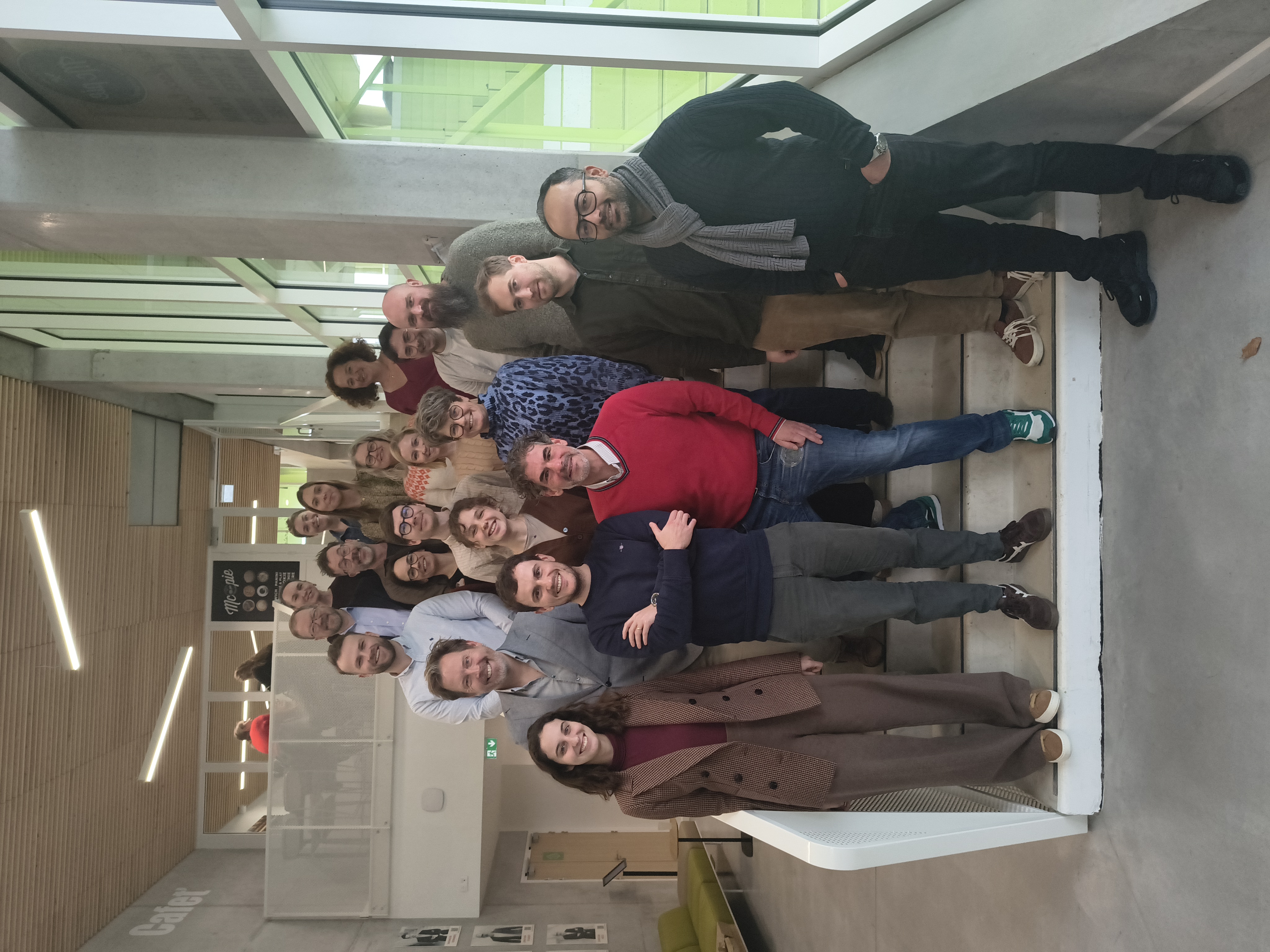
The Lille meeting marked an important step in translating DigiH4A’s strategic ambitions into concrete, usable products. By aligning stakeholder needs, developing practical tools, and testing approaches through real-world cases, the partnership is laying the groundwork for more sustainable digital health adoption across participating healthcare systems.
Want to get in touch with the team? Send us an email!