

From 29–30 October, the Digital Kiosks partners met in Hamburg, Germany for our third partner meeting. With the project now entering a crucial stage of pilot deployment, with four of the 22 sharing-station pilots already live and the remaining 18 preparing to launch in the coming weeks and months, it was a timely moment for the consortium to come together, check in on progress, and support one another as they move towards the successful rollout of the next stations.
A big thank you to our hosts from Hamburg's Wandsbek District for the warm welcome and for facilitating such an inspiring and productive set of meetings!
Day 1: Getting up to speed and seeing the sharing model in action
Partners began by bringing one another up to speed on the current status of their pilot deployments: the successes they are proud of, the challenges they are facing, and what they hope to have achieved by the next partner meeting. Even with diverse local contexts, several shared themes quickly emerged:
Cross-department coordination
Many cities are still navigating complex internal structures. Different budgets and priorities across departments make it difficult to move fast, yet cross-departmental synergies also bring fresh ideas and capabilities that strengthen delivery.
GDPR and data management
Data requirements remain a significant time investment and operational challenge. Partners expressed appreciation to Vesthimmerland Municipality for organising an online session that helped clarify GDPR requirements and how to approach them.
Operations and responsibilities
Several partners questioned whether day-to-day operations can realistically stay in-house in the long term, noting the potential benefits of collaborating with external operators to reduce administrative friction.
Time invested in pilots
Pilot deployment has proven more time-intensive than expected. Partners reframed this effort as essential groundwork for future, larger-scale deployments - not only for sharing stations but also for other innovations needed to build smarter, more sustainable cities. Every hurdle overcome now is one cleared for future urban innovation.
Business model development
Across the board, partners emphasised that long-term sustainability relies on solid business and operating models. This will be a key area of focus for the project in the months ahead.
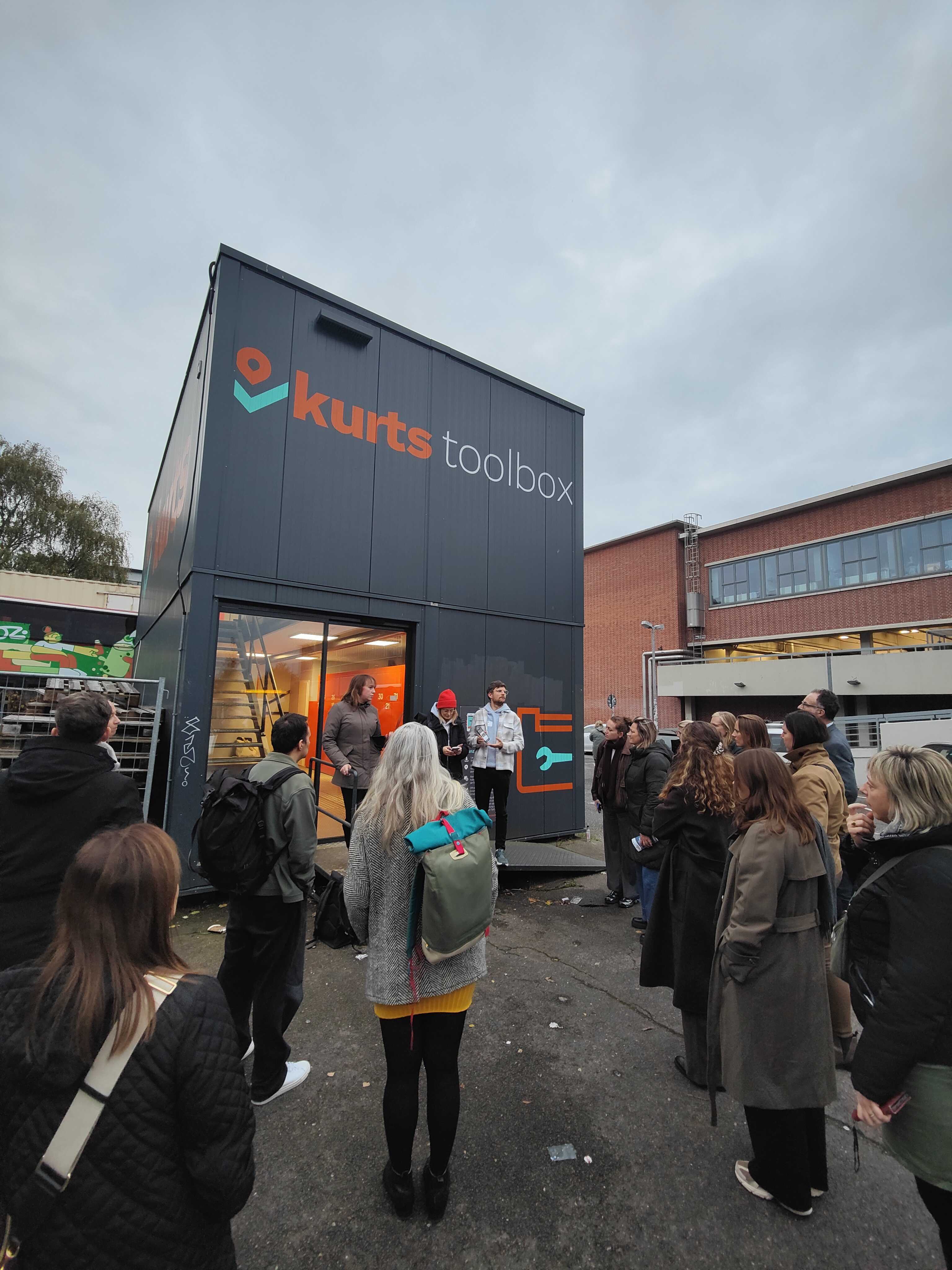
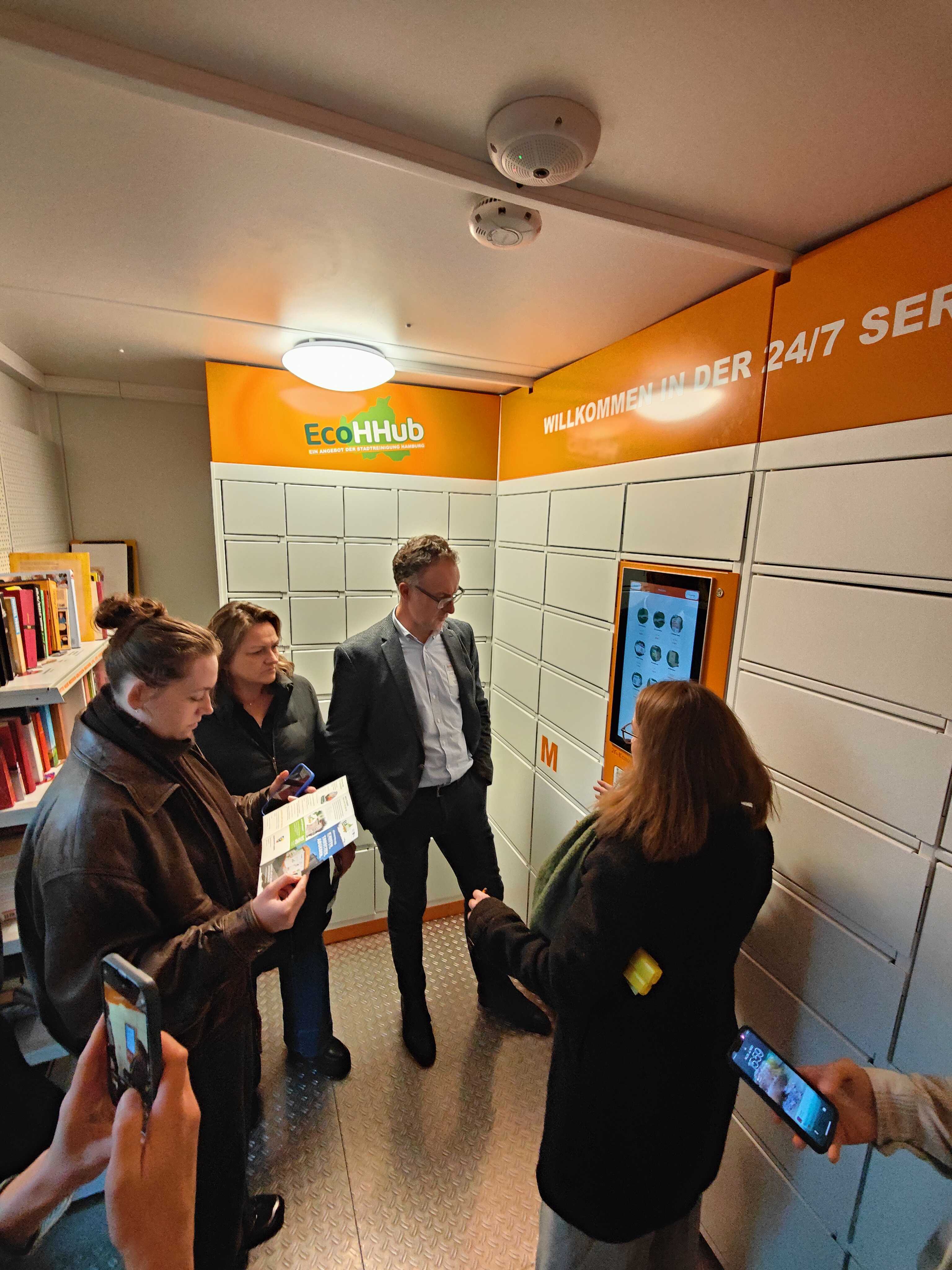
The first day ended with site visits to EcoHHub and Kurts Toolbox, two self-service locker concepts that already allow Hamburg residents to borrow practical household items or rent DIY tools via a pay-per-use model. These visits offered concrete inspiration and showed how sharing services are reshaping consumer habits and business models in Hamburg.
Day 2: Visioning the future and embedding access in public policy
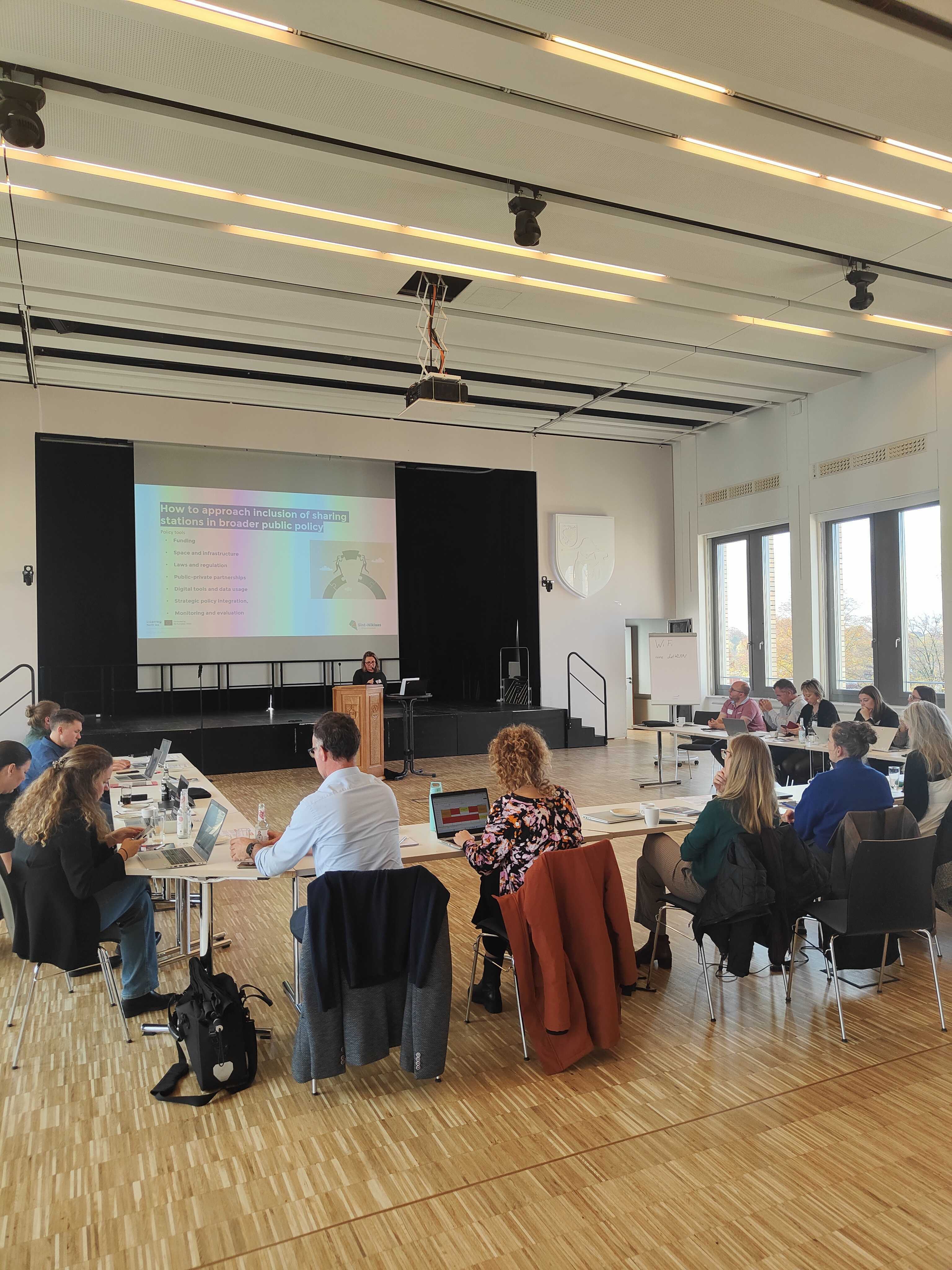
Day 2 began with official greetings from the Mayor of the Wandsbek District, underscoring strong political support for the Digital Kiosks project and for European cooperation more broadly.
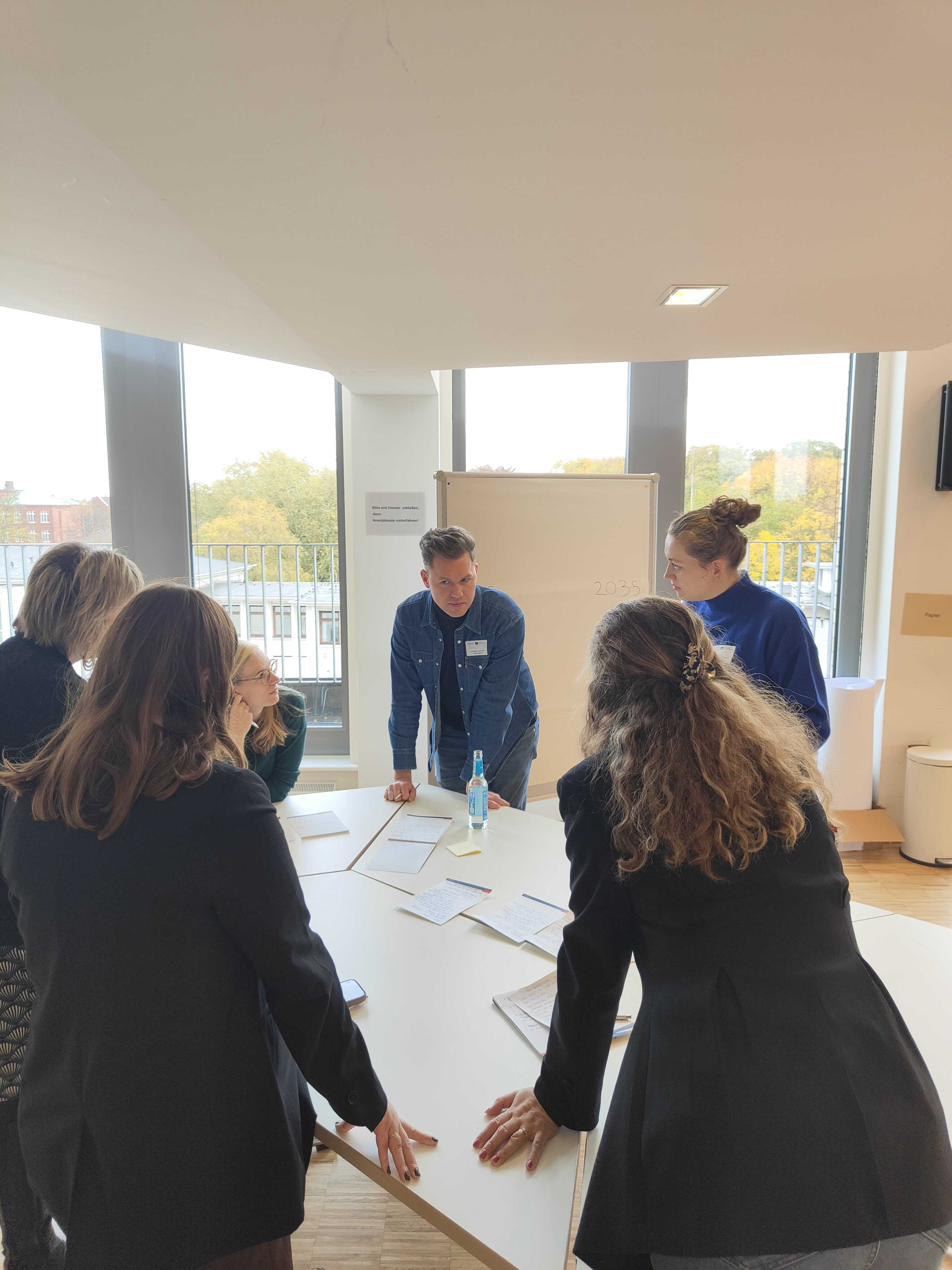
Partners then participated in a foresight exercise to imagine what the access economy could look like in 2035. Their shared vision was a city where borrowing becomes as routine as choosing whether a coffee is “to stay or to go,” and where sharing is woven directly into consumption patterns, city planning and business models.
Emerging priorities
Four key priorities emerged from the meetings for the next stage of pilot deployment:
User adoption & satisfaction
The importance of building awareness early through clear “how it works” communication and visible on-site cues was emphasised, alongside the value of keeping the item catalogue flexible and seasonal, and of reducing friction for first-time users to encourage confident uptake.
Operational clarity
Moving forward, partners must work on clearly defining responsibilites across operations, maintenance and communications - including through simple Service Level Agreements (SLAs) with the different actors and providers involved.
Evidence & iteration
Partners will need to focus on tracking a small set of KPIs, such as uptake, first-time use and repeat use - and react to results quickly to make rapid, iterative improvements, particularly during the pilot phase.
Partnerships
Engaging internal departments early to ensure buy-in and support will continue to be a priority. Partners should also further explore collaborations with local operators and social-economy actors for sharing station maintenance and outreach.
We look forward to sharing news of the next Digital Kiosks sharing station deployments in the coming months!