

©: CIEM
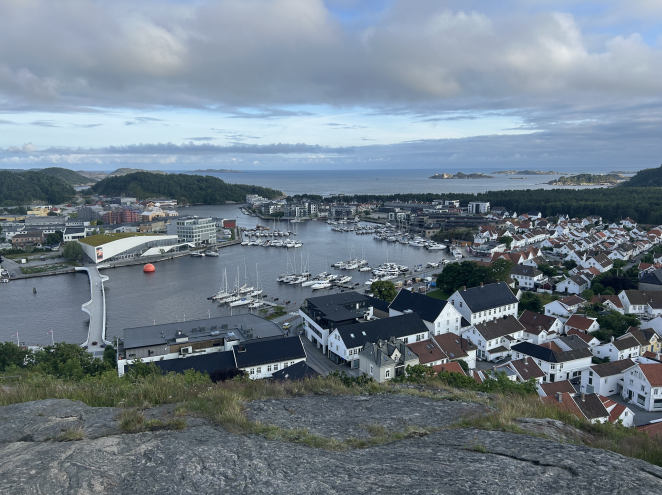
About the area
Flood risks in this area
In 2017, parts of Southern Norway experienced approximately 287 millimetres of rainfall over a 60-hour period. Although this event was not classified as extreme, it resulted in significant physical damage. The extent to which a flood event escalates into a crisis is strongly influenced by human factors. Human activity contributes to contemporary climate change, and societal choices determine how well communities prepare for and respond to such events.
Southern Norway exemplifies several of these challenges. The region is highly attractive, and its urban areas are experiencing population growth from both domestic and international migration. This trend has increased demand for new housing. Urbanization is a global phenomenon, and the pressure to develop land near cities is evident worldwide.
Contemporary urban development must account for projected sea-level rise associated with climate change. In addition, developers and authorities must consider flood risk when planning residential areas, public infrastructure, and industrial zones.
However, the 2017 flooding in Southern Norway primarily affected established settlements rather than newly developed residential areas. For instance, Drangsholt (an area with long-standing habitation) was significantly impacted.
Contribution of the FIER project to this area
The above underscores the importance of effective risk communication in existing communities. When severe weather events occur, there may be a delay of several hours or even days before official emergency responses are fully mobilized. In contrast, local residents often act immediately, as demonstrated in Southern Norway, where community members quickly used boats to assist those affected.
In response to these challenges, FIER aims to contribute to the strengthening of local flood resilience in Southern Norway by preparing improved crisis communication and volunteer guidelines.