

Citizen adoption and service synergy – in this “Inside the Hubs” episode, we take a closer look at the experiences with the multifunctional boxes installed in the pilot area of the city of Aalborg.
Pilot Area: Aalborg | Partner: City of Aalborg
Over the past two years, Aalborg has seen strong citizen uptake of its 48 multi-functional boxes. What began as a simple solution for hazardous household waste has gradually evolved into a broader service platform. After the initial rollout, textile collection was added, followed by the distribution of waste bags to food waste and residual waste. Each new service has strengthened the others.
Data shows that usage increases across all functions whenever a new option is introduced, and around 60% of users make use of multiple services during the same visit. The combination of “drop‑off” and “pick‑up” options clearly resonates with residents.
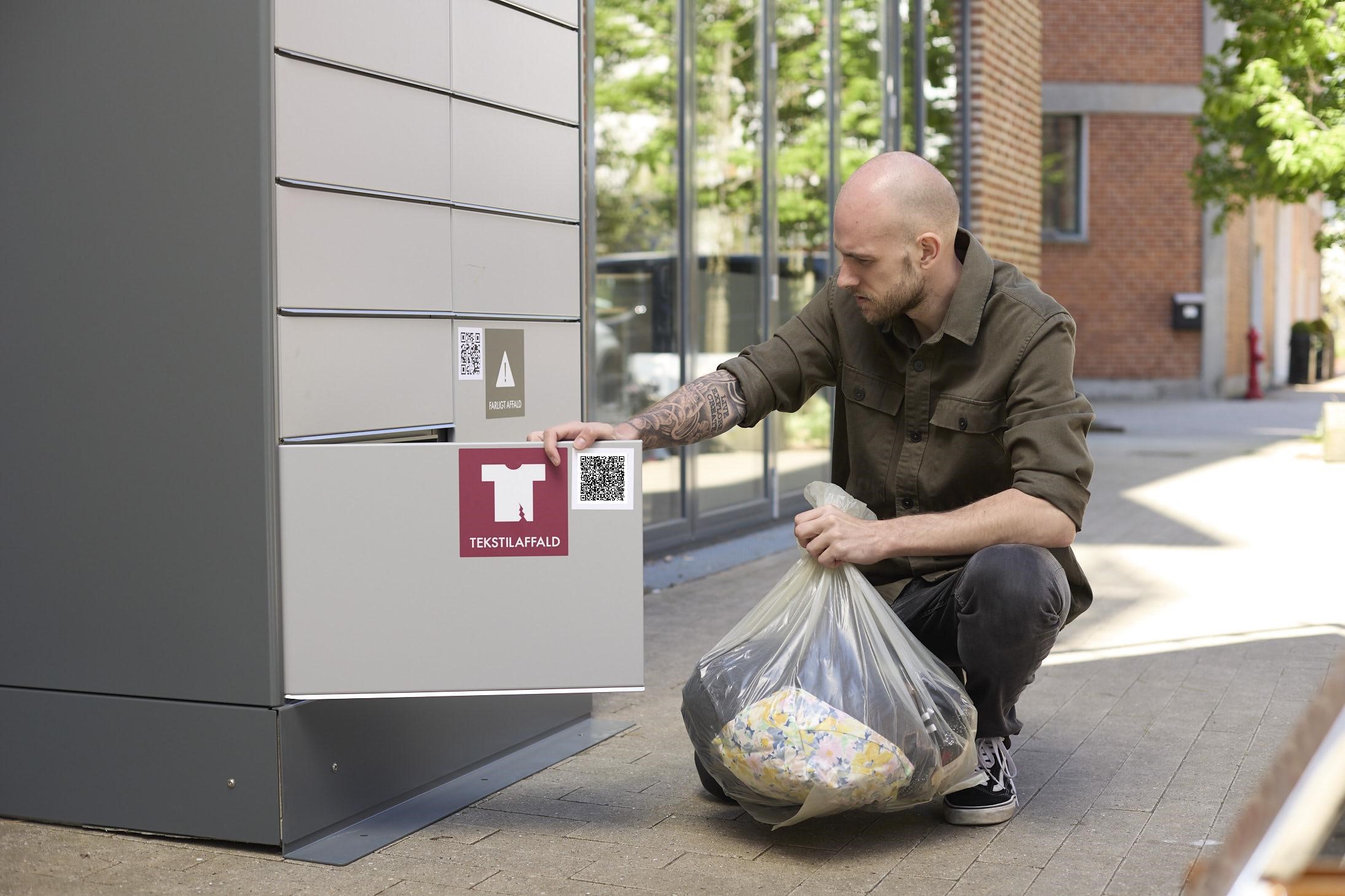
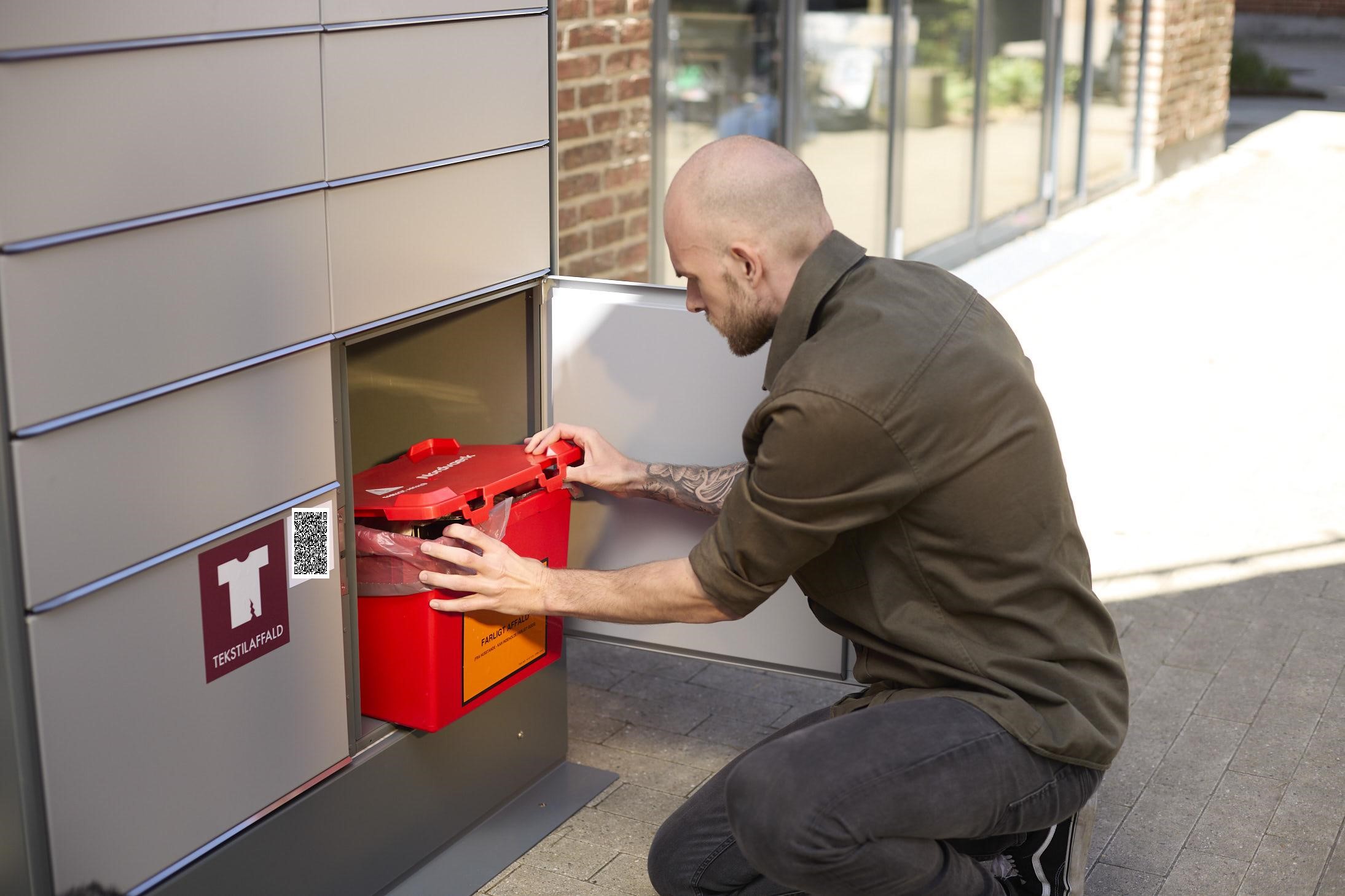
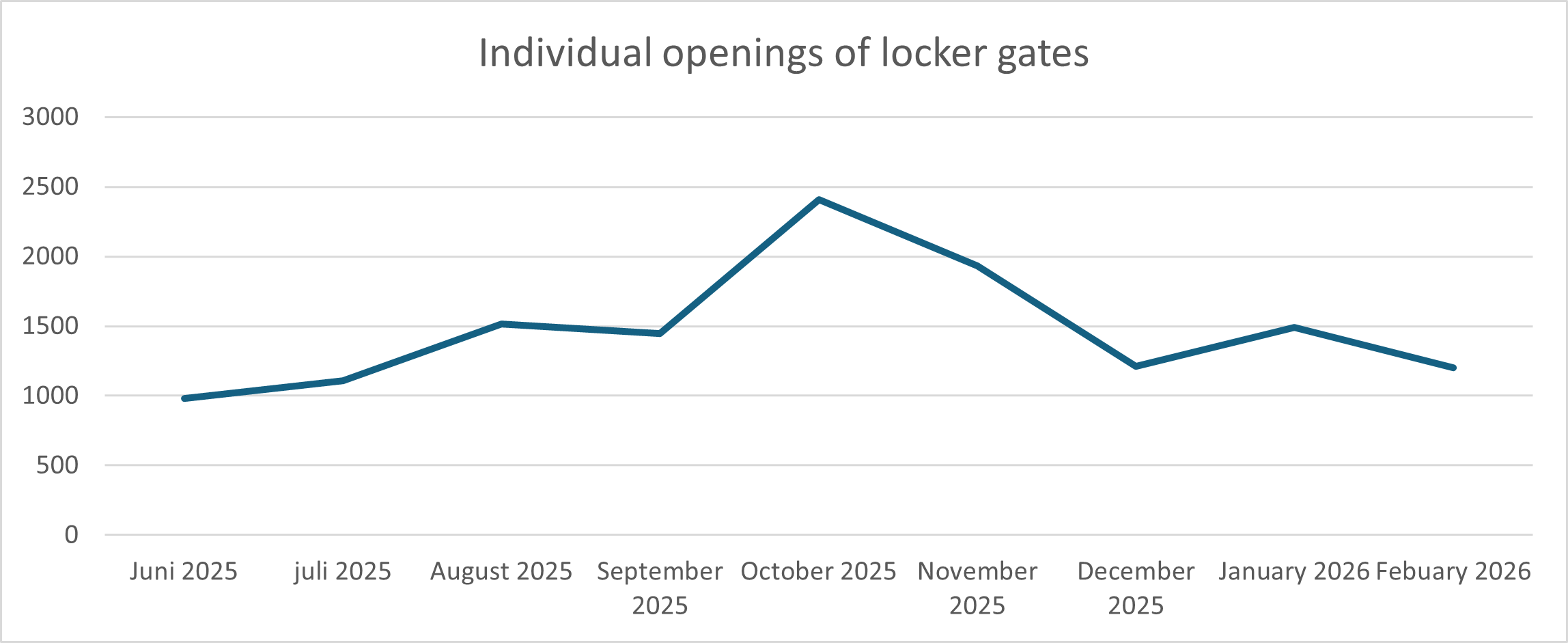
Communication has been a decisive factor. Aalborg has cooperated with housing associations, city accession, social media district groups, the local waste company, educational institutions, local media, and the municipality’s own channels. This broad, multi‑actor communication effort has proven highly effective. Every time there is communication about the boxes, usage rises noticeably. (See user data from October 2025 where there was a lot of communication)
Operationally, the system has integrated smoothly into existing routines. Emptying and refilling the boxes is handled as part of routes that already serve other tasks, meaning only minimal additional driving is required. With some planning, this approach has worked exceptionally well.
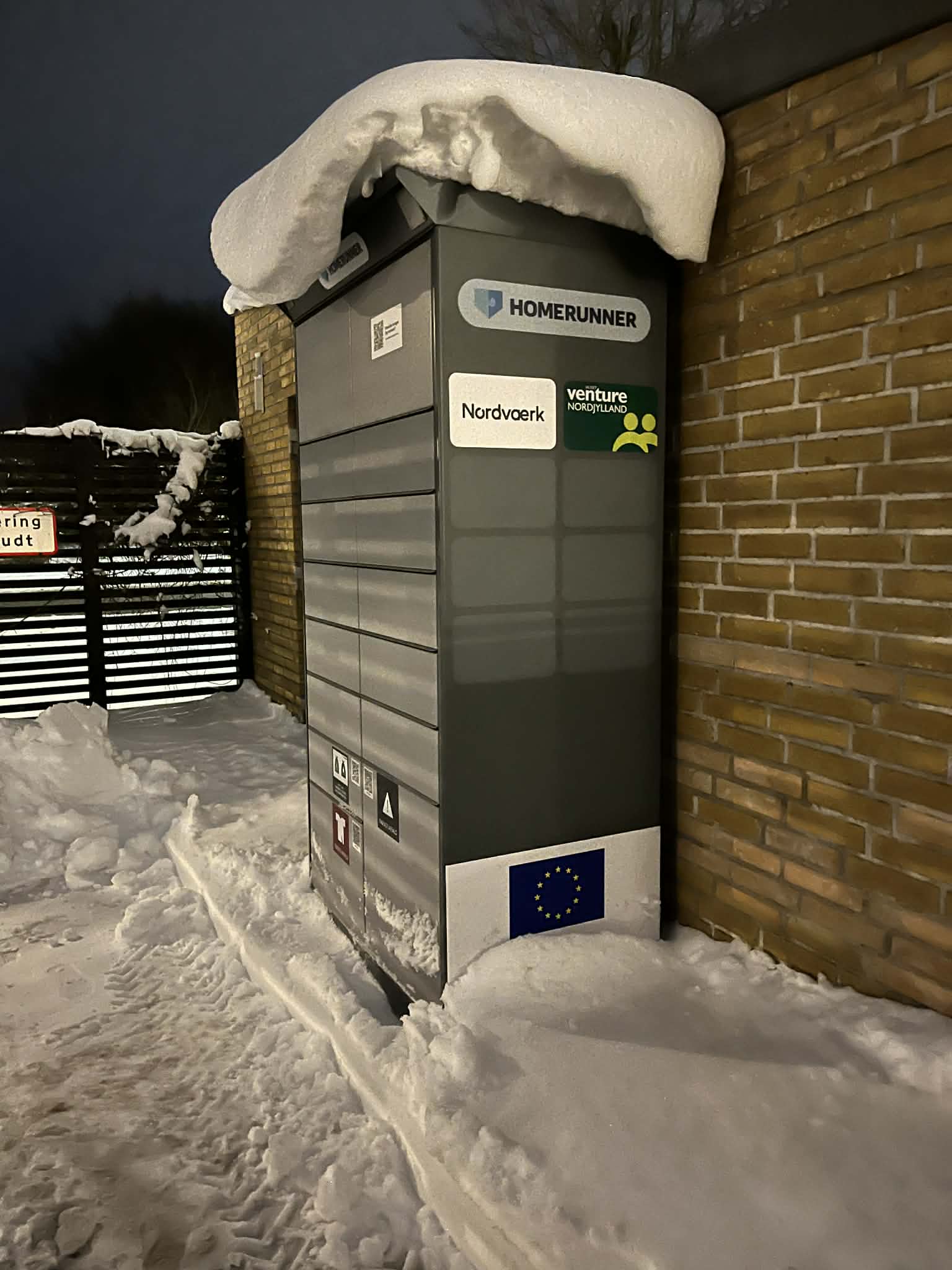
After two full years in operation, the boxes have been tested by all seasons and all kinds of weather — including heavy snow. They have remained fully functional, and Aalborg has not experienced vandalism or inappropriate disposal of hazardous waste in the surrounding urban space. These were key concerns during the initial risk assessment, and the experience so far shows that the solution is both robust and reliable.
Aalborg’s results demonstrate that multi-functional collection boxes can support more flexible waste handling, strengthen citizen engagement, and operate efficiently when embedded in existing service structures.
The experience also shows that placing the boxes in public space requires taking many factors into account. Considerations include traffic conditions, sightlines, aesthetics, nature protection, and general accessibility. In Aalborg, most installations have been carried out in collaboration with housing associations, placing the boxes on their property. This approach has worked well, and the housing associations are very interested in hosting the boxes, as they see them as a valuable service for their residents.
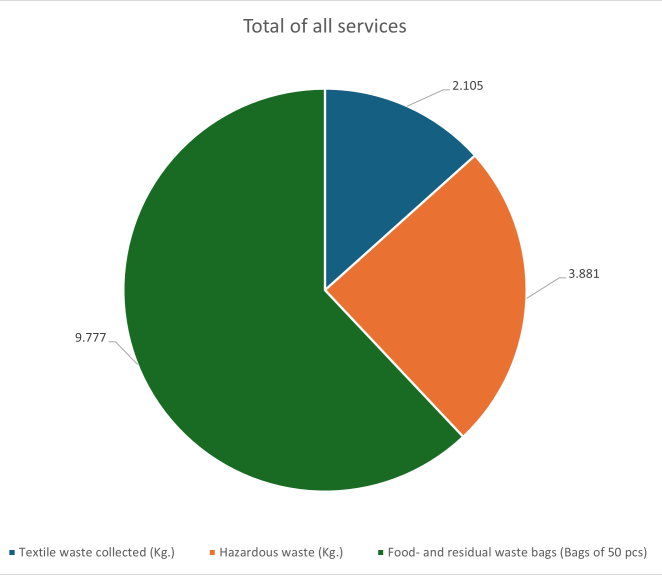
Facts and Figures
- 13.292 individual openings of the 48 boxes since June 2025
- 2,1 tonnes of textile waste were collected in the past six months
- 3,8 tonnes of hazardous waste were collected since June 2025
- Since the start of the project (March 2024), the total amount of collected hazardous waste has been 5.8 tonnes
- Since the bags were first made available in the bins in the summer of 2025, a total of 488,850 green organic waste bags and black general waste bags have been distributed
- 60% of users make use of multiple services in the box
Source: City of Aalborg