

Amsterdam Intertraffic is the world’s leading event on smart, safe, and sustainable mobility. At this year's edition MoLo Hubs was featured in two sessions organised by our project partner POLIS.
POLIS Parking Working Group and Urban Air Mobility Taskforce
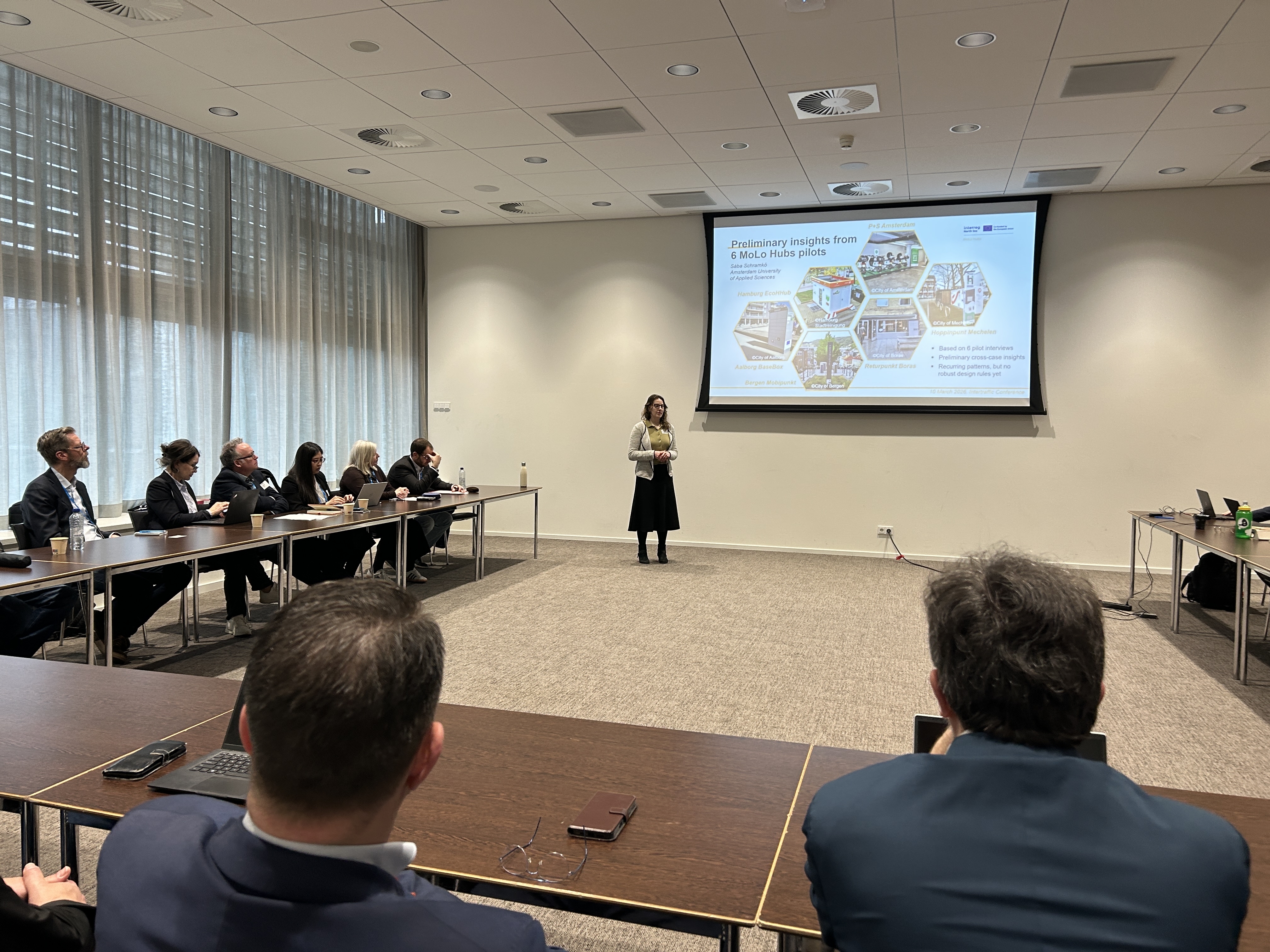
This joint meeting explored the opportunities and challenges related to multi-modal hubs implementation, and their potential to support mobility and logistics services, parking management, public space allocation, access to urban areas, and the integration of Urban Air Mobility (UAM) systems with ground transport.
Multi-modal hubs are physical infrastructures enabling the operation of multiple transport modes. Providing support for both mobility and logistics services, they improve parking management, public space allocation, and access to urban areas. Their governance, implementation and business model require collaboration across many stakeholders. Beyond the traditional applications supported by multi-modal hubs and considering their potential to support different types of mobility services, multi-modal hubs can also represent a key enabler of air-ground mobility systems’ integration. Air mobility services are increasingly seen as a viable option in cities for last‑mile delivery, medical emergencies, and access to equipment transport. Their integration into urban operations requires progress on several fronts, including social acceptance, airspace control, and land‑use planning, leading to the involvement of several authority levels and departments.
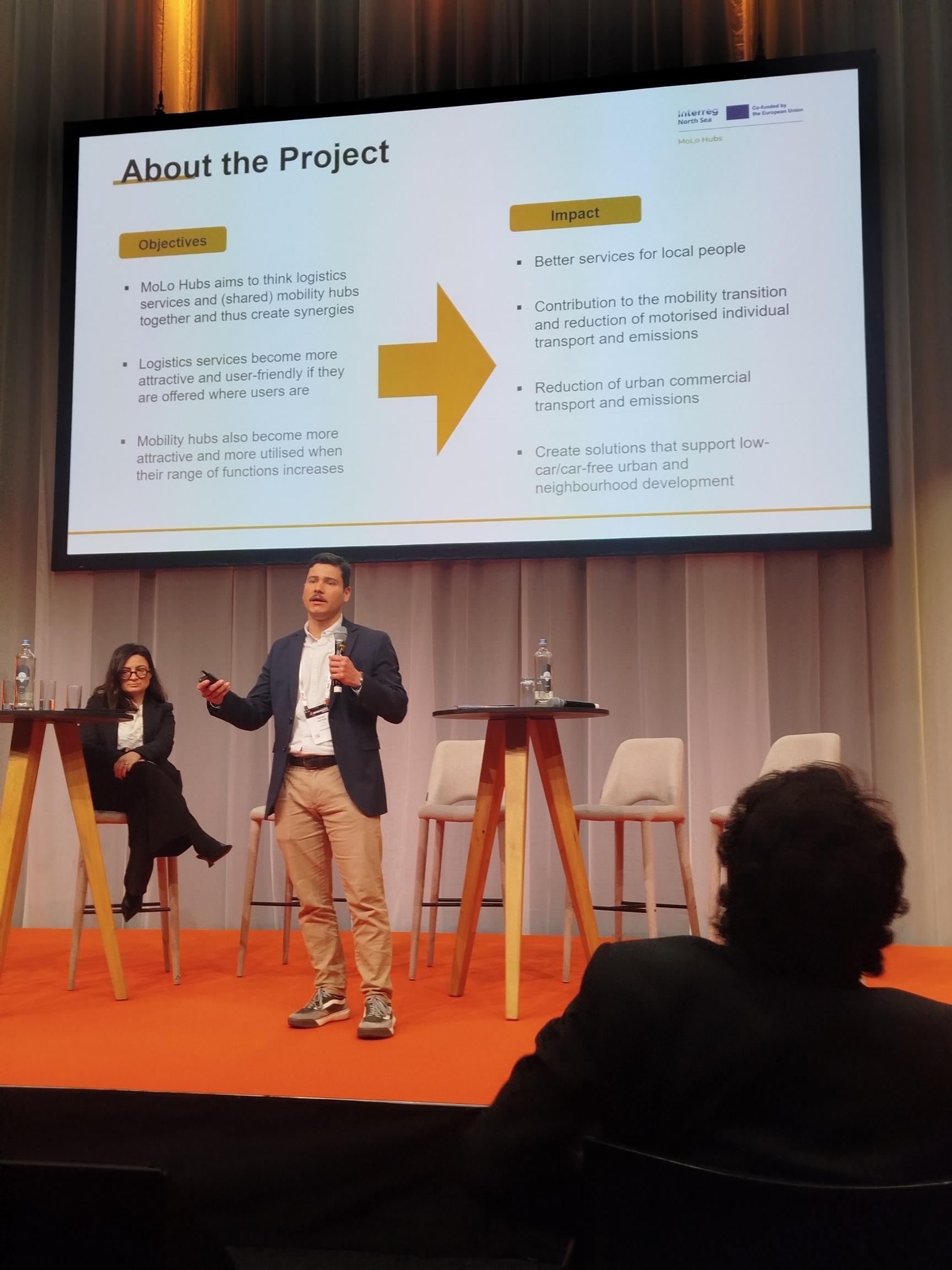
In this context, Daniel Herrera, from POLIS, presented an overview of the project, and Saba Schramko from Amsterdam University of Applied Sciences (AUAS), presented key insights of the project’s research on the topic of spatial planning and city design, focusing on aspects such as parking management and space reallocation when implementing multi-modal hubs. Find out more about the research outcomes in the latest publication from AUAS here >>.
Additionally, together with Amsterdam pilot’s implementation partner SWELL electrical, it was discussed how multi-modal hubs can serve as critical nodes in a connected urban mobility system — bridging the gap between today’s transport networks and the aerial mobility solutions of tomorrow through innovative energy management solutions integrated into the hubs that can support both ground and air mobility operations.
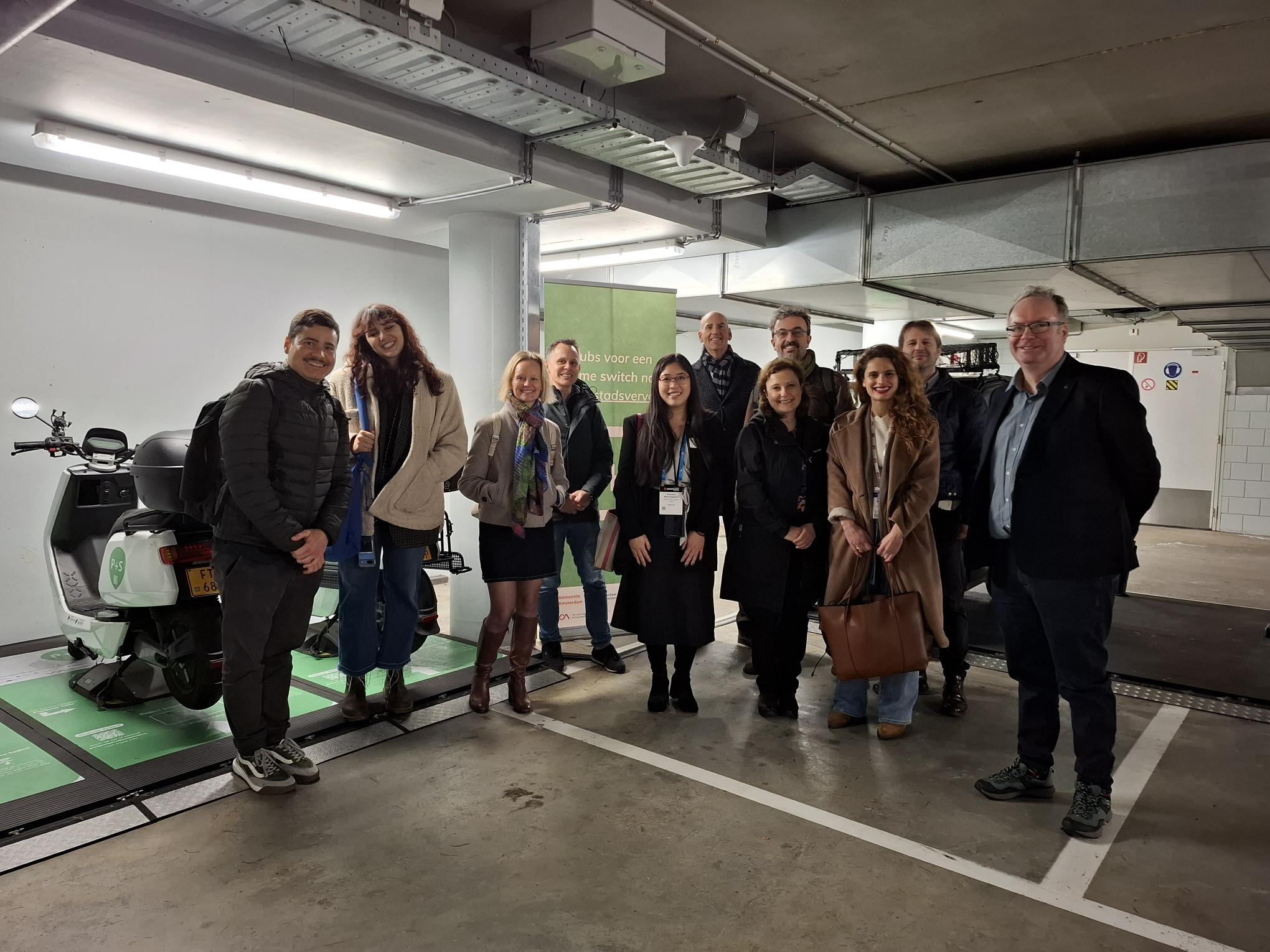
Finally, the meeting ended with a site visit to the Amsterdam pilot led by Frank Ebbink from the City of Amsterdam.
Planning for Logistics Access
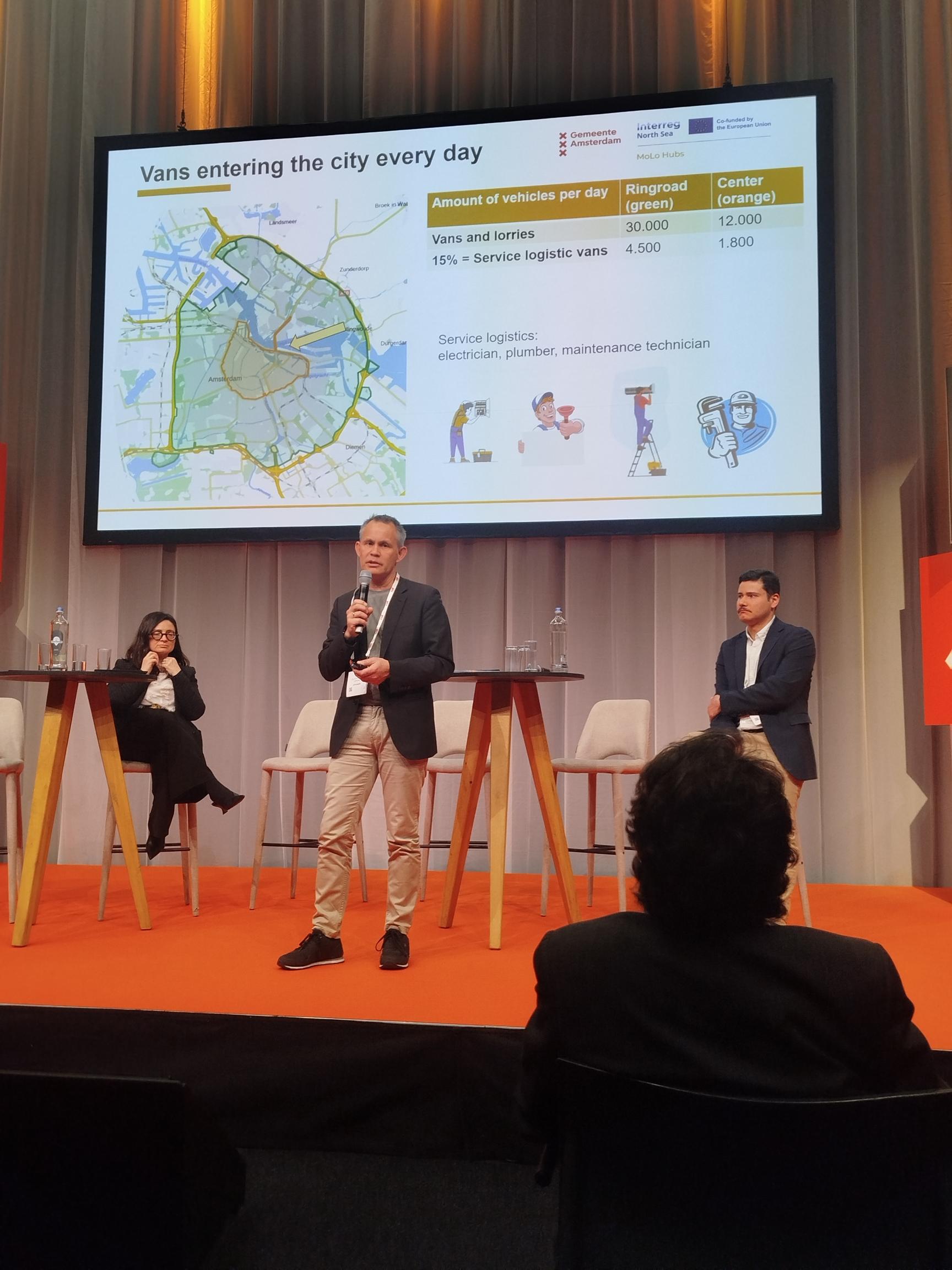
At the conference the MoLo Hubs project also joined forces with the Horizon "UNCHAIN" project in a session focused on more efficient urban logistics through both digital tools and infrastructure. The session explored complementarities between physical urban logistics solutions and data-driven planning approaches. By combining these perspectives, the session enabled a discussion on how local multi-modal hubs pilots can inform wider urban freight strategies and how planning tools can support the scaling and replication of hub-based logistics solutions across European cities.
Frank Ebbink presented the city’s pilot, Park + Switch, which focuses on service logistics. Frank highlighted how the implementation of the P+S pilot has improved the operations of service providers that need to go into the city centre, facilitating access to dense areas, reducing search parking-related costs and parking search times, and facilitating the overall operations of specific service providers.
Read the latest updates from the Amsterdam pilot here >>.
Source: POLIS