

With the Climate Village pilot initiative in Skive (Denmark) nearing its end, residents and local partners gathered for a Climate Exhibition celebrating the projects created over the past year. In total, 25 citizen-led projects were presented, each one funded by the municipality but fully imagined, developed, and driven by citizens. The exhibition served as a reflection on the challenges and achievements of the pilot. The key lesson for the municipality: learn to let go, but know when complexity calls for greater support systems.
On November 16th, Skive’s Climate villages presented this year’s projects at a Climate Exhibition. Twenty-five inspiring green initiatives, each with a budget of DKK 10,000–60,000, were showcased. The Municipality of Skive contributed funding and support for the project, but it is the residents who developed all the ideas and carried the work forward. In total, close to 200 volunteers participated in workshops and activity development! Thanks to this joint effort, citizens were able to create concrete initiatives for a more climate-friendly and sustainable community. The exhibition shows clearly what happens when municipalities allow citizens to develop and lead local climate projects themselves.
In the beginning we were with three people, then we were with six, then suddenly we had 25 project groups with nearly 200 volunteers altogether – and now here we are today, with perhaps 400–500 people who have already been inspired, activated, or learned something new. So, I would say I am very satisfied.
Engaging residents — the first hurdle
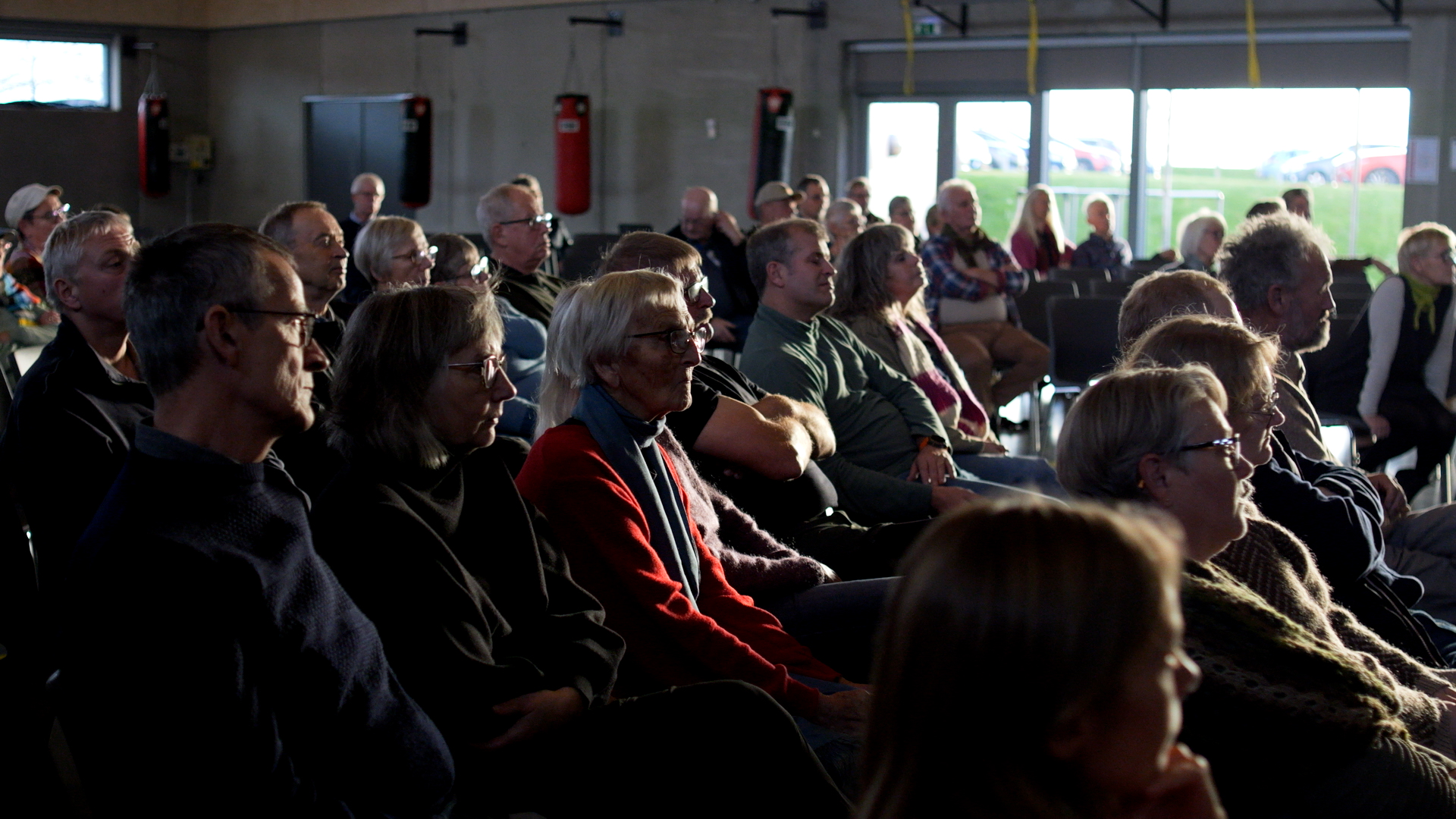
Although the Climate Village pilot was overall a success, it came with its share of barriers —the first one being recruitment. During the event, Karen Refsgaard emphasized that mobilizing the residents of Vestsalling has been the biggest challenge in the entire project.
We thought it would be simpler, but it actually takes a lot to mobilize 3,000 inhabitants.
To get more people involved, the initiators gathered the area’s many associations for evenings of workshops and food. Everyone was given the opportunity to contribute their ideas and diverse perspectives, which resulted in 25 projects, each with their own working group. This allowed citizens to lead and drive the projects they were personally passionate about, which became a turning point for the entire process.
After that, even schools and childcare institutions contributed, leading projects on biodiversity, butterfly gardens, and waste sorting! According to Claus Verner Mikkelsen, one of the Climate Village initiators, this shows how these ideas also spread into everyday life, right down to the grandparents who are now learning about waste sorting from their grandchildren.
It’s been a year at full speed, and so many people have been involved. We can only create this together – that’s the entrepreneurial spirit you find in Vestsalling.
Letting go and entering dialogue — where municipalities stand
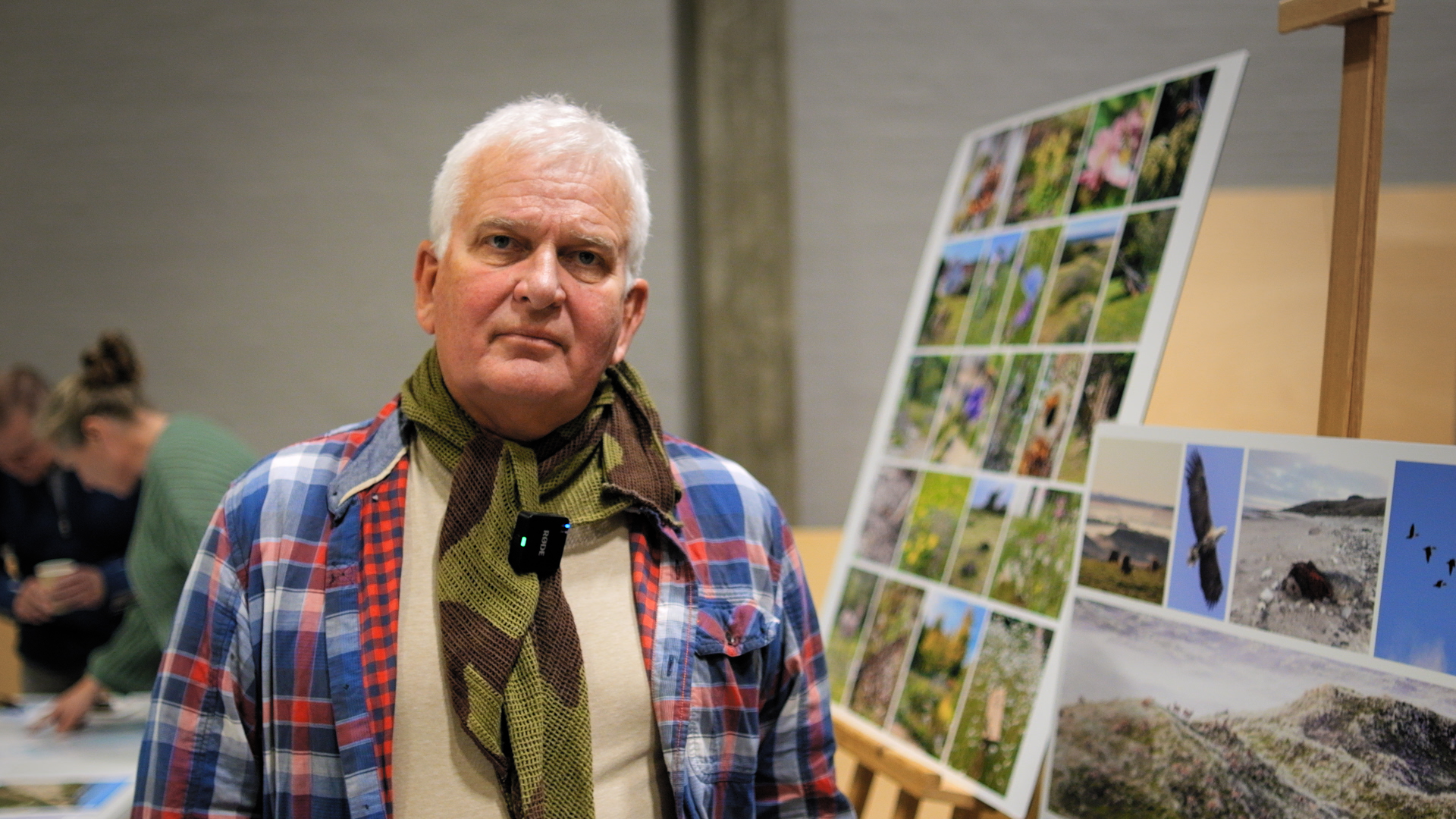
Skive Municipality has followed the project closely. Project manager Signe Bak Jørgensen explained how this pilot project has offered many important lessons, especially when it comes to citizen involvement.
For us as a municipality, it has also been an exercise in trying to let go a little and not seize control when things start to go off track.
Instead of a traditional top-down approach, the municipality has worked in a solution-oriented way and entered into dialogue with citizens whenever cooperation became challenged. This has meant long meetings with steering groups where issues were addressed jointly, adjustments were made, and solutions were found.
Energy Communities — when projects become too complex
Another important lesson has been recognizing when projects become too complex to hand over entirely to citizens. This was the case, for example, with the wish to establish an energy community.
It’s difficult for people to understand the difference between watts and volts, kW, kilovolts, capacity, consumption and transformer stations – there are so many things to learn about electricity.
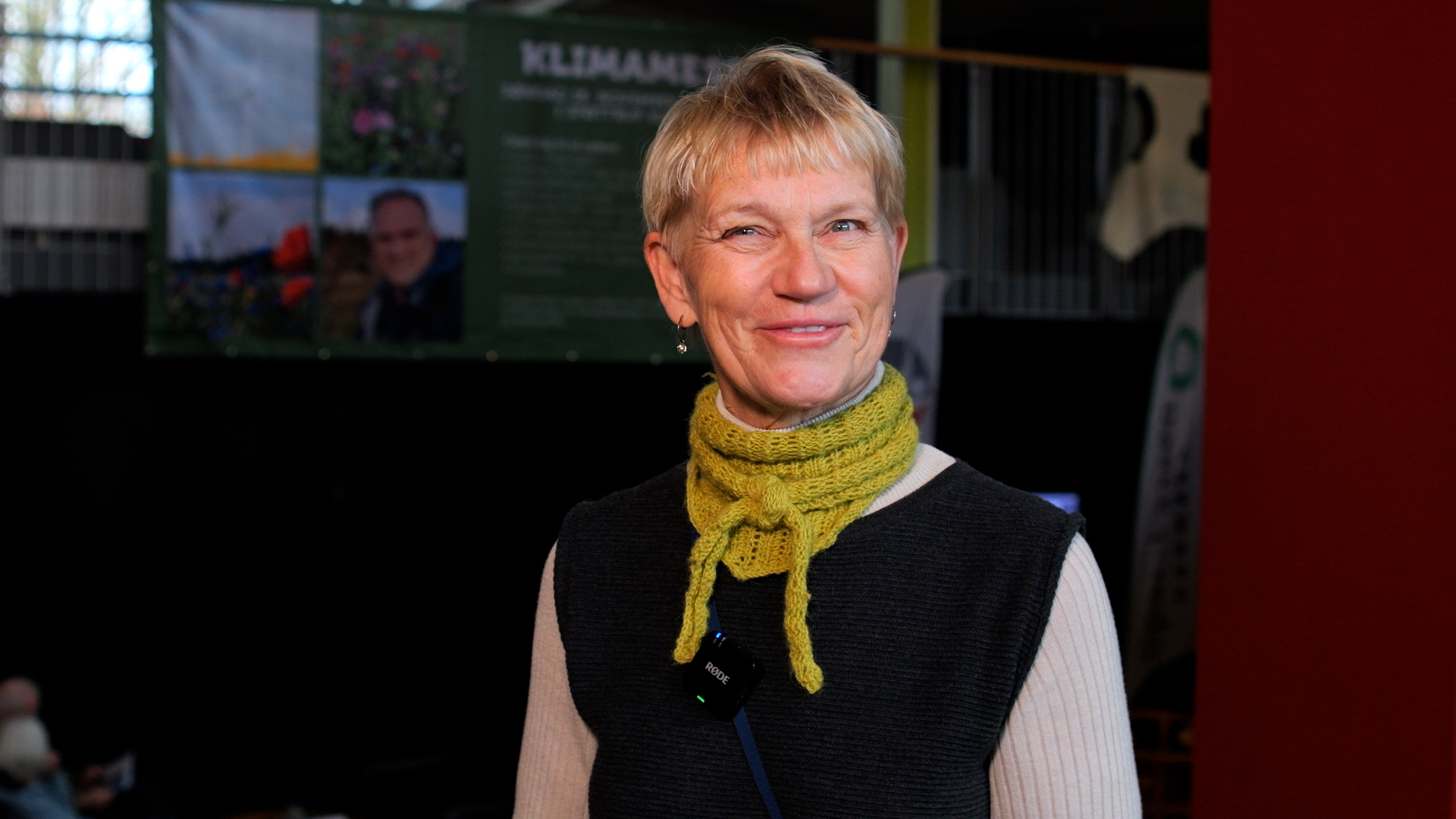
Fortunately, local electricians are now involved in the project. They have the right expertise, know the associations in the area, and understand how things work locally —which, according to Karen, is invaluable and necessary for the project to move forward.
The lesson: citizen-led projects thrive when supported in the right way. With access to networks of local organizations and specialists, even complex challenges can be tackled collaboratively.
We need to get better at assessing when something becomes too difficult. When is it something we can collaborate on – and should we sit at the table, or at the head of it?
What comes next?
Although the pilot period is nearing its end, the enthusiasm it sparked is far from fading. Residents are already exploring new ideas, including:
- continuation of the emerging energy community
- a cohesive trail system from Nymølle to Hostrup
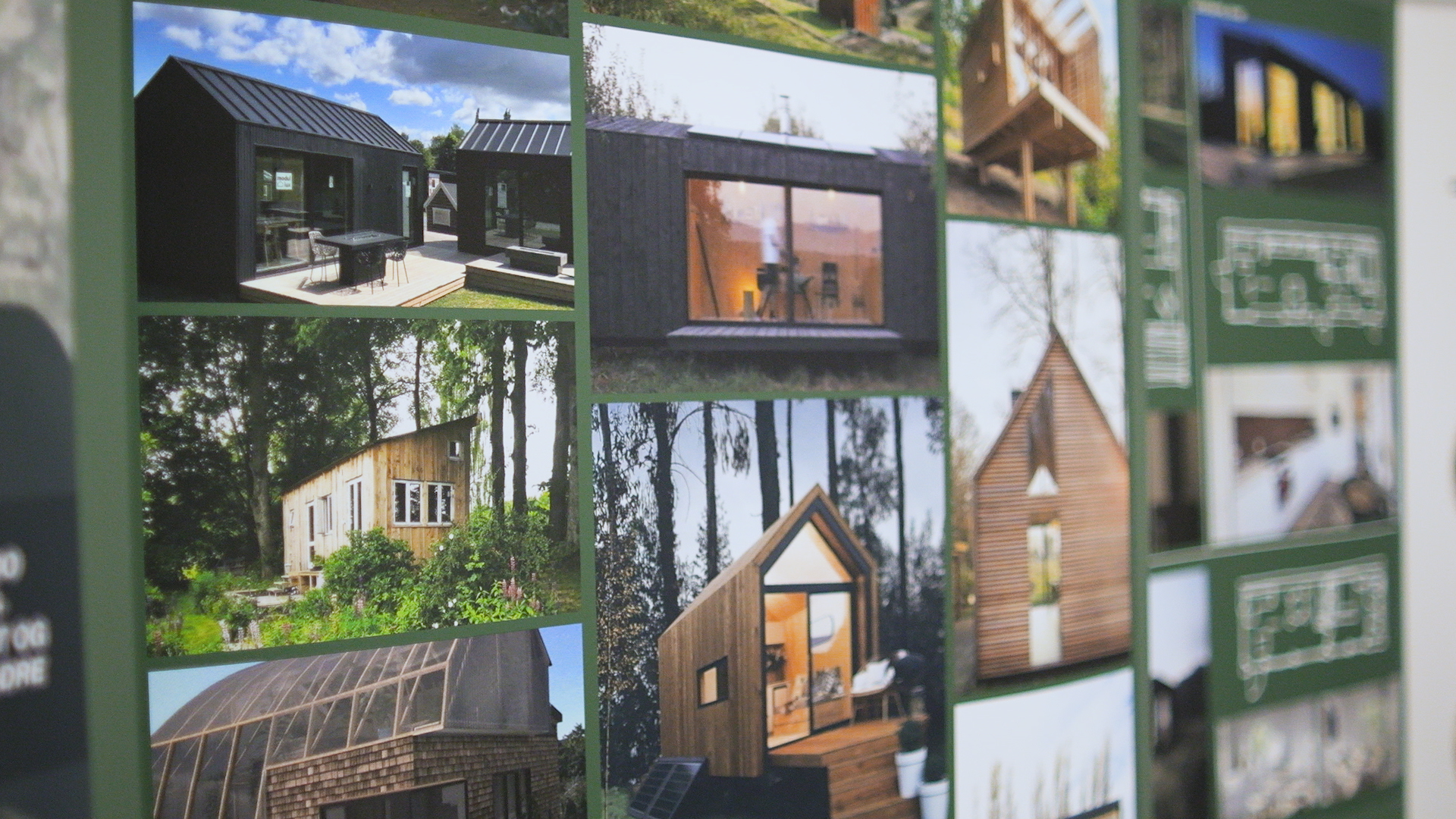
- a tiny-house co-living community
This ongoing momentum shows just how powerful and sustainable citizen-driven climate action can be when people are given ownership and support! Hopefully, this positive co-creation experience inspires other municipalities to follow suit.