

Sterk Hoogkerk, a participatory budgeting project, has been up and running for two years now and getting ready to start its third. This means that, for the past two years, the inhabitants of Hoogkerk (Netherlands) have been dividing €300.000 to local projects. The projects were ideas submitted, voted on, and eventually implemented by inhabitants (with a little help from the municipality of Groningen). Because of this, the projects are by, for, and because of the inhabitants. In this article, we will go through what projects, and type of projects, have been completed, what it has meant for Hoogkerk, and how a participatory budget could be applied in your neighbourhood too. What projects would you want to implement in your neighbourhood?
Origins
Hoogkerk was specifically chosen to pioneer this initiative because of their strong individual identity. Even though they have been a part of the municipality of Groningen for over 50 years and the village and city have merged together, Hoogkerk inhabitants still consider themselves a Hoogkerk inhabitant first, Groningen inhabitant second. So, by enabling them to create their own projects, they can now be a part of the larger municipality while maintaining their identity and still belonging to the Hoogkerk community. And it was a good decision, as we can see by the immense and continued success of their projects.
“There’s a lot of positive energy. That has to do with work ethic. That has to do with the people.” – One of the participants voicing their feeling of identity.
In 2022, the Hoogkerk neighbourhood council, a few municipal employees, and local politicians visited Antwerpen to see how they had implemented their participatory budget project for the past seven years. The trip was so inspiring and the results were so overwhelmingly positive that, when the group returned, everyone wanted to implement it in Hoogkerk as soon as possible.
One of Antwerpen’s pieces of advice was that every participatory budget project should be adapted to the neighbourhood its in. So, the focus of Sterk Hoogkerk was to put the initiative and execution completely in the hands of Hoogkerk and its inhabitants: the ideas were turned in by inhabitants, discussed by inhabitants, and implemented in a way that the inhabitants wanted and that fit within the neighbourhood. Most importantly, the freedom of the budget and the solely supporting role the municipality plays has improved trust in the government and increased the social cohesion in the neighbourhood.
“Inhabitants know really well what they want for their own neighbourhood. If you (but mostly the inhabitants) develop it together something can grow.” – An inhabitant on the collaboration between the municipality and the neighbourhood.
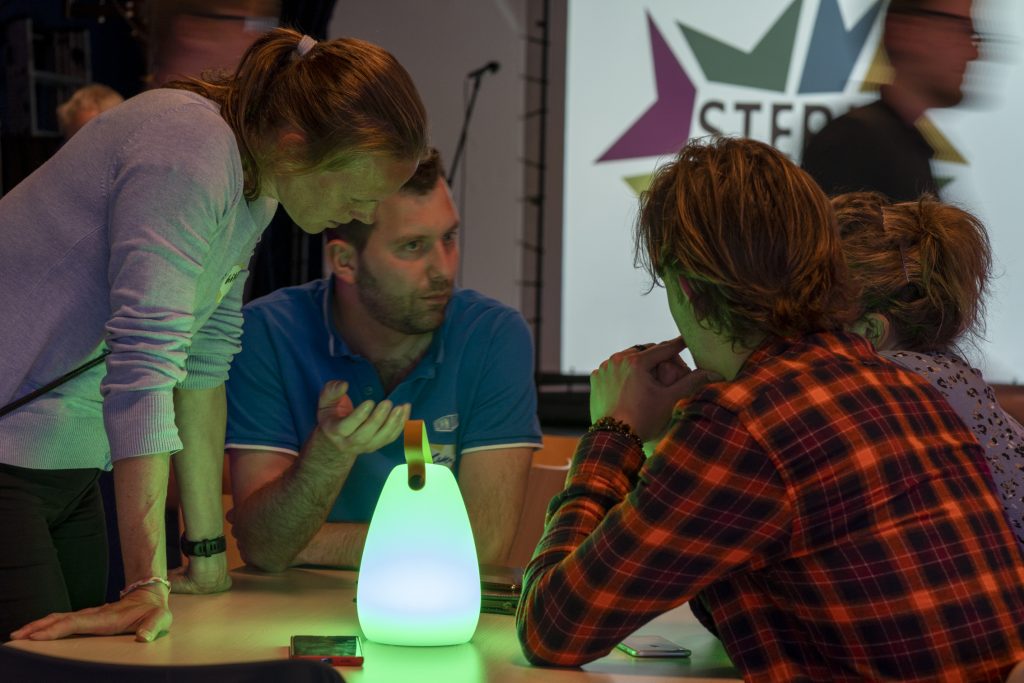
The final voting meeting at the end of 2025.
Execution
At the start of each year, the inhabitants choose four themes they find important, such as safety or nature, that they then divide the money among, alongside a category for ideas that fall outside the themes. After that, ideas get submitted by the inhabitants and voted on. Then, the next year, the chosen ideas get implemented and carried out. As the year 2026 is starting up, Sterk Hoogkerk is getting ready to launch another year of voting and have planned to execute 26 projects chosen in 2025. On their website, they have outlined their agenda for the coming year, which highlights how inclusive the project is for the inhabitants: every step mentions inhabitant input.
The projects
One of Sterk Hoogkerk’s completed projects was submitted by a resident, requesting that two electrical boxes in the neighbourhood be decorated with art. They argued that art makes people happier, it makes them feel safer, and invites less vandalism. To achieve this project, Sterk Hoogkerk worked together with an artist, Sanne Visser, and primary schools. The children created drawings together with Sanne Visser that were eventually placed on 20 boxes in the neighbourhood.
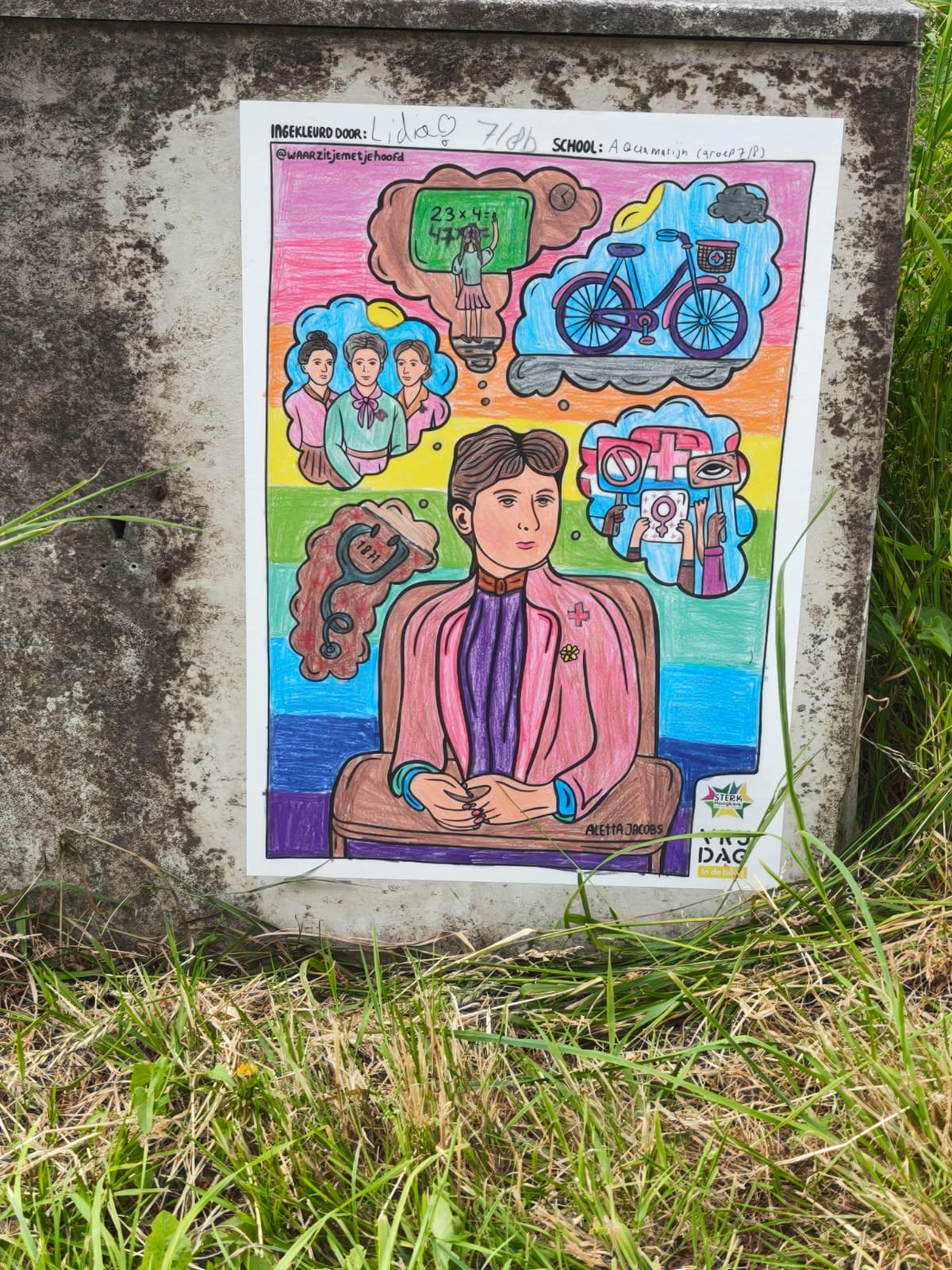
One of the decorated electrical boxes in Hoogkerk, drawn by Lidia.
Another project was submitted by a local restaurant, Gabriël, who requested money to host a Christmas dinner for local, struggling, families. They had been hosting dinners like these for some time, inviting families they had gotten to know over the years and through other organisations, and the food was all prepared by volunteers. They only needed the money for the groceries. When the money was given to them, they hosted a Christmas dinner that fed 190 people.
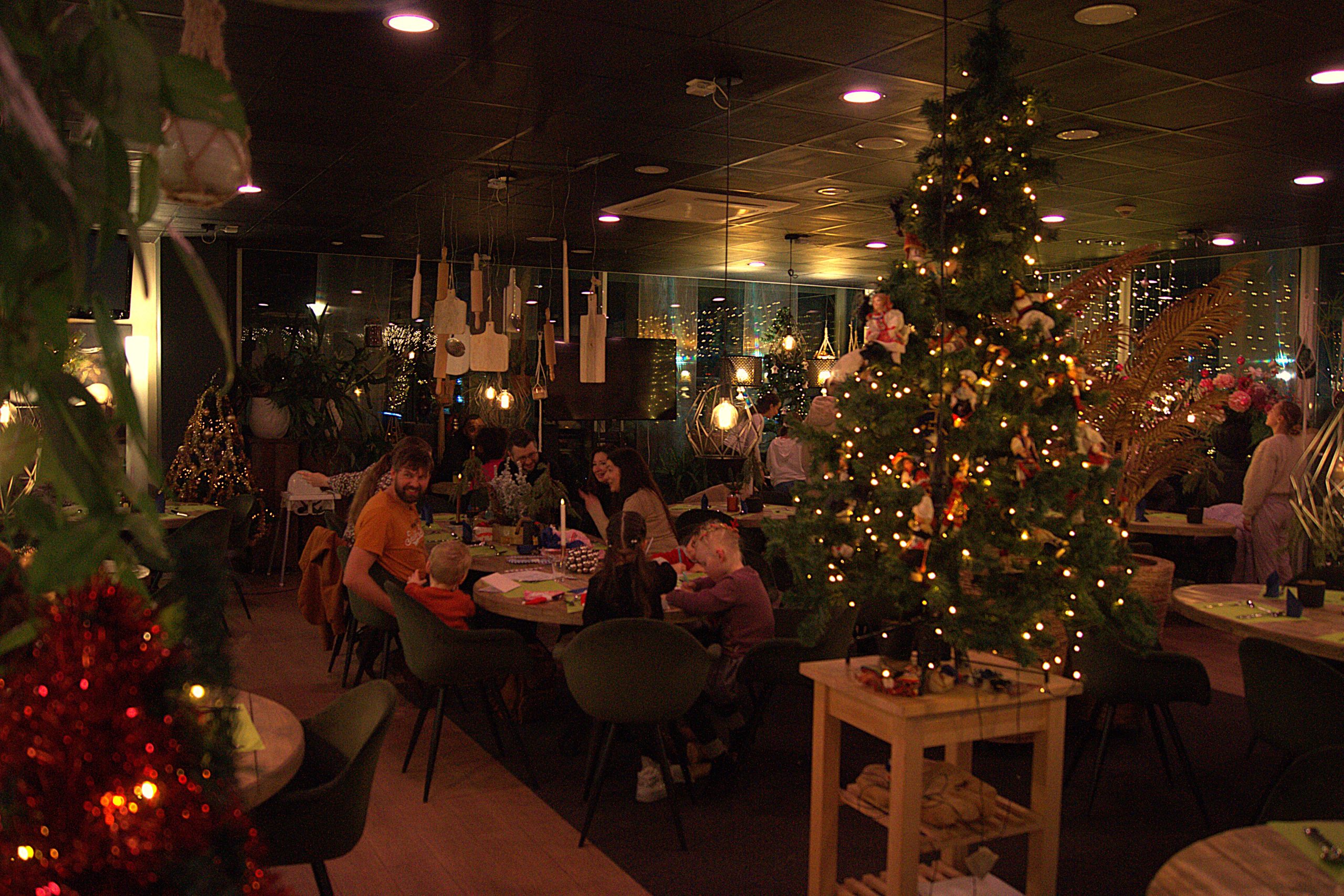
The succesful christmas dinner hosted by local restaurant, Gabriël.
Lastly, a project submitted by Kids United, an organisation that hosts a football club for disabled children, requested money to furnish their new clubhouse with the right amenities. Kids United built a new clubhouse for their twenty year anniversary and, because of their specific audience, needed to furnish it with a lot of specific and accessible furnishings. Additionally, they wanted to create a safe and gathering space in their clubhouse, so they requested comfortable chairs and couches, as well as a few fun amenities like a ping pong table. Even though the audience for this project wasn’t ‘everyone,’ like the previous two were, the project was chosen and the clubhouse now looks “perfect,” according to the website.
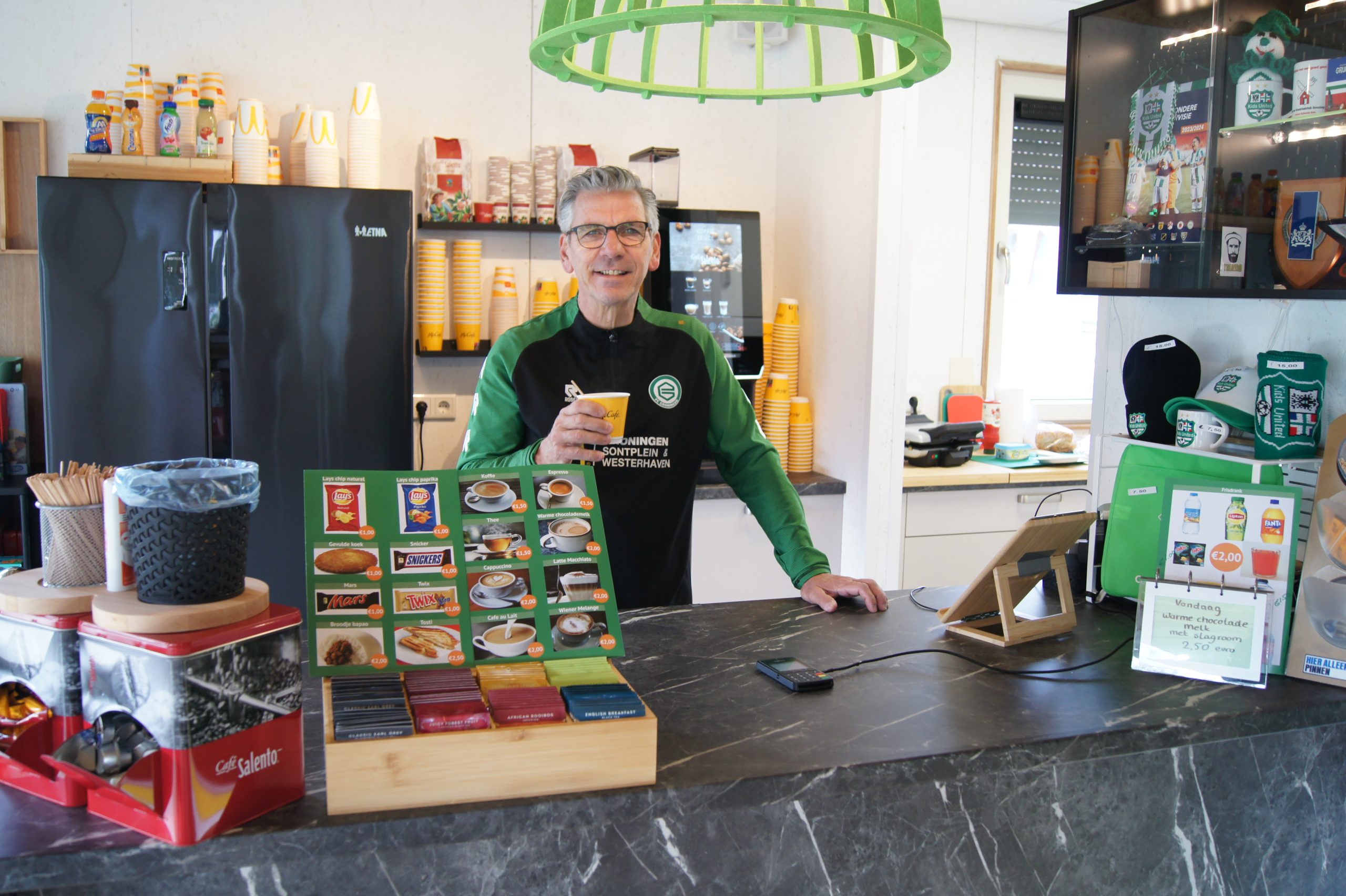
The new clubhouse of Kids United.
Does participative budgeting work?
The above projects show how broad the influence of the participants can be: from making your neighbourhood prettier or more functional, to helping your neighbours in whatever way they require. In addition to these projects, Sterk Hoogkerk has completed a lot of others that introduced new walking areas in nature, made improvements to roads or road crossings, or redesigned or improved recreative areas. Because Sterk Hoogkerk has been running for two years, the municipality of Groningen has written a report on the effectiveness of the project. It has a great conclusion: yes! It works! And it also has some incredible side effects.
Sterk Hoogkerk has brough the inhabitants much closer together, and especially increased the social cohesion and awareness between the Moluccan community and the rest of the neighbourhood. While the Moluccan community initially thought they weren’t as involved in the budget, they were instead able to complete a multitude of projects that brought attention to their community, history, and wellbeing.
“[The Moluccan community] thought that they were an exception, that they weren’t seen. They have instead been able to develop many ideas. Very nice to see.”
And you can have it too!
The most important takeaway from this article is that a participatory budget could also work in your neighbourhood. Petition your municipality for it, energise and encourage your neighbours to ask for one, and show everyone the success of Sterk Hoogkerk!
Do you want to read more about Sterk Hoogkerk? Or follow their upcoming or completed projects more closely? You can find their website here.