

On 12 November, the City of Aarhus hosted its second dialogue meeting with SMEs from the craft and construction sector, this time diving deeper into practical experiences, implementation pathways, and the city’s newly adopted Green Mobility Plan.
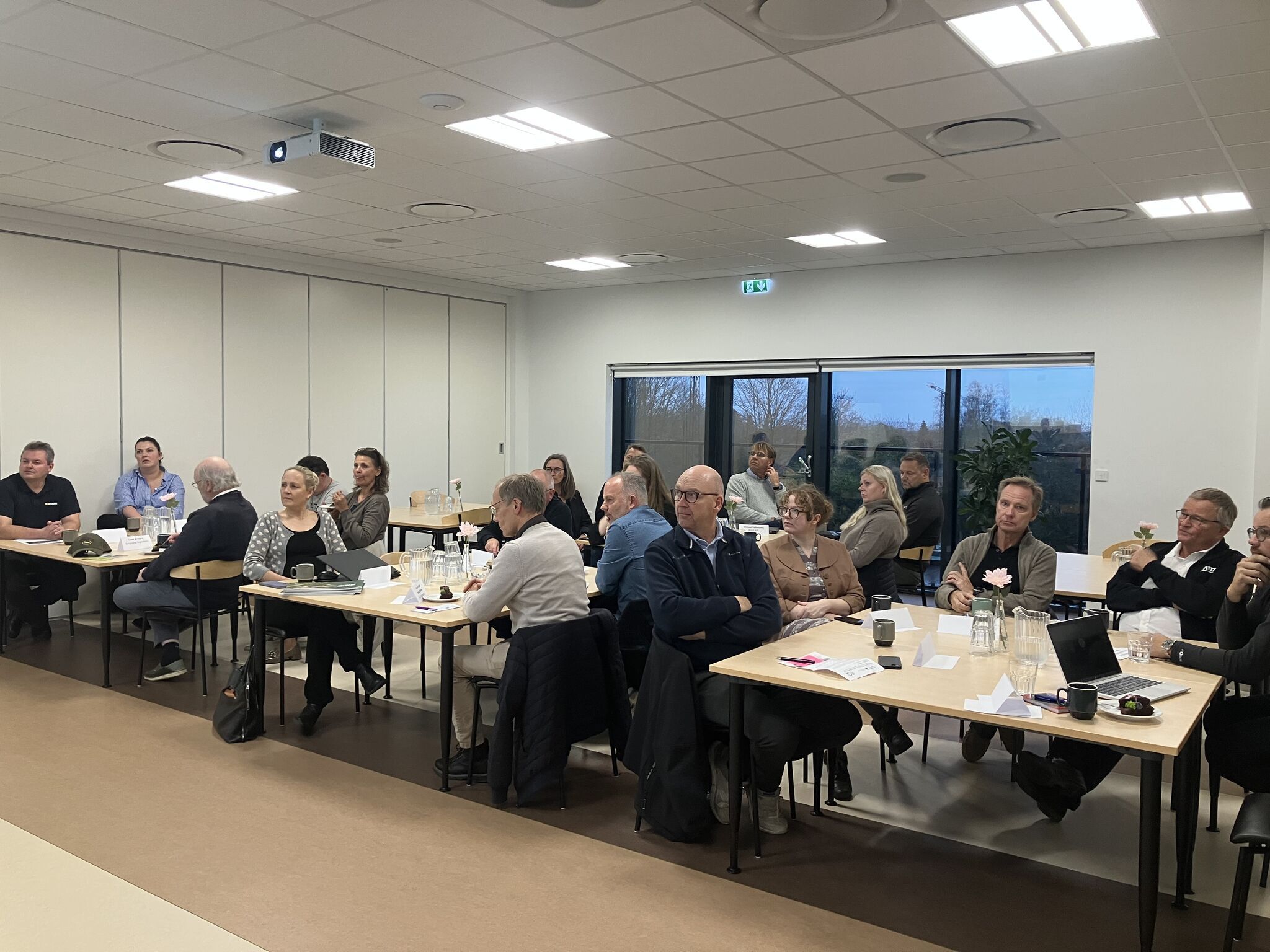
Supported by Aarhus Håndværkerforening, DI Byggeri Østjylland, and TEKNIQ, the gathering brought 25 participants together at Ecopark in western Aarhus.
This second instalment built directly on the foundation established at the June dialogue meeting, where the sector’s key challenges and opportunities were first mapped. The goal this time was clear: create a space for concrete experience-sharing, inspiration, and open discussion to help shape the initiatives best suited to supporting greener transport in the industry.
From Challenges to Practical Solutions
Where the first meeting focused on understanding the landscape, this session zoomed in on practice. Several companies shared hands-on experiences with transitioning to electric vehicles (EVs), touching on topics such as cost, operational habits, charging routines, and fleet efficiency.
A recurring theme was the recognition that some of the persistent myths about EVs, like high operational costs or impractical charging, are increasingly disproven in real-life business operations. Companies described finding new efficiencies, reducing costs, and strengthening both internal logistics and employee satisfaction.
The Green Mobility Plan: Vision and Implementation
A key highlight of the afternoon was the presentation of Aarhus Municipality’s newly adopted Green Mobility Plan. Participants received an overview of the plan’s vision, targets, and the steps the city will take in its implementation phase.
The dialogue encouraged businesses to respond openly, providing feedback on how elements of the plan could support or challenge their daily operations. These inputs will be analyzed and may inform the recommendations the city brings forward at the political level.
Key Themes and Insights
Sustainability as a Strategic Advantage
Discussions showed a growing recognition that sustainability is strengthening corporate competitiveness, helping attract customers and skilled employees. Many participants highlighted that tools such as CSRD reporting and voluntary climate documentation can create valuable first-mover advantages.
Green Transportation and Fleet Electrification
Companies shared that investing in electric vans and trucks has proven more viable than initially expected. While the transition requires new habits, operations can be cheaper, charging can be managed efficiently, and electric mobility can support long-term business resilience.
Efficiency, Innovation, and Employee Focus
Trade SMEs showcased how digital tools, better logistics planning, and employee-centred technological solutions can simultaneously improve productivity and reduce emissions.
The dialogue meeting on the green transition of transportation in the craft sector is valuable for us as a company and for us as a sector. We greatly benefit from sharing knowledge with one another and learning from those who are already underway. And it is a good forum for dialogue between craftspeople and Aarhus Municipality about opportunities, challenges, and joint solutions.
Outcomes and Next Steps
The meeting reinforced that frontrunners in the craft and construction sector are already succeeding in making climate-friendly solutions and electric fleets profitable. While concerns remain among some SME, particularly regarding the implementation of the Green Mobility Plan, participants offered constructive insights that the municipality will take forward.
Aarhus will continue to refine its approach in close dialogue with the sector. A third meeting will be planned, focusing specifically on implementation challenges and how the city and SMEs can co-create practical, effective solutions.