

The transition toward circular and climate-resilient greenhouse horticulture increasingly depends on the efficient valorization of plant residues. PSKW and VLACO focus on reusing greenhouse biomass through composting. A major challenge in greenhouse crop residue management is the concentrated moment at which biomass becomes available.
Pictures: PSKW
Ensiling as preservation strategy
More than 90% of all greenhouse residues are released simultaneously at the end of the crop cycle. Therefore currently only a small portion of this biomass is composted. Intermediate storage methods are essential to stabilize biomass and enable year‑round composting. Within CLOSECYCLE, PSKW examines ensiling techniques for conserving greenhouse residues
Ensiling conserves moist plant material through anaerobic fermentation. When crop residues are compacted and oxygen is excluded, lactic acid bacteria convert plant sugars into organic acids. This lowers pH, suppresses spoilage organisms, and stabilizes the biomass. Additives can support this process:
Microbial inoculants boost lactic acid bacteria activity.
Organic acid–based inhibitors (e.g., propionic acid) reduce heating and oxygen‑related spoilage.
These additives help steer fermentation, improve storage stability, and limit nutrient and dry matter losses.
Large-scale cucumber trials (September 2025)
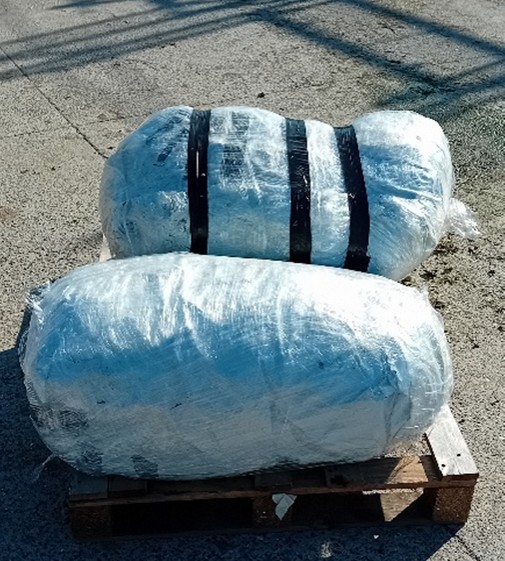
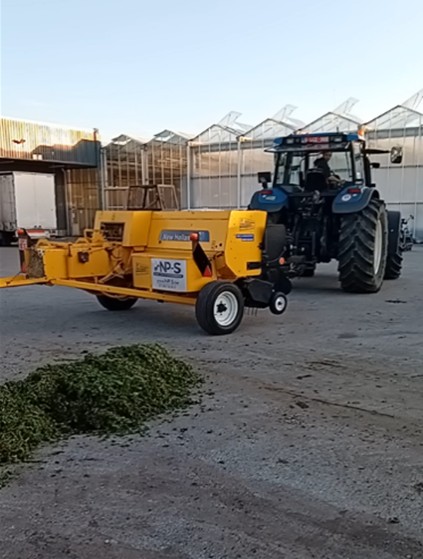
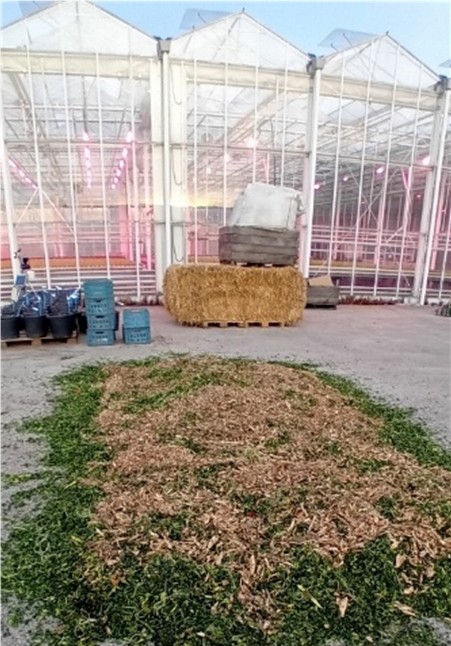
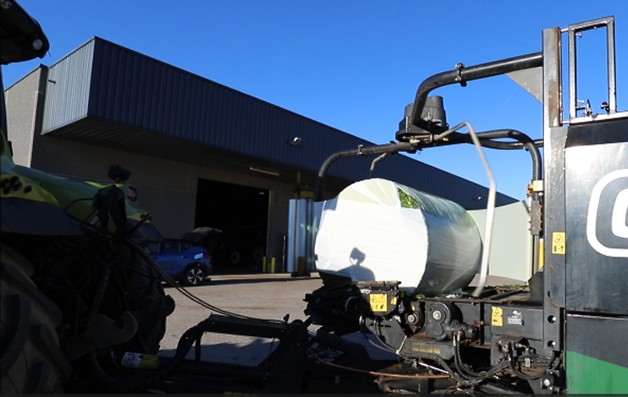
The first large-scale trial focused on ensiling cucumber foliage. The material was shredded, pressed into bales, and wrapped in stretch film. Shredding proved essential for proper compaction and microbial activity.
At harvest, the moisture content of the foliage reached approximately 90%. After a few days of drying, this dropped to around 80%. But additional drying time would likely have further improved bale formation and storage quality. To assess ensilability, the buffer capacity and sugar content of the residues were measured. The sugar content was below 1.5% which indicated that the cucumber residues are challenging to ensile. Successful fermentation is typically marked by both a reduction in pH and a decrease in sugar levels as they are metabolized by microorganisms.
Deeper insight by micro-scale sweet pepper silage
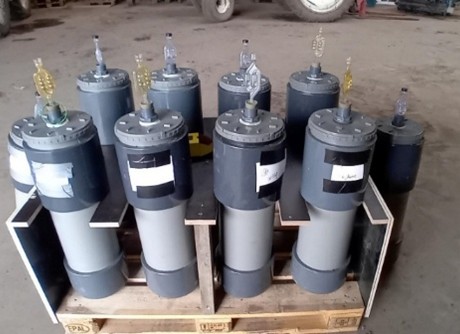
To gain deeper insight into fermentation dynamics and the effect of different additives, 20‑liter micro silos were prepared using compacted sweet pepper leaves and stems. Airtight containers with CO₂ locks allowed gas release while preventing oxygen entry. Mass losses were monitored by weighing the silos before and after storage.
When opened at the end of January, the silos showed an average weight loss of only 1%, far lower than typical composting losses. Sweet pepper foliage, with higher dry matter content proved well suited for ensiling. Before and after storage, samples were analyzed for dry matter, soluble sugars and C/N ratio. Although chemical results are still being processed, the colour, smell and intact structure indicate successful fermentation and stable preservation.
Testing additives for improved stability
Four main treatments were evaluated:
Control (pepper residues only)
Addition of chicory roots as an external sugar source
Microferm (bokashi-type microbial inoculant)
TMR+ (organic acid mixture to inhibit spoilage organisms)
Different combinations and dosages were applied (Figure 3). After opening the silos, the material was assessed both chemically and sensorially. Key parameters included pH, dry matter loss, organic acid profiles, alcohols, ammonia, aerobic stability, and changes in the C/N ratio. These analyses together provide a comprehensive overview of storage performance and fermentation quality.
Large-scale sweet pepper silage
Alongside the micro-scale trials, a large-scale ensiling experiment was carried out. Shredded sweet pepper foliage was mixed with the selected additives and pressed into seven bales of approximately 1,1 tonnes each: two with TMR+, two with Microferm, one with chicory, and two control bales containing only pepper foliage (Figure 4). Upon opening, all bales emitted a fresh, mildly sweet-sour smell, and the leaves and stems retained their structure which are clear signs of successful ensiling.
Six of the seven bales were transported to the professional composting facility Renders for composting trials. One bale is kept at PSKW for local composting once the new compost turner is operational later this year. This will make it possible to compare composting behaviour at industrial and on-farm scale and to further close the loop within the greenhouse horticulture sector.