

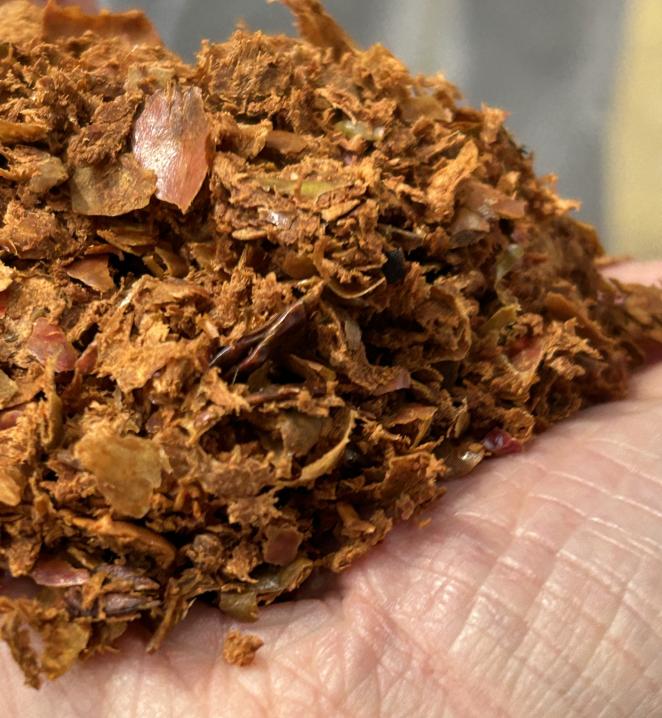
Stabilization of apple residues
The design and demonstration of a bio-refining process for the recovery of cider-making residues is important in order to involve the stakeholders in the cider-making sector in a more efficient use of these co-products from an environmental (closing cycles) and economic (product diversification) point of view. Fresh cider residues have high water content, and then very limited life-span before they get useless for valorisation via biorefinery processes. The stabilization of these residues is then a critical step to favour processing (investigated in the associated showcase). This showcase evaluates solutions to stabilise fresh cider residues and highlights the sustainability aspects of the different solutions. To do so the showcase will reproduce at pilot scale the cider production and the stabilization treatment of the residues, in the first-place apple pomace which represents by far the largest volume of the biomass residues and the most critical for stakeholder. Stabilization methods (microbiological and oxidation) will be tested:
conventional practice: drying;
oxidation control.
Various cider producers participate, local and small-scale industries and regional to national-scale industries.In particular., the demonstration includes technological solutions for the stabilisation of these co-products and for the cascade extraction of molecules of interest (polyphenols, pectins, cutins) upstream and for the production of biogas and agricultural fertilisers downstream.
Photo: Hessel Communication and research