

To keep the European Conference on City Energy’s momentum going, the COPPER consortium stayed on for 2 more days in sunny Ghent.
The project’s 5th bi-annual partner meeting focussed on sharing the work that the consortium has done within the last half year, as well as discussing how the learnings from the conference can be translated into concrete actions for the coming period.
For a more detailed look back on the conference, we have dedicated an entire news article.
The city-grid interface
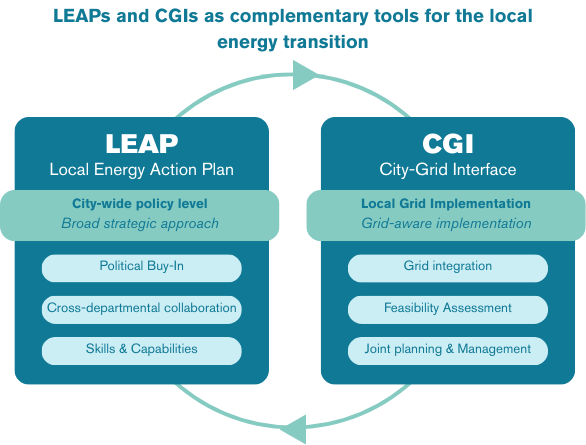
E.DSO in collaboration with Bax Innovation has published a new white paper on the topic of city-DSO collaboration. Cities and DSOs are two of the biggest stakeholders, when it comes to the local energy transition, that need learn how to work together in a strategic manner. Yet their interaction so far is often ad-hoc or fragmented.
The paper presents the city-grid interface, a framework that translates all LEAP ambitions that impact the grid to actionable projects. Furthermore, readers get insights into good practices where European cities and their DSOs are already setting up collaborative programmes, attempting at becoming joint leaders of the energy transition. During the partner meeting, the consortium discussed how to build onto the momentum of the white paper, to further develop city-DSO collaboration. In the upcoming months, the consortium will perform more detailed analyses of their own collaboration with DSOs.
The city energy bill
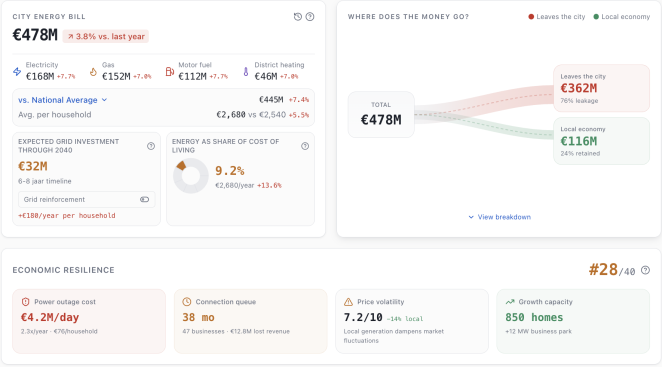
The city of Dordrecht shared their newest tool: The city energy bill.
The idea behind the interactive and adaptive dashboard is that many cities are not aware of the spendings that their citizens and businesses are already putting into the energy system. Yet, up to two thirds of this value leaves the local economy if not also the country.
The CEB uses open-source data to visualise Dordrecht’s local energy economy’s value and reveals pathways to lower local energy prices. It supports data driven energy decision making and can be used as a powerful storytelling tool.
Presenting the CEB to the consortium gave valuable feedback to develop a tool that is valuable for a variety of use cases. Discussions highlighted again how different the local energy transition can be all over Europe. This is important to integrate into developing any solution such as LEAPs, CGIs or CEBs.
Progressing Local Energy Action Planning and our cities’ pilots
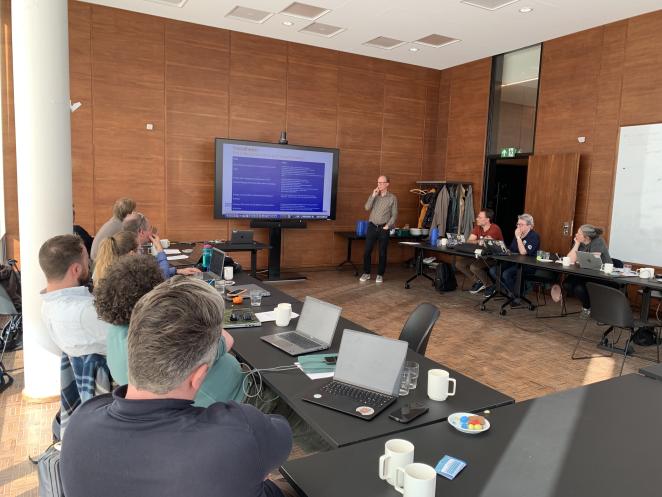
Two years after assessing each COPPER city’s readiness for implementing LEAPs according to 6 categories, the partners participated in a workshop to re-evaluate their readiness. The factors outlined included:
Political and organisational buy-in
Multi-level policy alignment
Budgeting and financing of actions
Tools and Planning scenarios
People, capacities and skills
Collaboration with DSOs
It was revealed that most pilots have successfully progressed their readiness in each category, while at the same time the pilots all come with their specific challenges. Using the readiness level methodology however allows them to analyse their situation in more details. Further, in moments like these, the value of Interreg North Sea truly comes to light: sharing local experiences with international partners, supporting each other, giving insights into solutions and best practices is incredibly helpful for developing sustainable solutions.
A visit to the North Sea Port
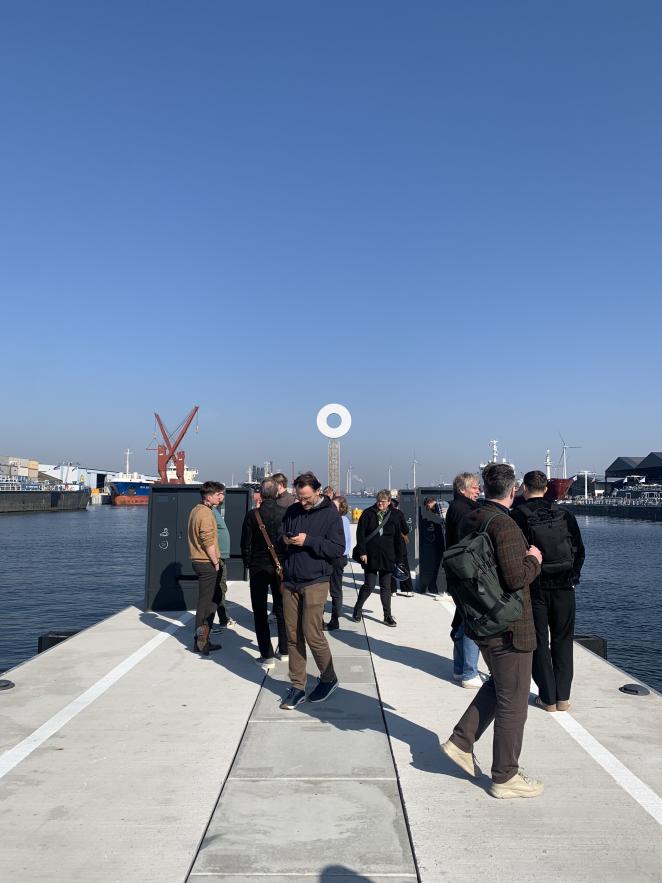
Partner meetings always give a great opportunity to visit local energy projects. This time we were invited to visit the North Sea Port in Ghent. A sunny cycle ride, past the city’s own district heating plant, led the consortium to the port’s electric shore power station which has a reduction potential of 200k tons CO2/year and 2,2k tons NOx/year.
While the shore power’s profitability is this still being trialled, the port of Ghent is taking their responsibility for achieving the EU’s Fit for 55 goals which mandate that major EU ports provide onshore power supply by 2030, requiring container and passenger ships to connect while stationary to reduce emissions.
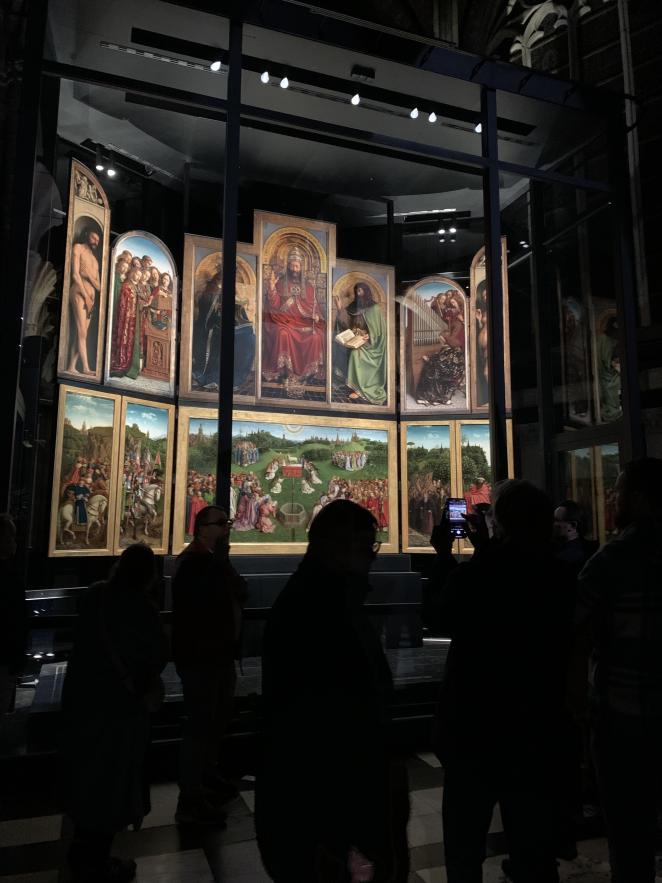
Evening nocturn
Ghent does not only have maritime highlights, but cultural ones as well. The COPPER consortium had the privilege of a night-time visit to the Sint-Baafs Cathedral, an impressive Roman Catholic cathedral harbouring the infamous artwork “Adoration of the Mystic Lamb” Hubert and Jan van Eyck.
What’s next?
In the upcoming months, the COPPER project will be present at the European Union’s Sustainable Energy week and Climate Alliance’s annual conference in Brussels. Find us there!
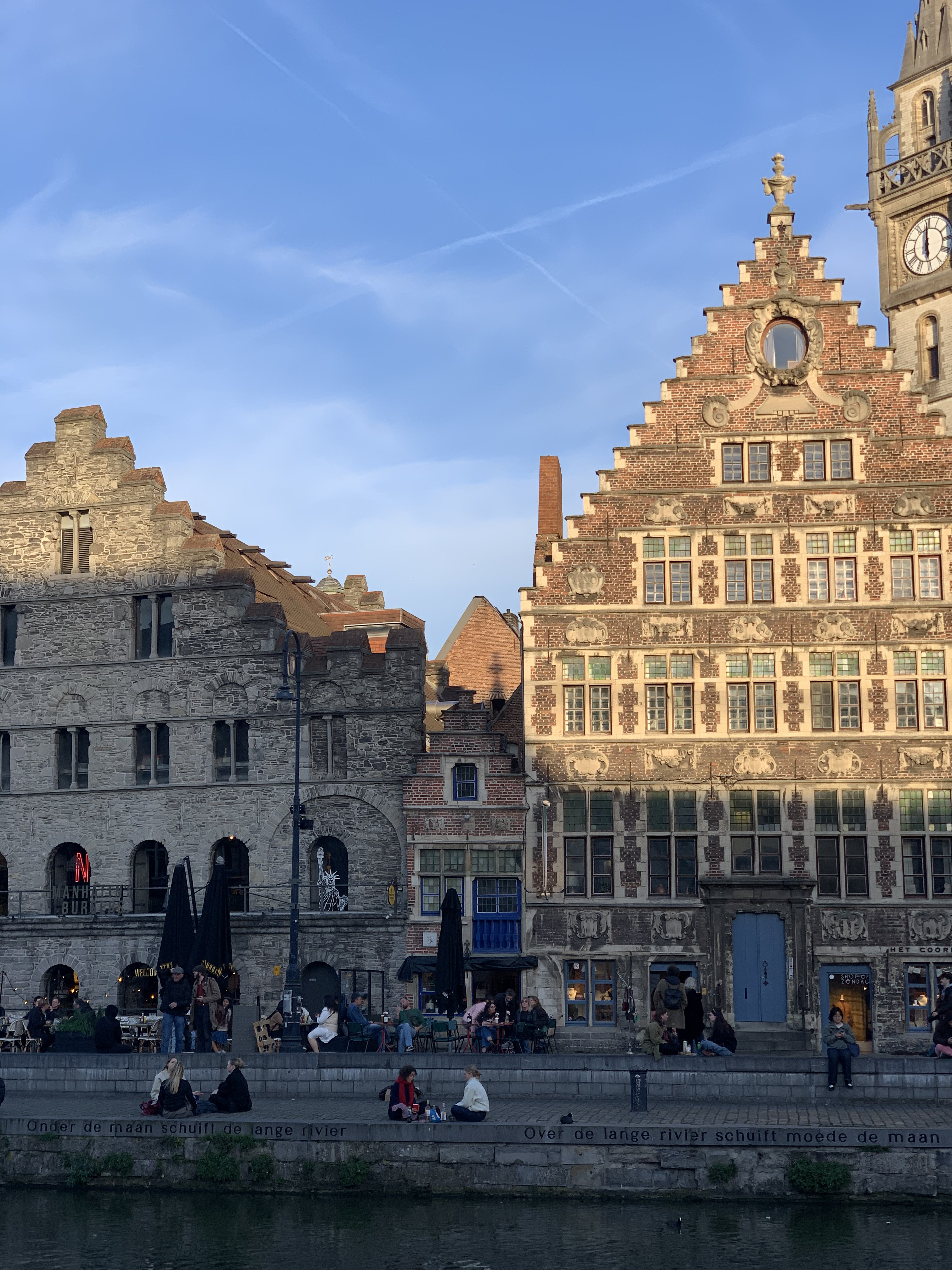
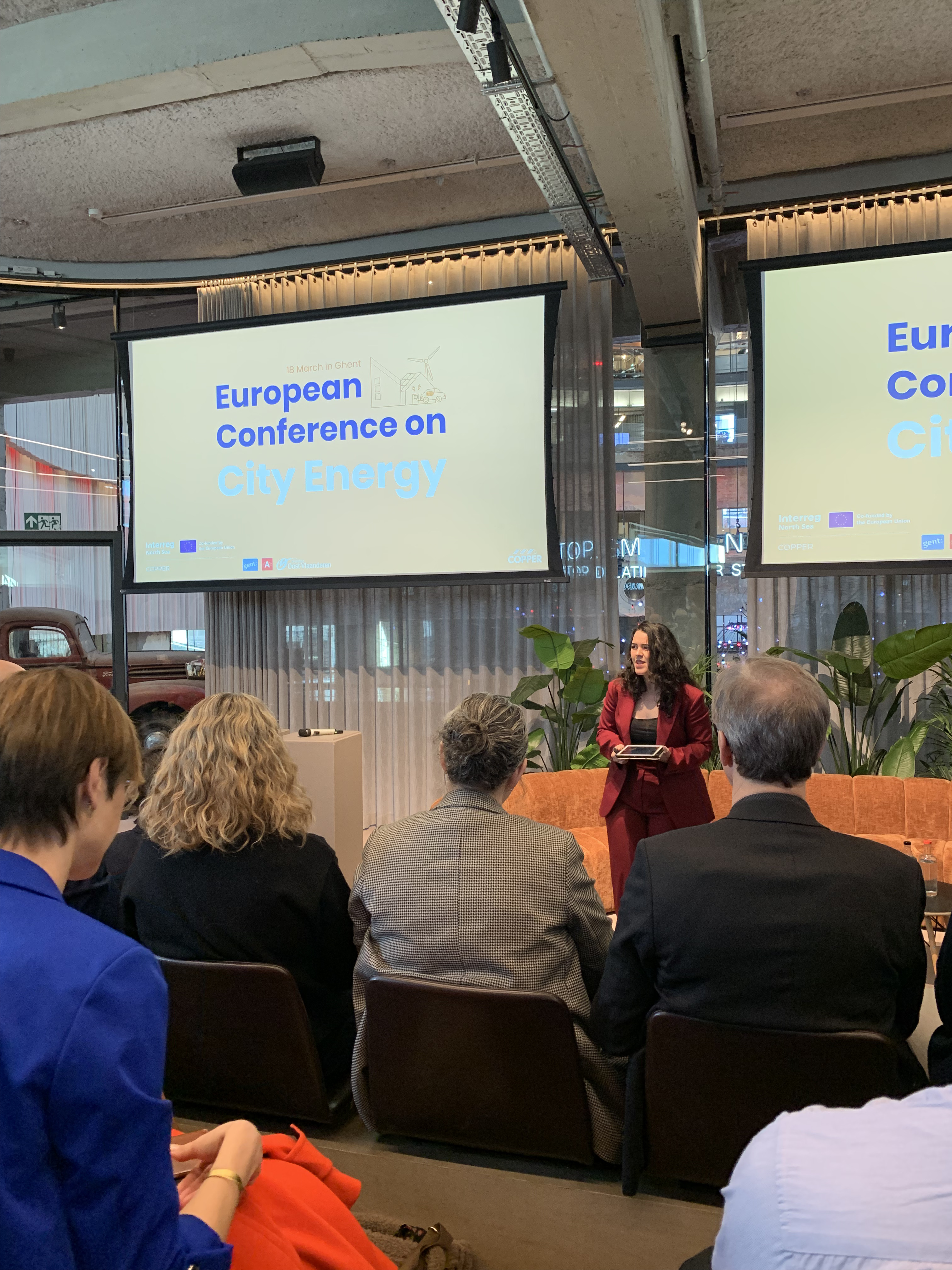
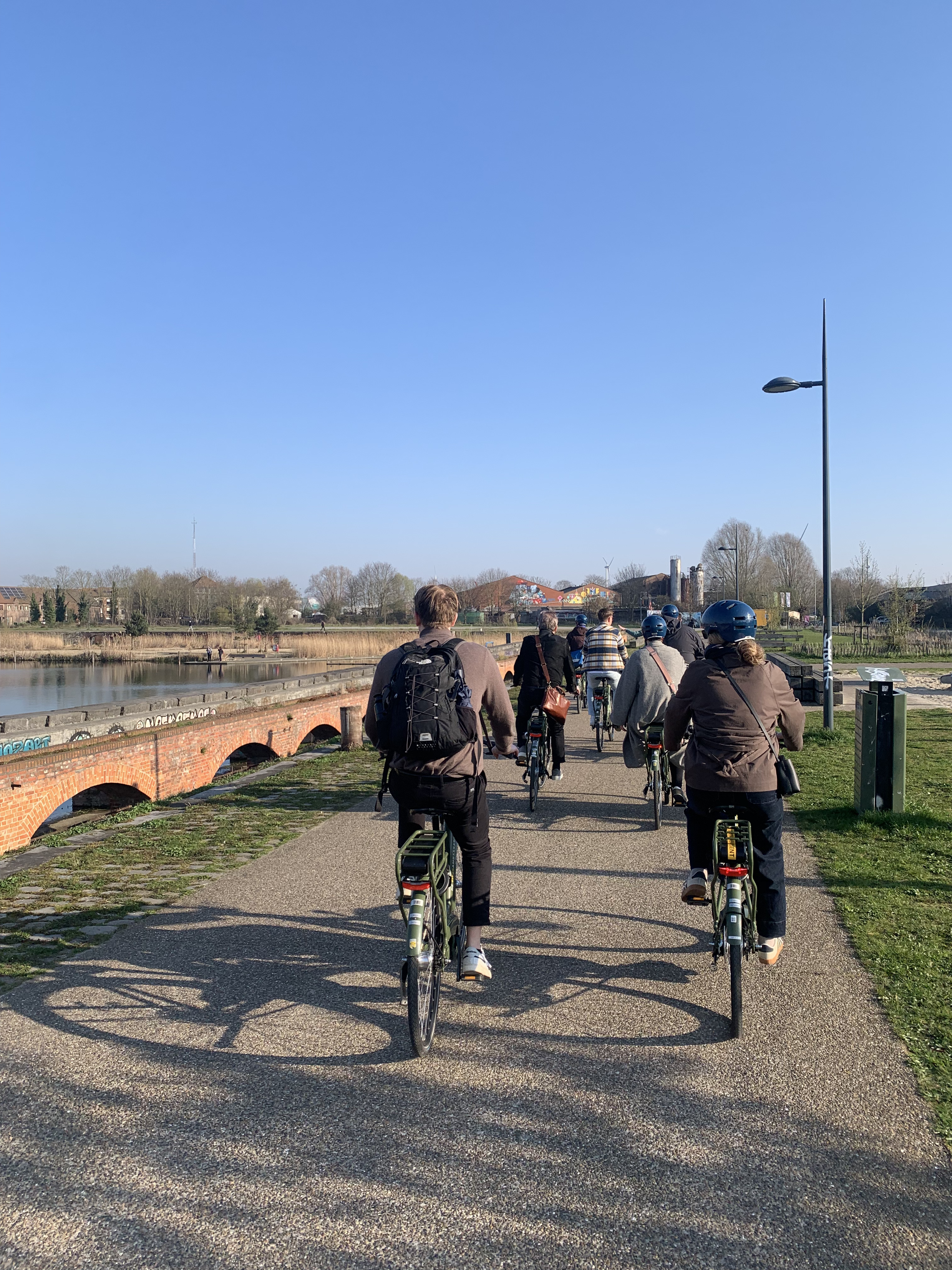
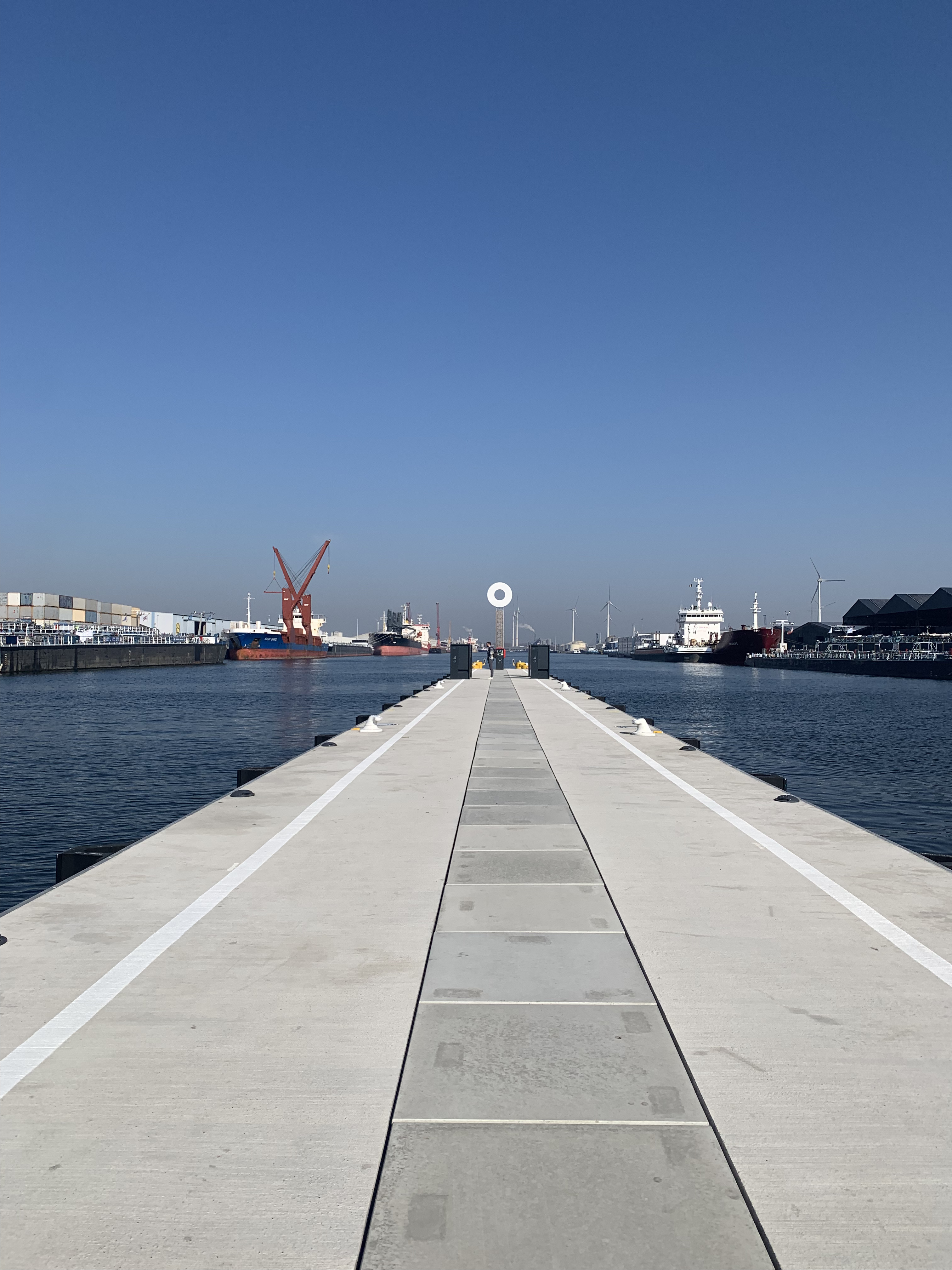
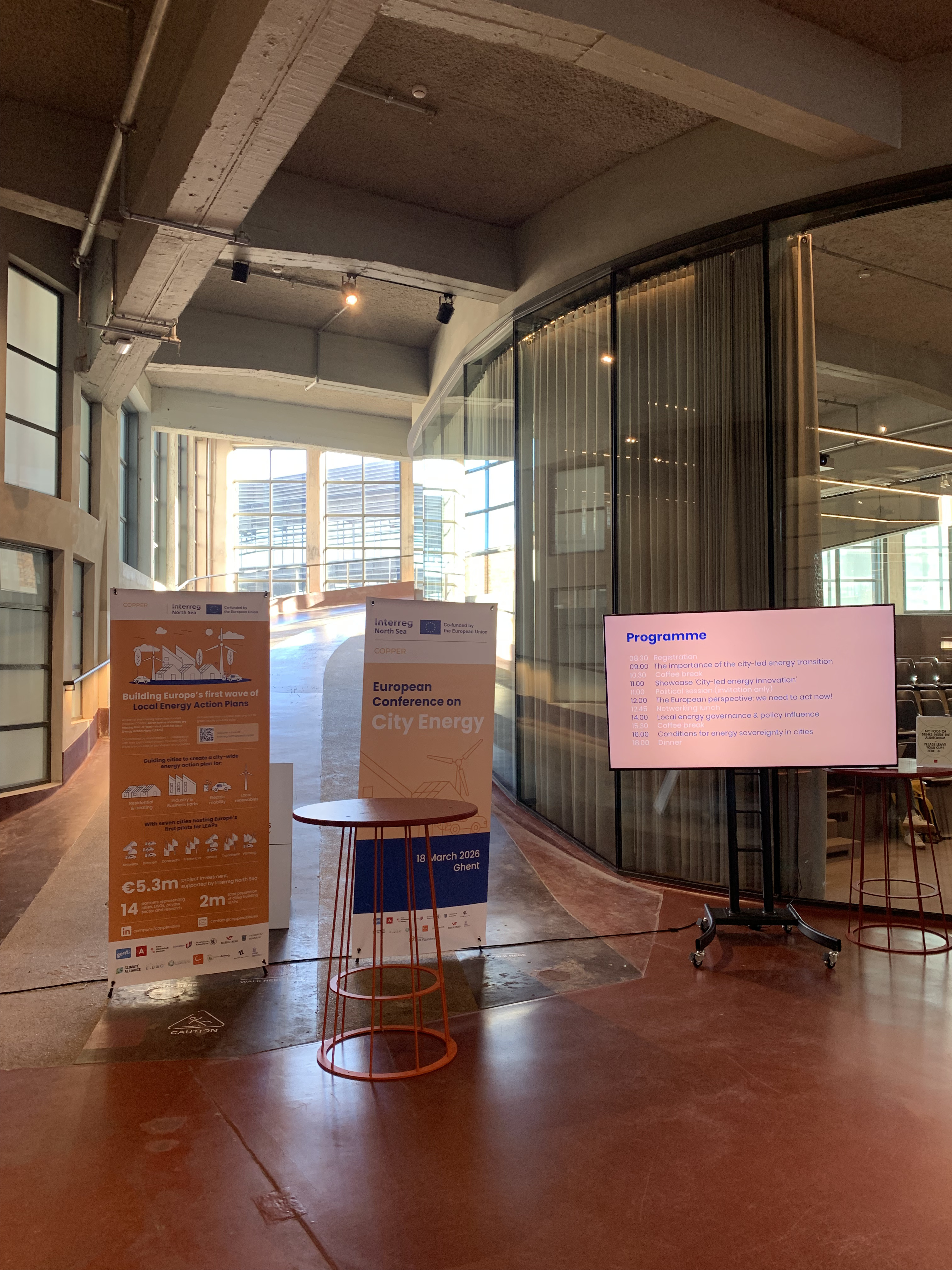
Image sources: Bax Innovation