
Location
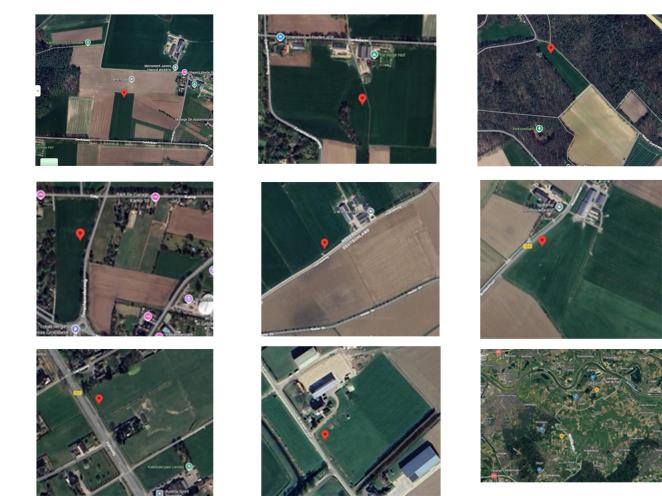
The plots are located in the Ooijpolder-Groesbeek area (20-30 hectare).
Work planned/methods tested
Vegetation surveys (Braun-Blanquet) of selected plots in spring/early summer before the first mowing, in consultation with the participants and project management.
Surveys and additional photos and checks are planned in 2026. In 2027 recordings, surveys photos and checks will take place.
Aim of work
Inventory of the vegetation composition of new and previously established herb-rich grasslands in relation to soil, management and restoration practices. The success of different seed mixtures (establishment, maintenance of herbs) will also be tested.
Status right now
WP2: we will make use of the many plots in the area established in different time frames and with different purposes, from nature management to agricultural use. From vegetation surveys we get a complete picture of botanical restoration in relation to sowing and management, including development of the grasslands over time. Surveys will take place in spring / early summer in 2026.
WP3: flower strips have been sown in 2025 and the first surveys will be carried out in 2026, supplemented by monitoring pollinating insects. This will give a good view on how the different seed mixtures (several natural mixtures, with one commercial mixture for comparison) have performed. More extensive vegetation surveys are planned for spring / early summer 2027.