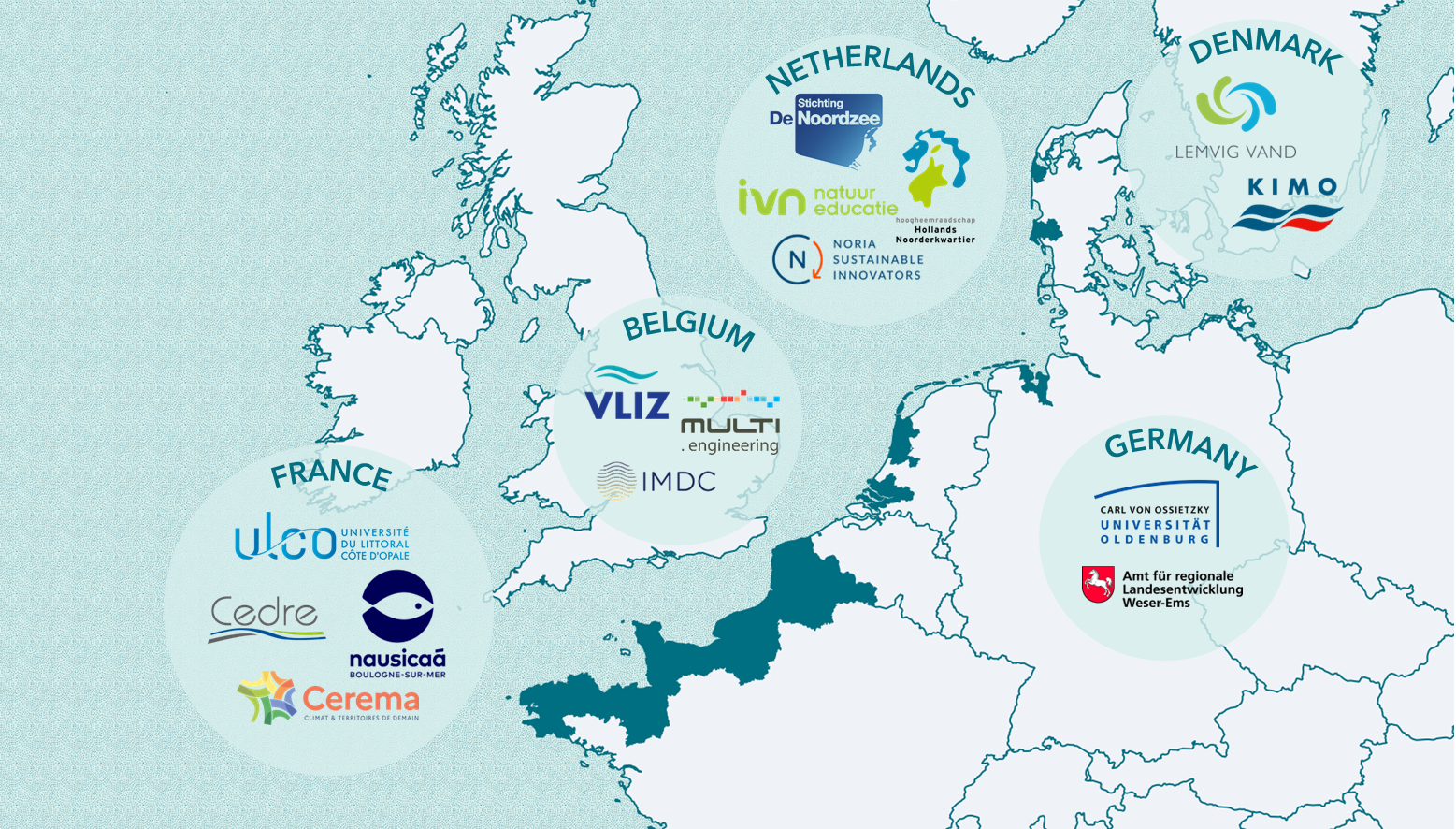
TREASURE Living Labs Map
Category | Content |
Name of the Living Lab | Westcoast Watershed (Danish Living Lab) |
Country / Region | Denmark / Municipalities of Varde and Lemvig |
Coordinating Organization | Lemvig Vand (Utility company; the Living Lab coordinator is based here) |
Further Project Partners | KIMO Denmark (Local Authorities International Environmental Organisation; lead for the Varde Å river system) |
Short Description | The Danish living lab covers the catchment areas of the Varde and Lemvig municipalities, focusing on river systems such as the Varde Å and urban drainage systems that flow directly into the North Sea. The objective is to prevent the outflow of macroplastics through improved management, data collection, and technical solutions. A special feature is the combination of natural river courses and complex infrastructure, such as wastewater treatment plants and rainwater basins, as potential plastic sources. |
Initial Situation / Challenge | The primary problem is the discharge of macroplastics from inland waters into the North Sea. There is a significant lack of knowledge regarding how much plastic enters the environment through wastewater treatment plant outlets, overflows, and rainwater systems. This project represents the first systematic investigation of its kind for Danish utility companies. Additionally, transport pathways in rivers like the Varde Å must be better understood to develop effective measures. |
Goals of the Living Lab |
|
Measures and Tested Solutions |
|
Timeline (chronological) |
|
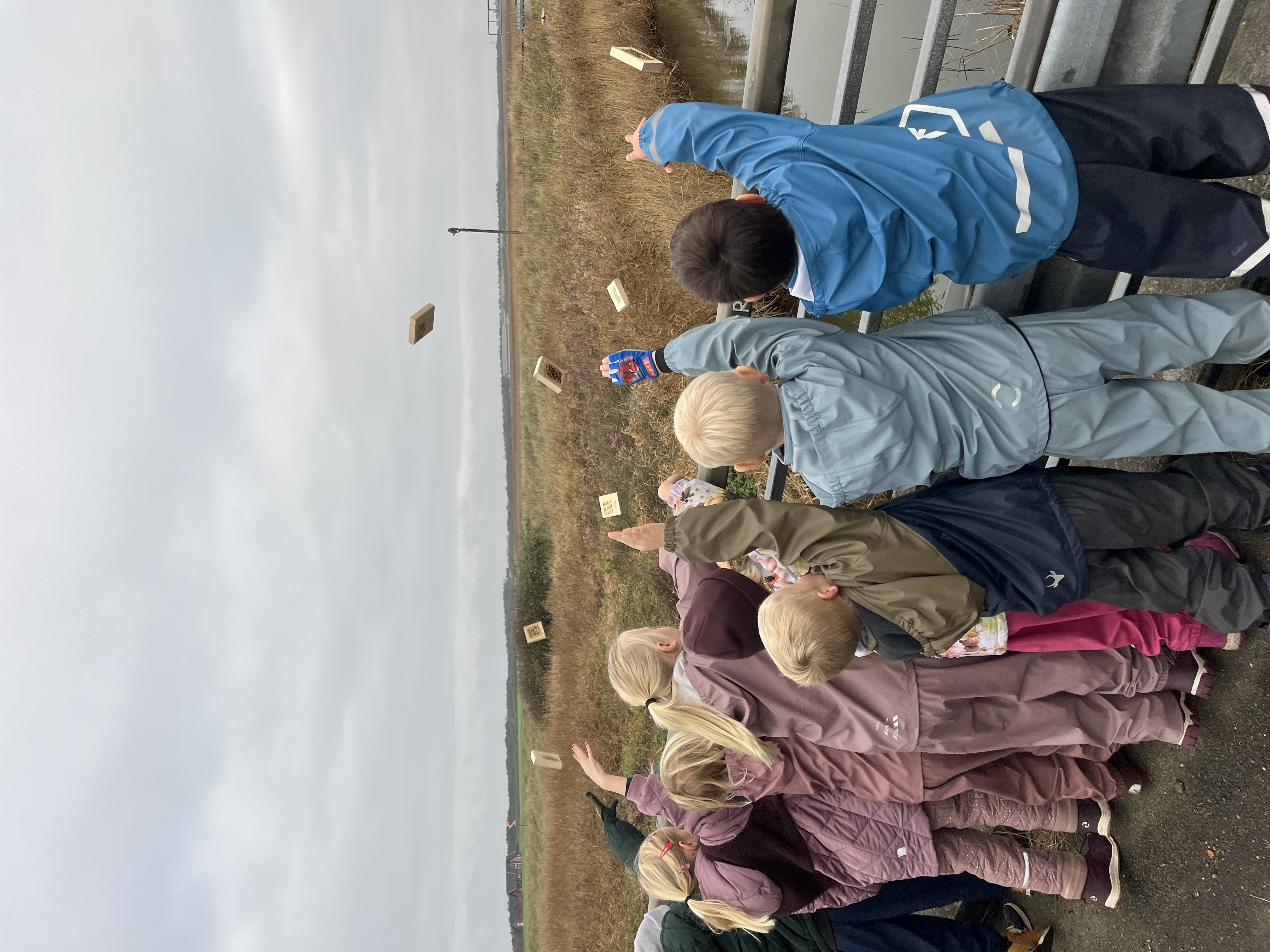
Local Stakeholder Involvement | Authorities: Municipalities of Varde and Lemvig, national water authorities. A national "Stakeholder Roundtable" was initiated to discuss a shared Danish strategy against marine litter Education: Local schools and kindergartens, Klimatorium The educational platform Plastic Pirates Denmark (Plastikpirater.dk) was developed by Klimatorium in 2025 as part of the TREASURE project. Economy: Utility companies, infrastructure service providers Civil Society: Citizens and tourists as Citizen Scientists finding and reporting the drifters. Over 500 students actively participated in the drifter campaign. As part of the Erasmus+ “Exchange at Sea” initiative, students and researchers conducted field activities in the North Sea focusing on plastic pollution monitoring |
Expected Impact | The project creates a scientifically founded database on plastic pathways that can flow directly into political strategies and management plans. Citizen Science actions strengthen public awareness of plastic pollution. The tested technical solutions and recommendations are intended to be transferable to other urban sites and catchment areas throughout the North Sea region. |
Key Facts | Water Body / Catchment: Varde Å as well as wastewater and rainwater systems of Lemvig and Varde • The wooden drifter campaign received extensive media attention, including a 10-minute feature on national television (DR 21 Søndag) |
Name of the Living Lab | Plastic-FREE-sia (German Living Lab). |
Country / Region | Germany / Northwest Lower Saxony (Districts of Friesland including Wangerooge island, Wesermarsch, and the independent city of Wilhelmshaven) |
Coordinating Organization | Carl von Ossietzky University of Oldenburg (UOL) – also Lead Partner of the overall TREASURE project |
Further Project Partners | Weser-Ems Regional Development Agency (Amt für regionale Landesentwicklung – ArL Weser-Ems) |
Short Description | The living lab covers a diverse coastal region characterized by tidal rivers, industrial harbors, and rural-urban transitions. It includes parts of the ecologically significant Lower Saxony Wadden Sea National Park. The lab tests solutions to reduce plastic input at the interface between land and the open North Sea by bundling regional innovation and coordinating stakeholders. |
Initial Situation / Challenge | The coastlines and island beaches of Lower Saxony are heavily affected by long-lasting plastic waste transported by rivers, tides, and currents. A paradigm shift is needed to stop the outflow from inland waters. A central challenge is identifying precise pollution sources in an area with diverse uses such as tourism, maritime shipping, and industry. |
Goals of the Living Lab |
|
Measures and Tested Solutions |
|
Timeline (chronological) |
|
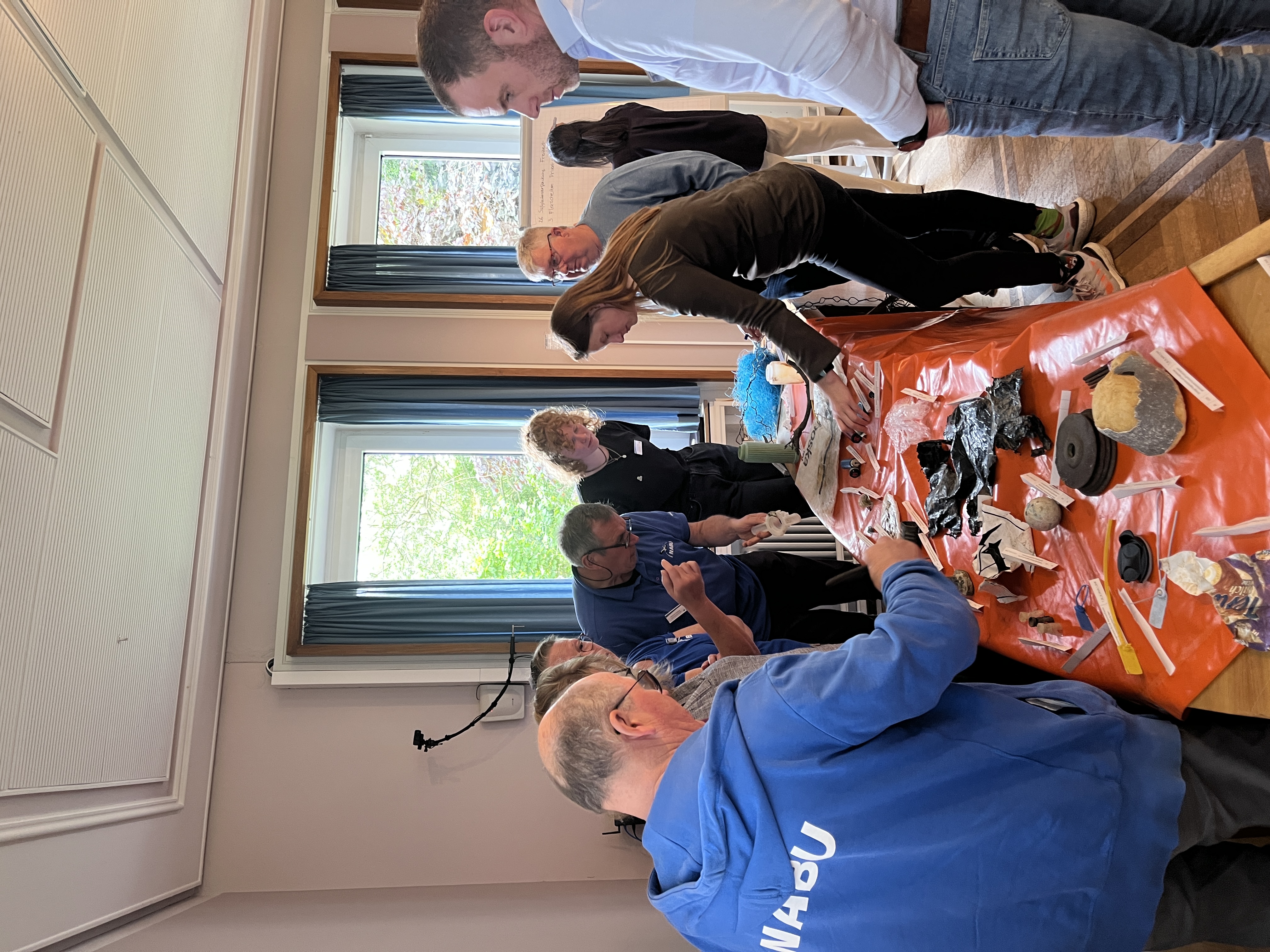
Local Stakeholder Involvement | Participants include public administrations, economic actors (waste management, logistics, port operators like Niedersachsen Ports), NGOs (e.g., BUND, Mellumrat), educational institutions, and scientific organizations. Engagement occurs through interactive formats such as World Cafés, joint data analysis sessions, and Citizen Science activities. |
Expected Impact | The lab establishes a robust database on plastic sources to serve as a foundation for local action plans and political decisions. By involving regional "caretakers," solutions are intended to last beyond the project duration. The long-term goal is a measurable reduction of plastic entry into the Wadden Sea World Heritage site and the transferability of these approaches to other North Sea regions. |
Key Facts | Water Bodies / Catchment: Lower Weser, Weser Estuary, Jade Bight, and North Sea coast Special Feature: Focus on a large-scale, geographically diverse coastal area and the close link between high-tech monitoring (drifters/sensors) and municipal policy-making |
Name of the Living Lab | Living Lab Dutch Deltas |
Country / Region | Netherlands / Meuse Delta, Rotterdam Rijnmond, and North Holland |
Coordinating Organization | IVN Natuureducatie (Living Lab coordinator) |
Further Project Partners | Stichting De Noordzee (North Sea Foundation - NSF); Hoogheemraadschap Hollands Noorderkwartier (HHNK); Noria Sustainable Innovators |
Short Description | The Living Lab encompasses the Dutch delta system, where the Rhine and Meuse rivers flow into the North Sea. It consists of three distinct regions: the ecologically significant Meuse Delta, the highly industrialized Rotterdam Rijnmond, and the complex drainage system of North Holland. The site was chosen to test strategies for reducing plastic waste at critical river-sea interfaces and to strengthen regional cooperation. |
Initial Situation / Challenge | In the Meuse Delta, plastic accumulates from the Rhine and Meuse rivers and from tourism in nature reserves like De Biesbosch. Rotterdam faces waste from harbor activities and industry, with tidal currents moving litter both up and downstream. In North Holland, the canal system, largely below sea level, functions as an "infrastructural highway" for plastic. A comprehensive understanding of the origins and behavior of these waste volumes is currently lacking. |
Goals of the Living Lab |
|
Measures and Tested Solutions |
|
Timeline (chronological) |
|
Local Stakeholder Involvement | Participants include provinces (coordination and policy), water boards (management), municipalities (local implementation), NGOs (citizen participation and education), and companies from the logistics and construction sectors. Cooperation is organized via a core group and specialized working groups. A Serious Game was tested with water boards and municipalities to playfully convey cooperation strategies. Citizen science monitoring now covers 52 locations. |
Expected Impact | The project strives for a cleaner riverine and marine environment achieved through science-supported cooperation. All findings will be integrated into the TREASURE Toolbox, providing other regions with essential decision-support tools for selecting appropriate cleaning technologies. By involving over 10,000 volunteers annually, the project significantly strengthens "plastic literacy" and environmental awareness among the general public. Furthermore, the regional Plastic Pact is designed to serve as a pioneering model for integrated intergovernmental waste strategies. |
Key Facts |
|
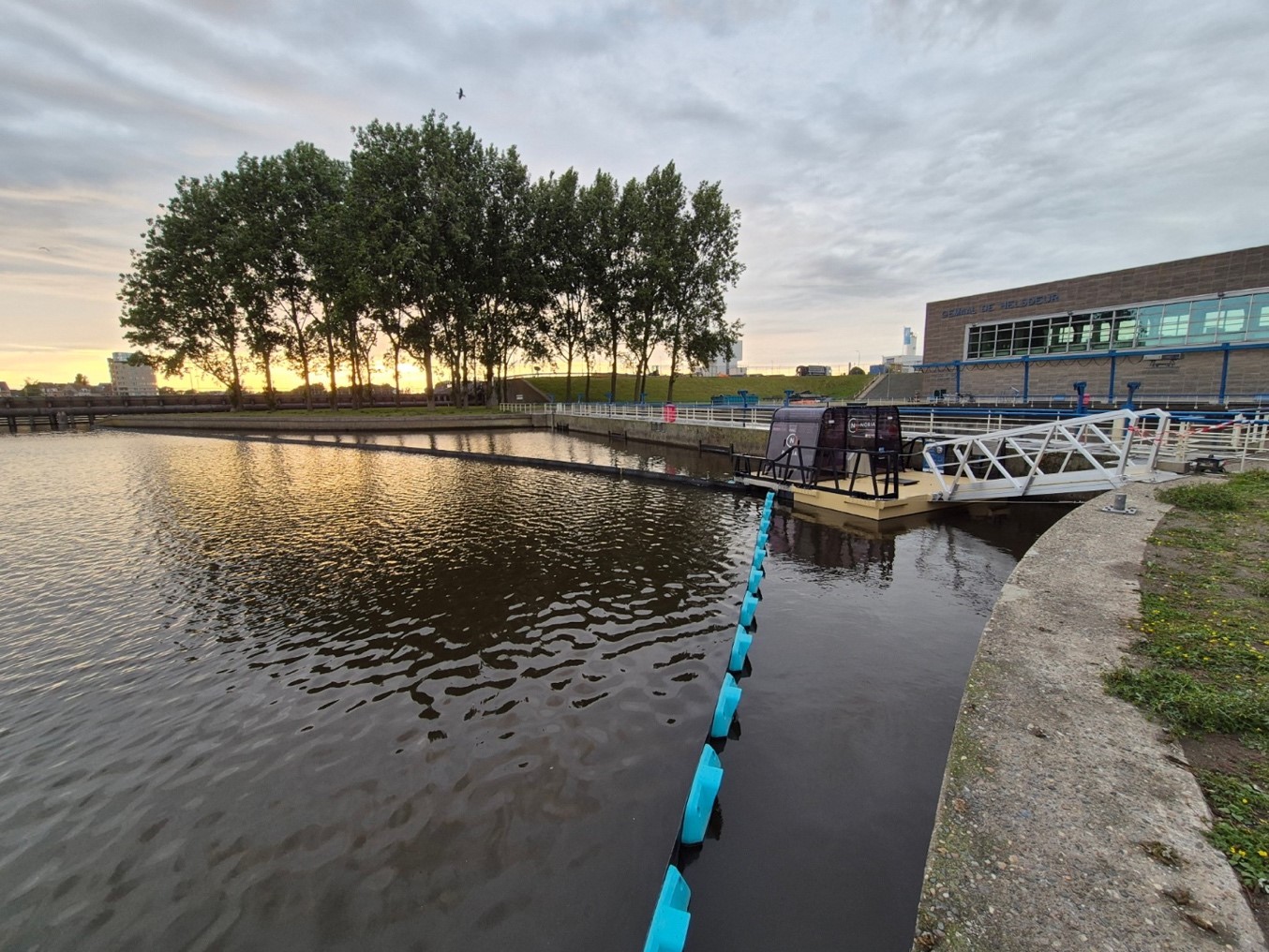
Name of the Living Lab | Living Lab Nieuwpoort |
Country / Region | Belgium / West Flanders |
Coordinating Organization | VLIZ (Flanders Marine Institute) |
Further Project Partners | IMDC (International Marine and Dredging Consultants N.V.); MULTI.engineering, Herbosch-Kiere |
Short Description | The Belgian living lab is located in the seaside town of Nieuwpoort, which hosts one of Europe's largest marinas. The water system in Nieuwpoort centres on the historic Ganzepoot lock and spillway complex, where six watercourses including the Yser meet and are connected by channels to the Yser river mouth at the North Sea, forming the main link between inland waterways and the sea. |
Initial Situation / Challenge | Limited data existed previously regarding plastic pollution in Nieuwpoort’s water system. The key question concerned whether the Yser river mouth could be a transport route for plastic to the North Sea. |
Goals of the Living Lab |
|
Measures and Tested Solutions |
|
Timeline (chronological) |
|
Local Stakeholder Involvement | Authorities: Province of West Flanders and the West Flanders Development Agency (POM West Flanders), City of Nieuwpoort, The Government of Flanders (Flanders Environment Agency, Agency for Nature and Forests) and the Federal Public Service (Marine Environment Department),Flemish Waterways, NGOs: Proper Strand Lopers (PSL), Kayakers for Nature Business/Tourism: Water sports clubs/organisations such as The Outsider Coast, Wind & Watersport Flanders and Flemish Marina Nieuwpoort (VY, WSKLum, KYCN) ; the Blue Cluster, a spearhead cluster under the Government of Flanders with lots of members of the Blue Economy Education: Local schools (e.g., De Pagaaier) and VIVES University of Applied Sciences Research: Research Institute for Nature and Forest INBO
|
Expected Impact | The project provides detailed data on the spatial and temporal distribution of plastic litter, enabling targeted mitigation measures. The validation of the Plastic Catcher and the TREASURE Toolbox assists water managers in selecting cost-effective solutions. Long-term goals include a reduction of plastic input into the North Sea and higher "plastic literacy" within the community.
|
Key Facts | Water Body / Catchment: Yser estuary, Ganzepoot lock system, Belgian coast Special Feature: Complex hydrological system with six waterways and a unique combination of high-tech monitoring and community participation |
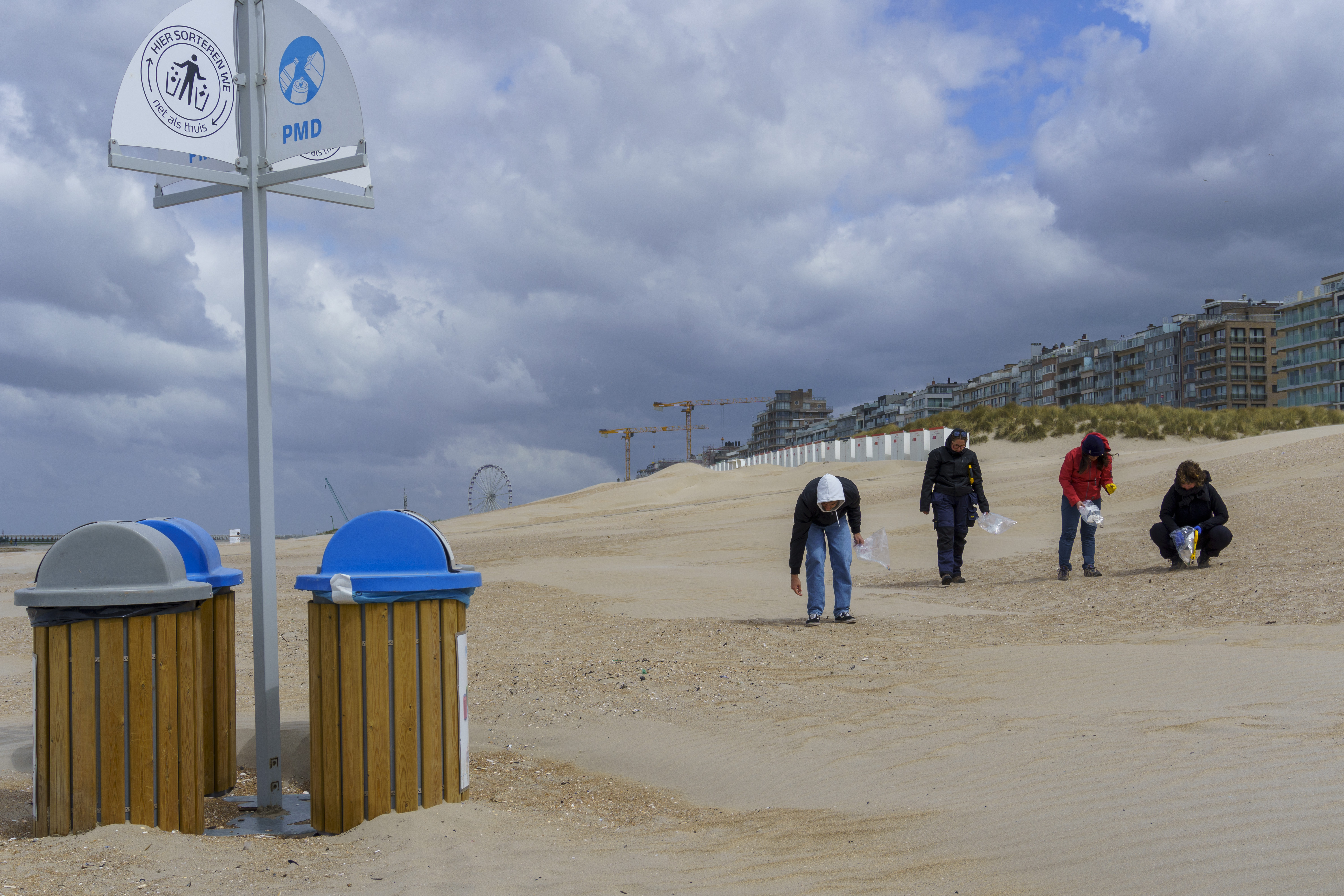
Name of the Living Lab | Living Lab France – French Ports and Rivers |
Country / Region | France / Coastal areas of the English Channel and the North Sea, extending from the French-Belgian border to the southern border of the Brittany region |
Coordinating Organization | Nausicaá (Centre National de la Mer) |
Further Project Partners | Cerema (Centre d'études et d'expertise sur les risques, l'environnement, la mobilité et l'aménagement) Cedre (Centrede documentation, de recherche et d’experimentations sur les pollutions accidentelles des eaux) ULCO (Université du Littoral Côte d’Opale) / ISML (Institut des Sciences de la Mer et du Littoral) |
Short Description | The French Living Lab focuses on the interface between inland waters, rivers, and ports along the coast from the Channel to Brittany. Its primary objective is to reduce plastic outflow through an integrated, science-supported, and cross-sectoral strategy. Special emphasis is placed on characterizing port waste and analyzing transport pathways for floating plastics in rivers and estuaries, and promoting behaviour change. |
Initial Situation / Challenge | Ports and river systems are critical entry points for plastics into the North Sea, yet there is a lack of precise data on the composition, sources, and dynamics of this pollution. Industrial usage, tourism, and flood events further complicate waste management, as plastics deposited on riverbanks can be remobilized during high water. |
Goals of the Living Lab |
|
Measures and Tested Solutions |
|
Local Stakeholder Involvement | Key actors include harbor authorities, municipalities (e.g., Boulogne, Calais, Dunkirk, Cherbourg), water agencies, environmental authorities, NGOs, schools, and port operators. A "Plastic Pollution Education Pack" was developed and successfully tested with school classes in Boulogne-sur-Mer. The lab reached over 160 direct participants through events like the "Researchers’ Night". A series of co-creation workshops were organized to involve local stakeholders in the TREASURE framework. |
Timeline |
|
Expected Impact | The Living Lab establishes a robust knowledge base on plastic pathways to support evidence-based management decisions. Long-term, transferable best practices and technical solutions aim to significantly reduce plastic outflow and strengthen public environmental consciousness. |
Key Facts | Water Bodies: The rivers Liane and Slack, the Seine estuary, and various harbors including Boulogne-sur-Mer, Le Havre, and Brest Special Feature: A unique combination of high-tech research, such as hyperspectral drone sensing, and broad public outreach and stakeholder engagement along an extensive coastline |